

Juzear Light Shuttle Earphones Review
Mark Ryan, best known as the owner of the Super* Review channel and the operator of SquigLink, contributed to the tuning of the Light Shuttle. Although the Light Shuttle were not tuned specifically to Mark’s personal preferences, Juzear did consult him during the development of this model’s sound signature.
Was I eager to hear how they turned out? Absolutely.
Today we are taking a look at the 7-driver Juzear Light Shuttle in-ear monitors, priced at $185. In Russia they are available for around ₽15,000 on major marketplaces.
And I would like to thank my reader Mikhail, who sent me these earphones. Once again, thank you very much, Mikhail!
All but the sound
The earphones come in a medium-sized cardboard box.
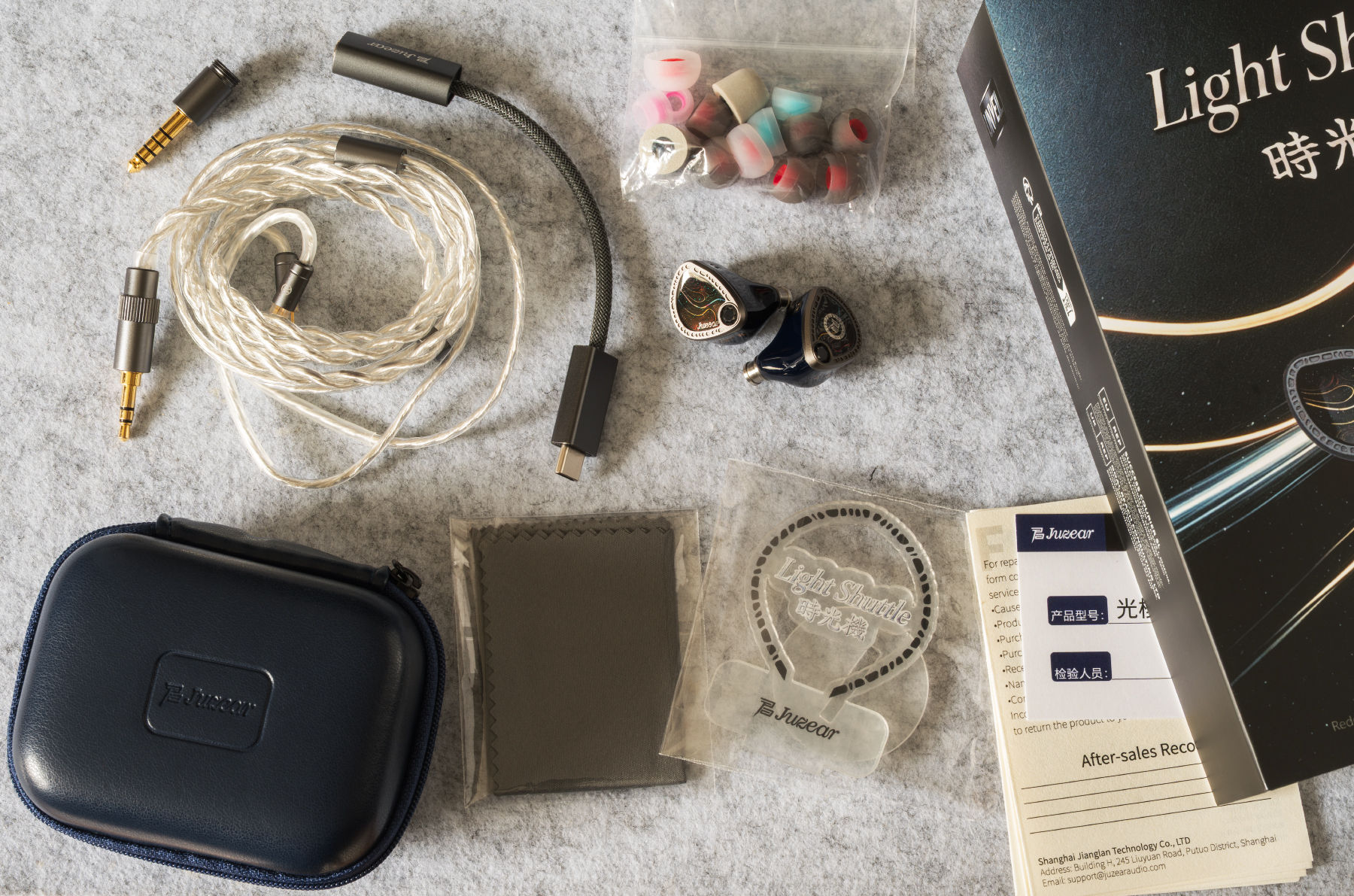
Inside the box, you’ll find:
- the earphones;
- a cable with interchangeable plugs;
- the portable Juzear JZ01 DAC;
- a carrying case;
- ear tips (7 pairs);
- a transparent branded desktop stand;
- a microfiber cloth;
- some papers.
A pretty respectable package overall. Judging by the photos on various retailer websites, the contents may vary from what is listed above. This is what was included with my review sample.
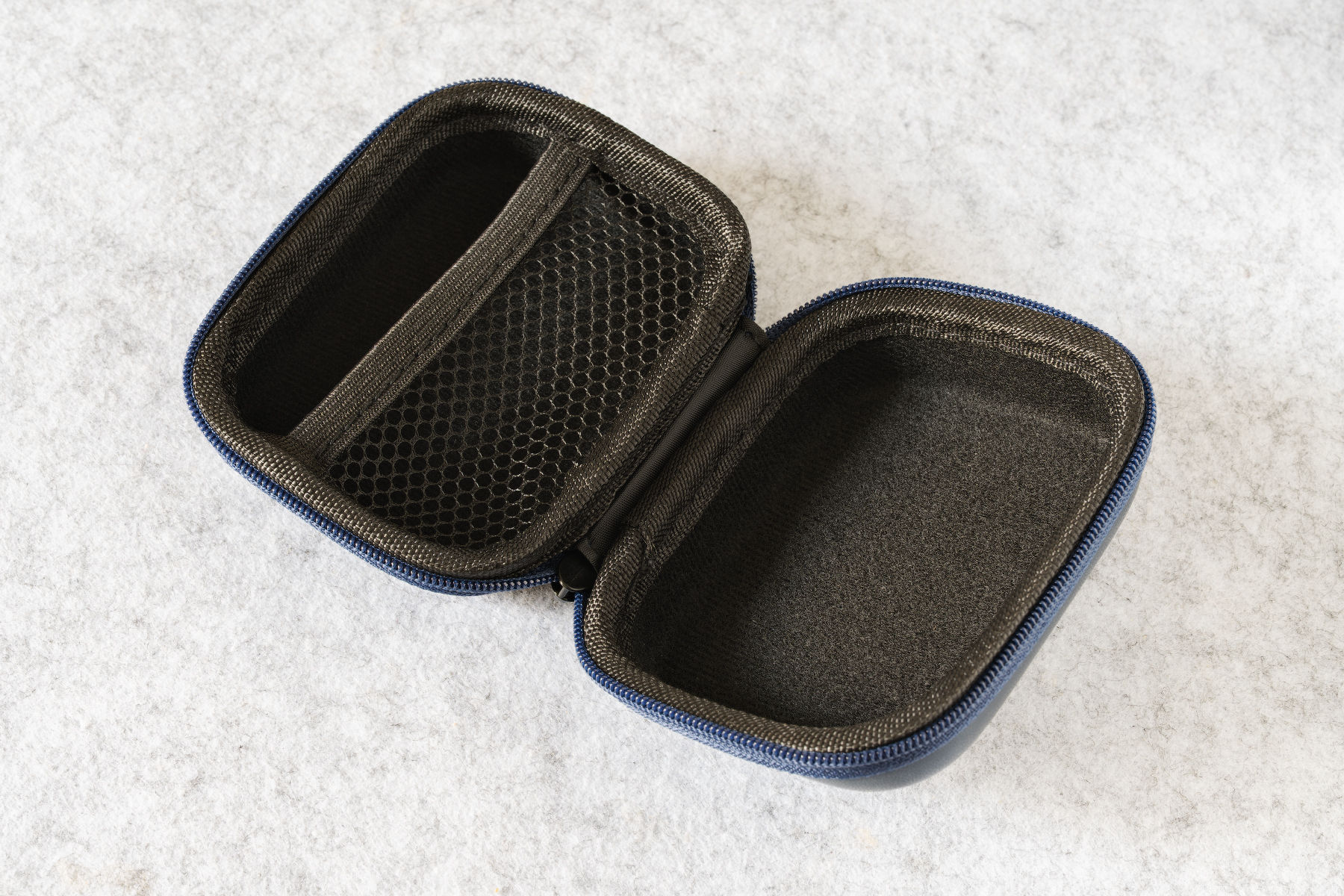
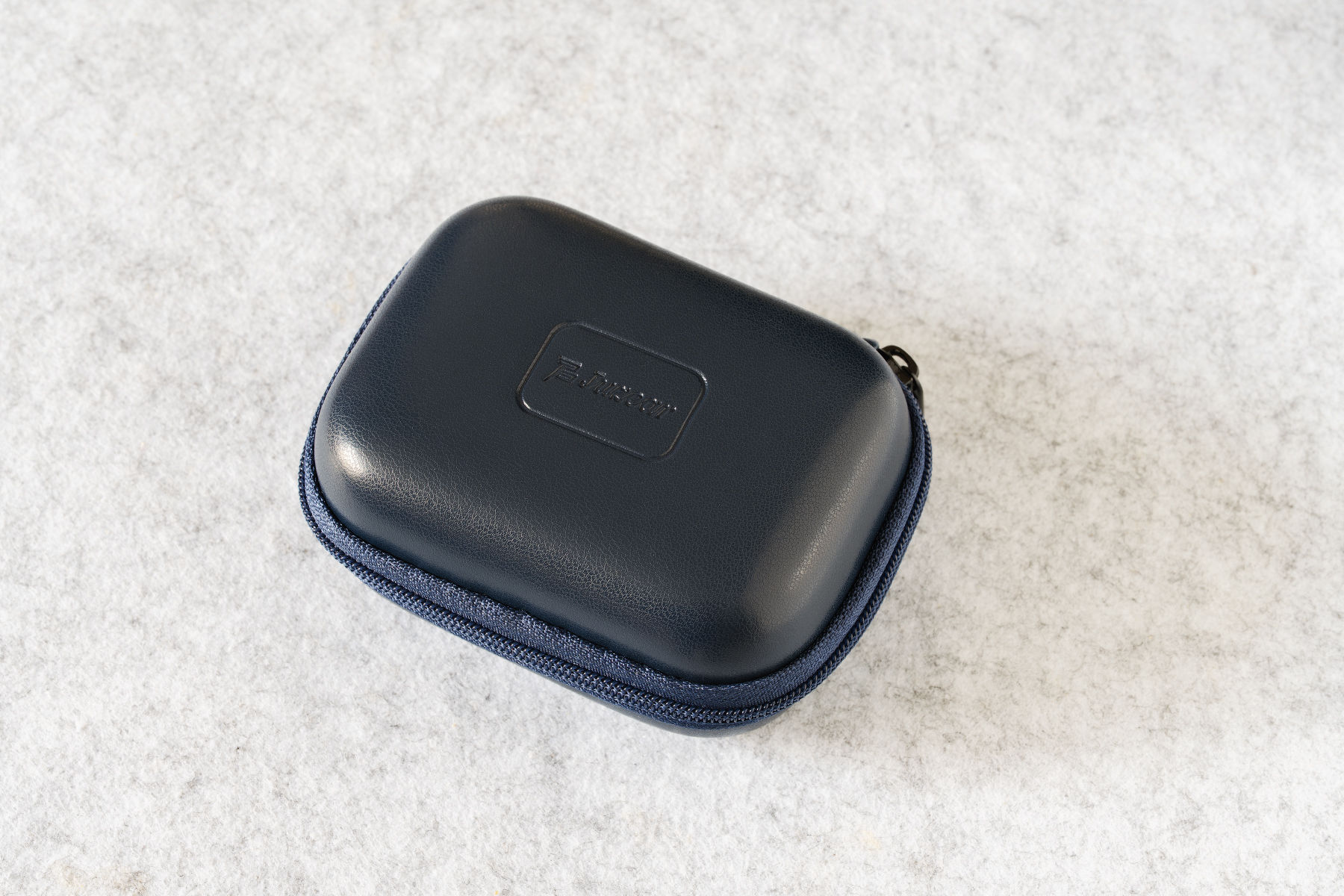
The case is simple and rigid with a single internal pocket.
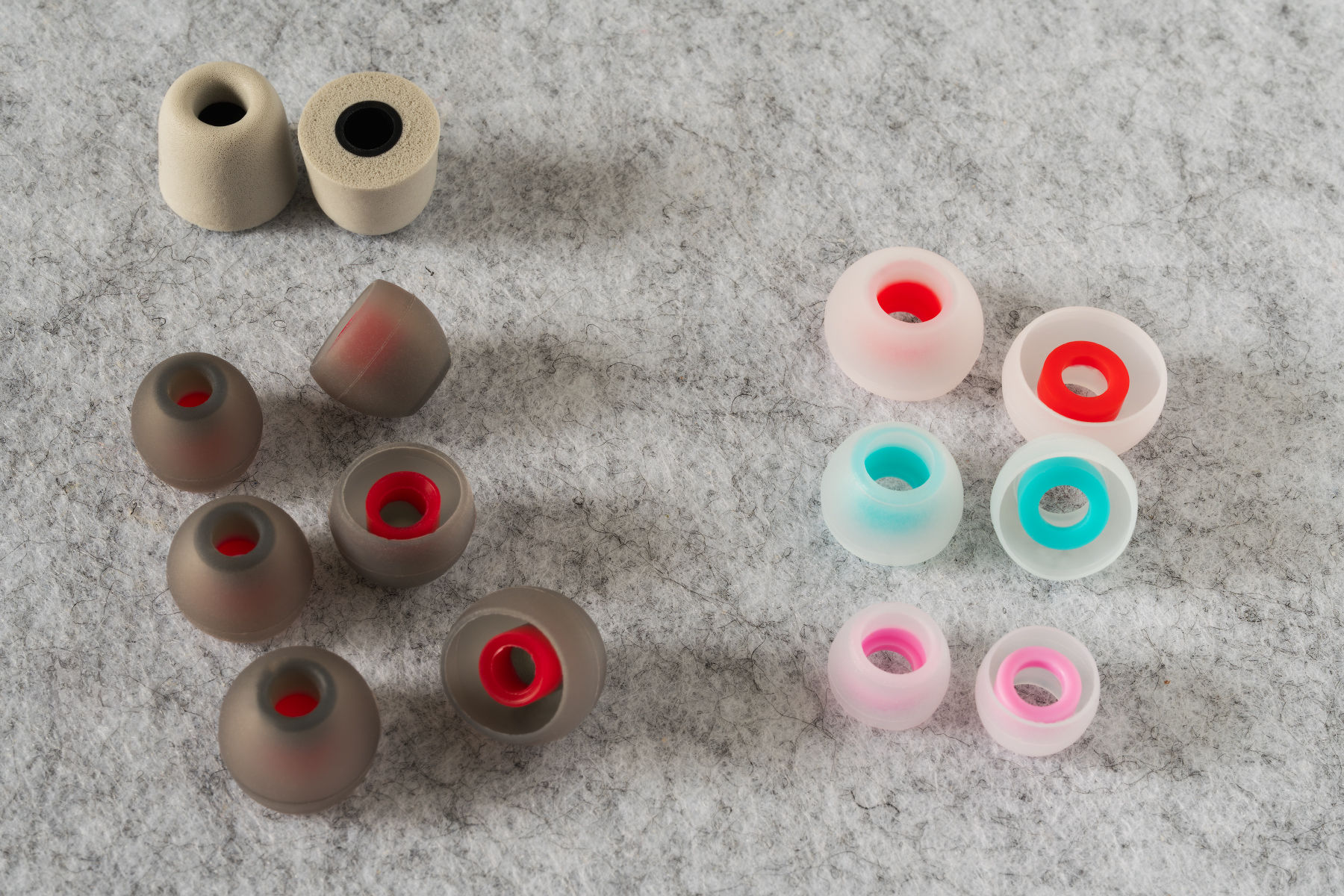
The package includes two sets of silicone tips, one with narrow bores and one with wide bores, as well as a pair of foam tips. They are decent stock tips: simple and versatile.
The cable is pleasant to use, soft, and equipped with interchangeable plugs. The connection is secured by a knurled threaded locking ring, which is easy to tighten. The left and right channels are clearly marked.
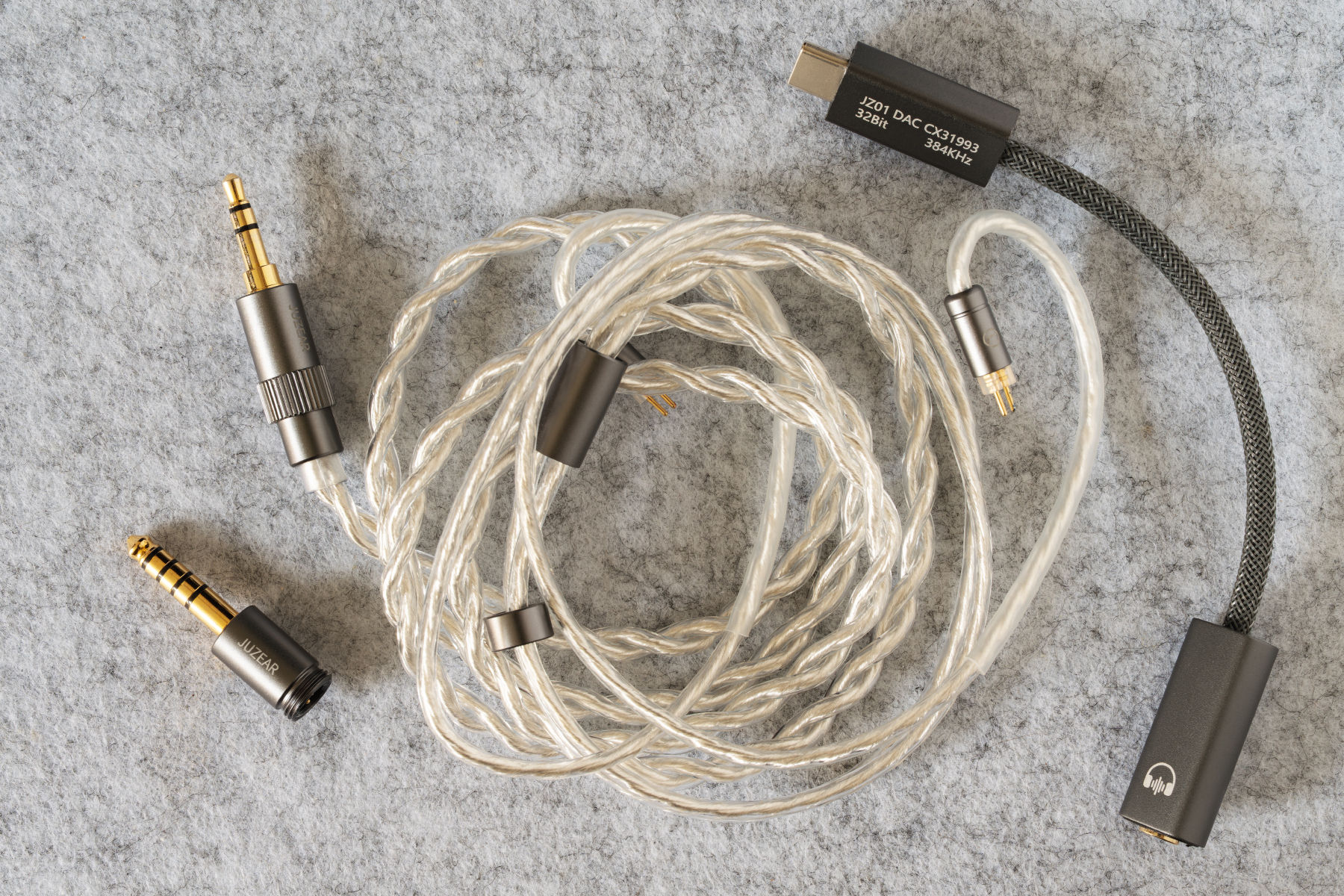
The JZ01 portable DAC is based on the Conexant CX31993 chipset, supporting PCM playback up to 32-bit / 384 kHz. Output power is approximately 65 mW at 16 Ω. It works flawlessly with Android smartphones and Windows 11 PCs without requiring any additional drivers.

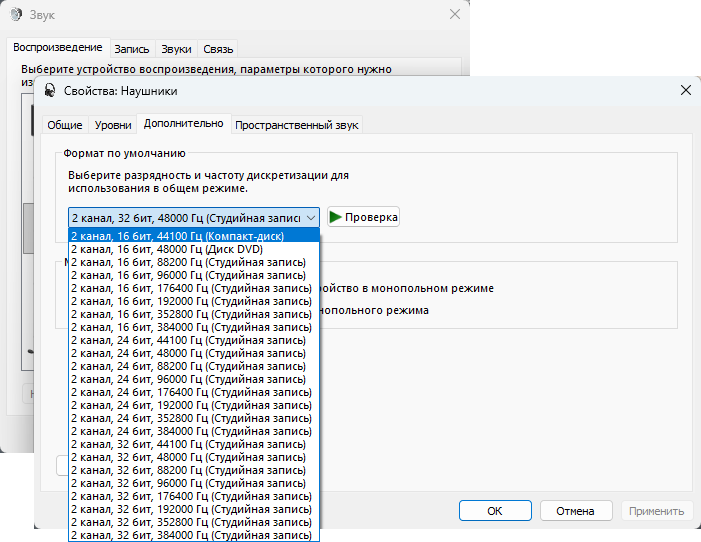
The WalkPlay app does not support this DAC.
The earphones themselves feature hollow shells made of dark-blue UV-cured resin. A generously sized pressure-relief vent is located on the rear side of each shell.
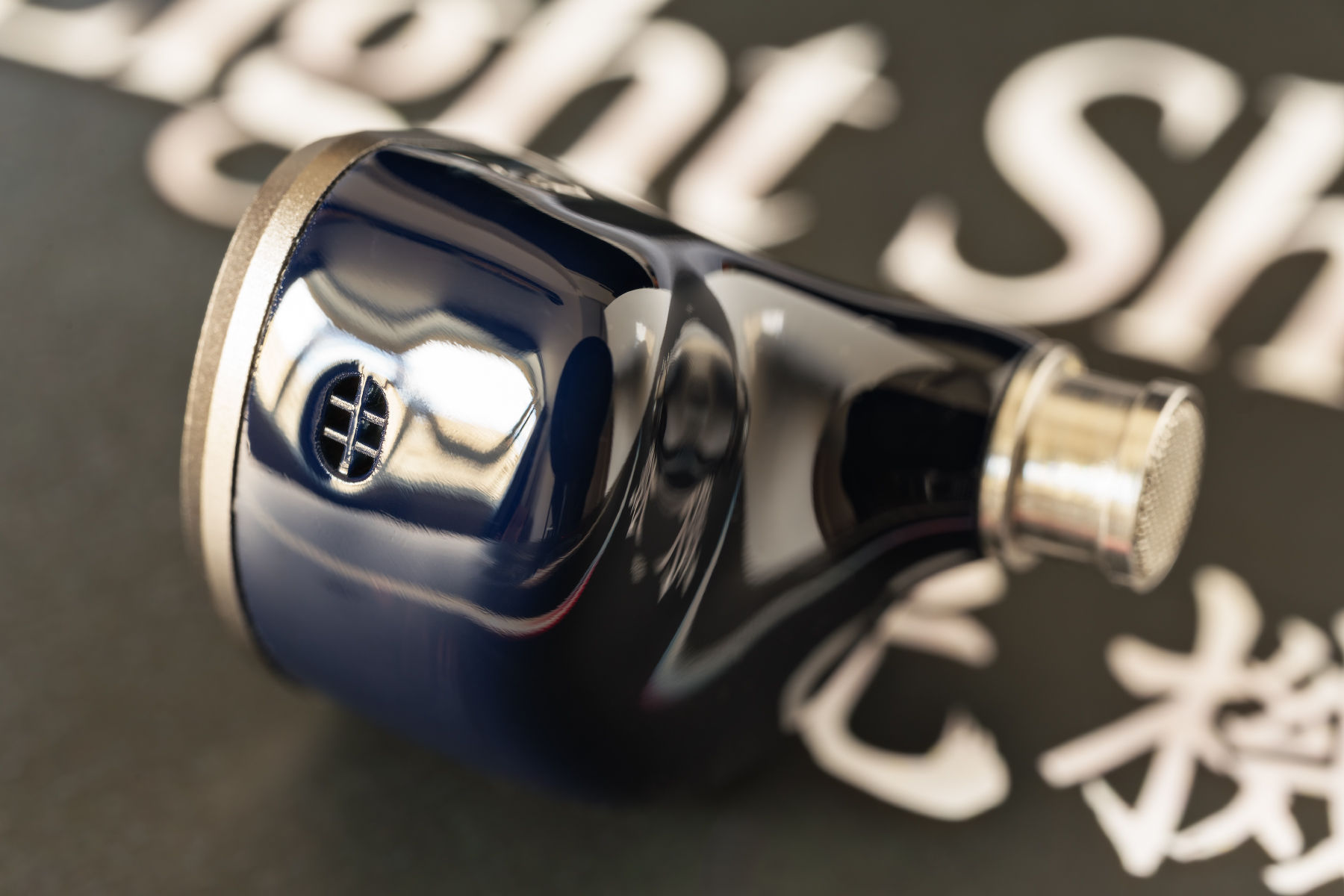
The connector socket sits flush with the shell surface.
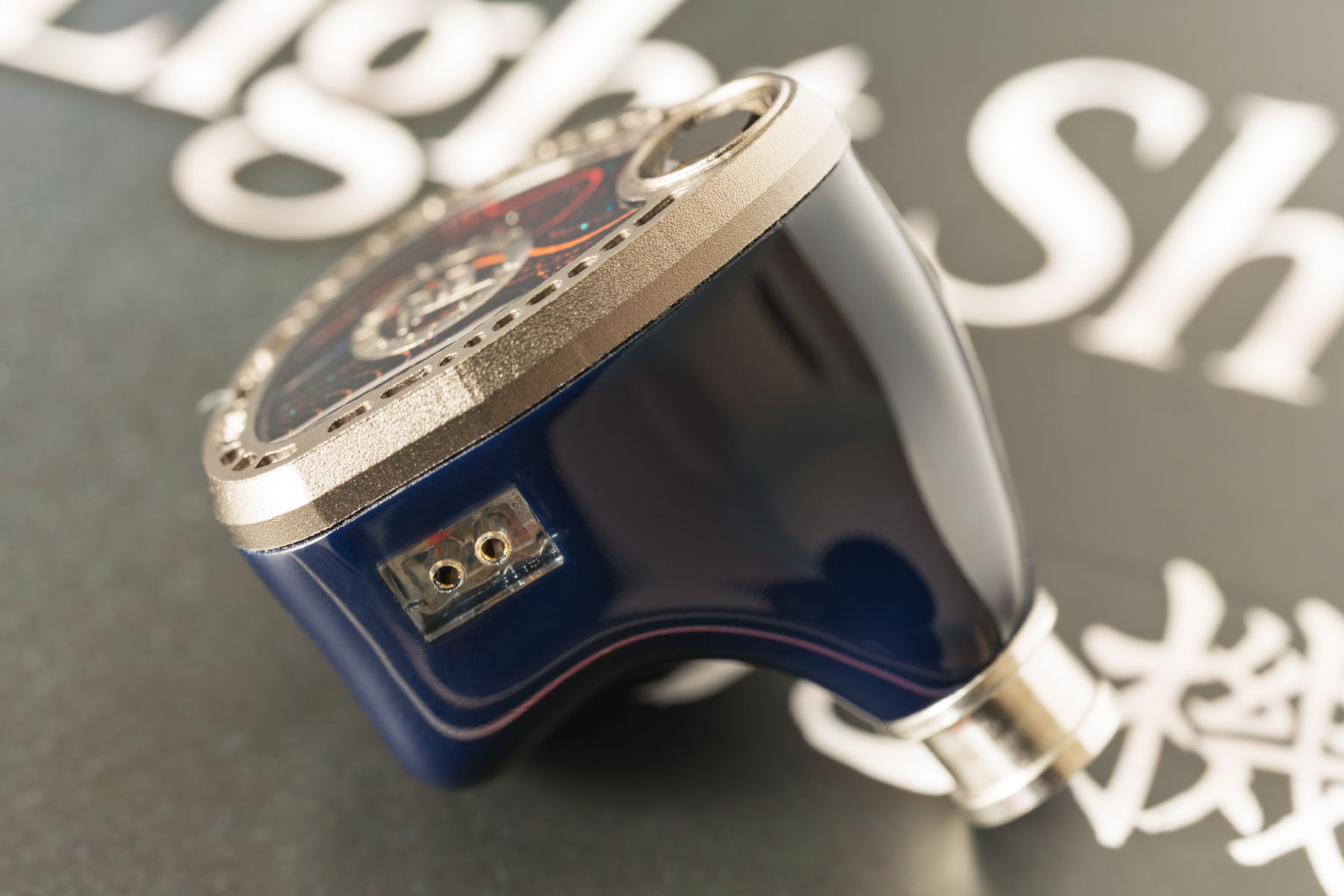
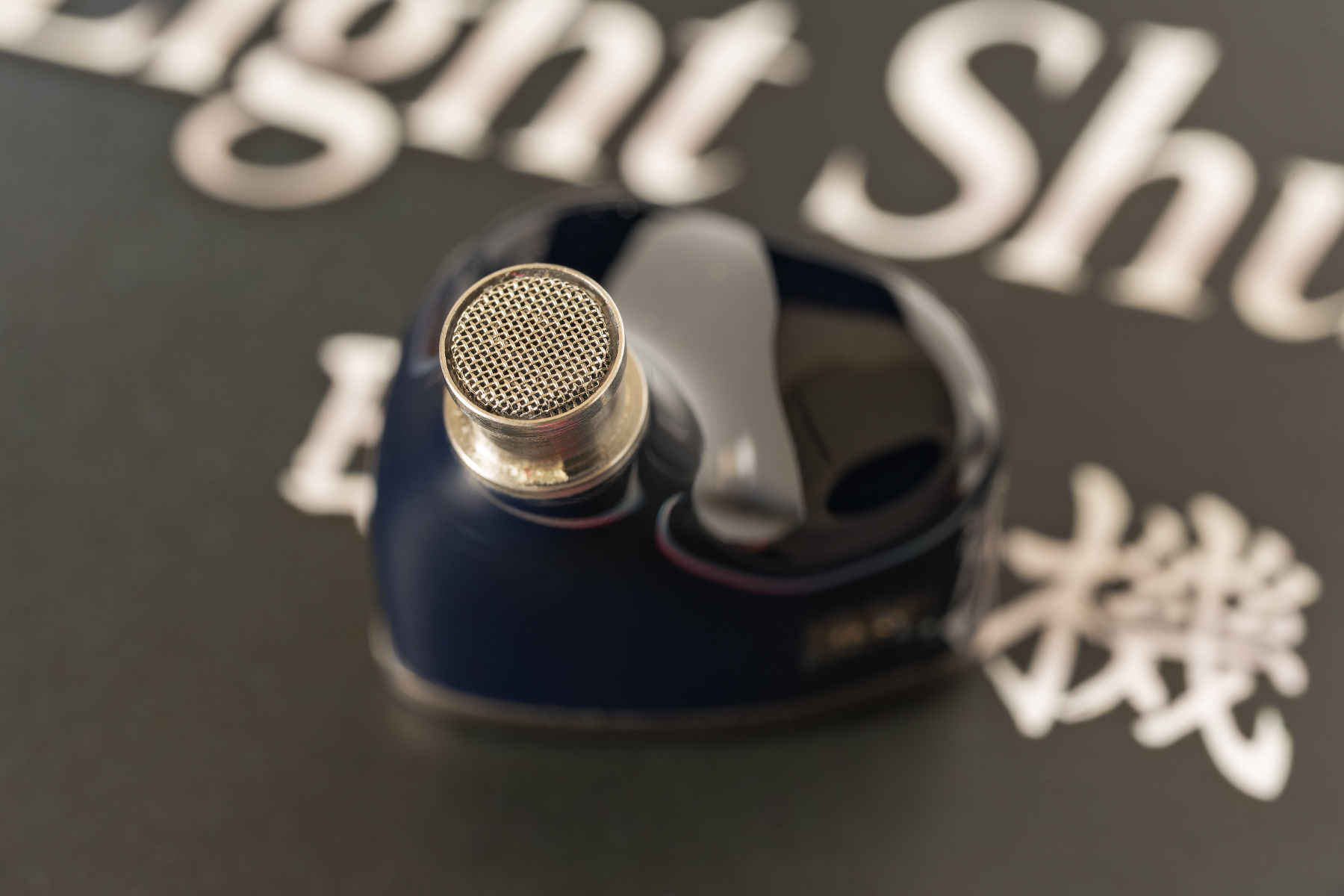
The nozzle meshes have an unusual convex geometry.
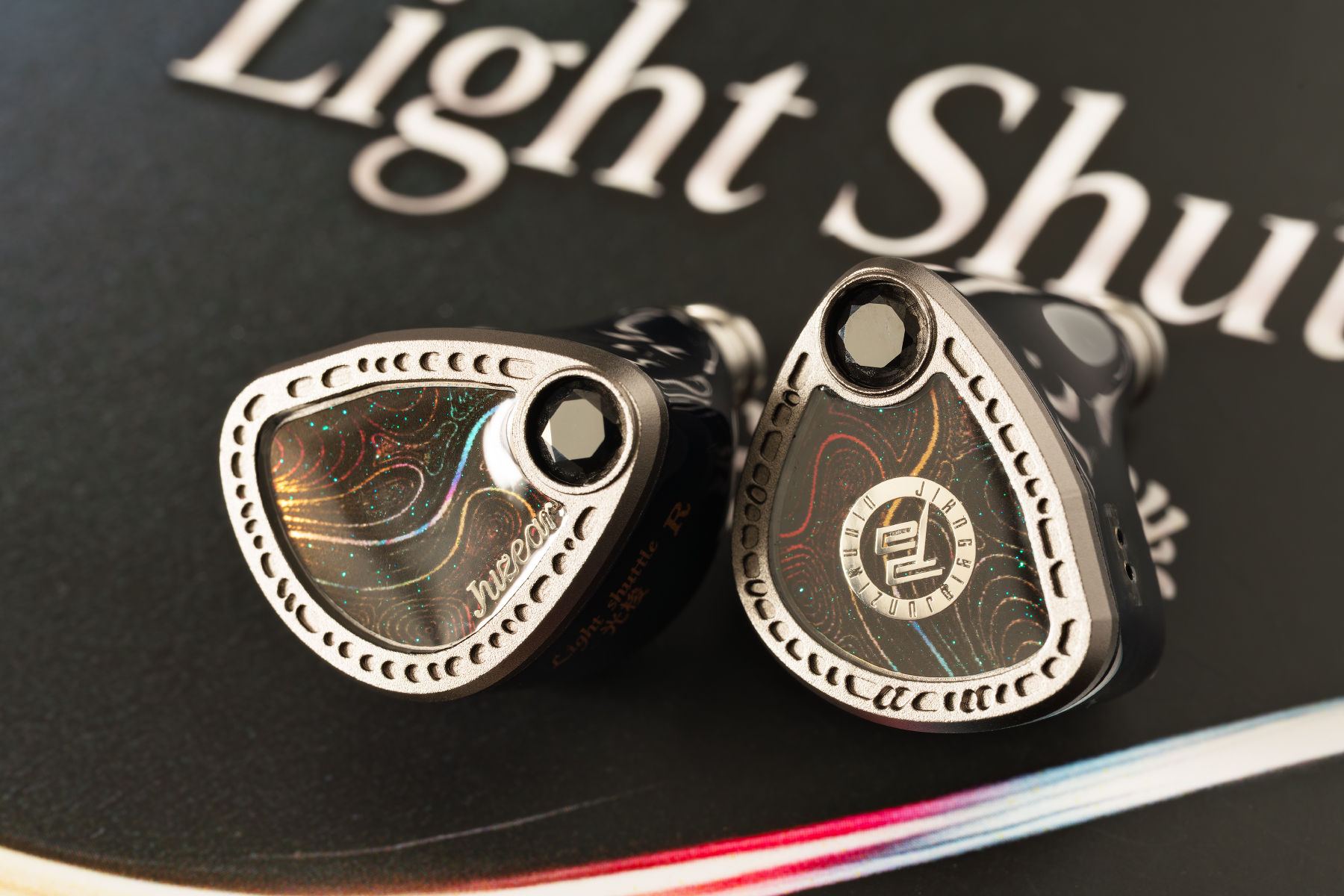
The faceplates are rather elaborate in their decoration: a transparent outer layer covers an iridescent reflective surface, framed by an aluminum insert with laser engraving. In one corner sits a synthetic gemstone, cubic zirconia.
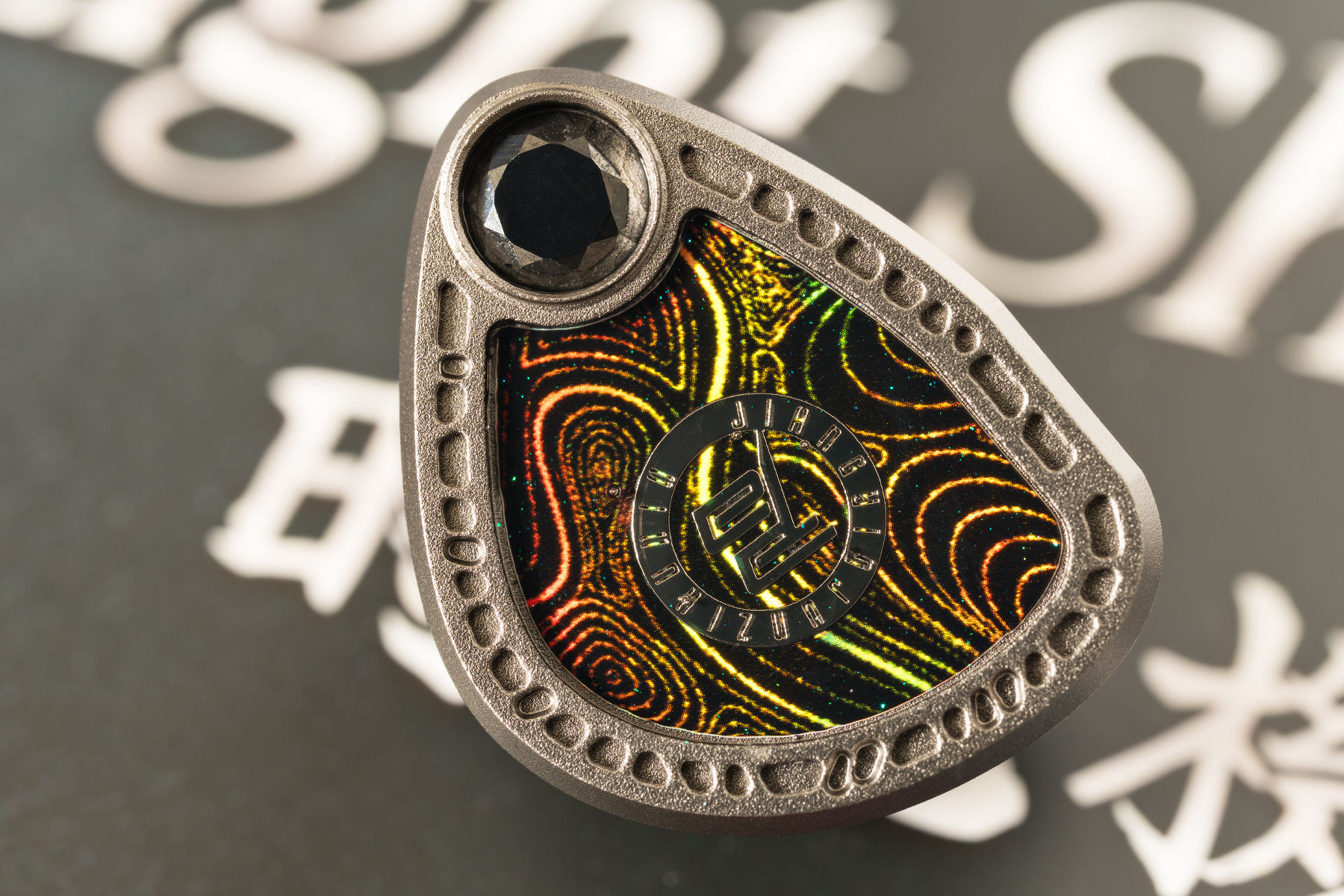
And in the case of the Light Shuttle, I’d like to comment on the design. The finely textured aluminum frame clashes with the dust-like glitter trapped beneath the simple plastic covering in the center section. Then there’s the cubic zirconia, surrounded by narrow crevices that tend to collect dust. I understand the concept here: space, light, stars, and galaxies. But in my view, Juzear went a little too far with the decorative elements. There are simply too many materials, colors, and textures competing for attention. As a result, the earphones come across as a flashy trinket that’s trying a bit too hard to look more expensive than it actually is.
When it comes to ergonomics, I have no complaints. The shell shape is universally comfortable, the nozzle angle is well judged, and the nozzle dimensions are practical: 6.2 mm at the wider section and 5.8 mm at the narrower section. The metal nozzle section is 4.4 mm long. In other words, there are virtually no physical limitations when it comes to experimenting with different ear tips.
Electrical specifications: Juzear rates the Light Shuttle at 113 ±1 dB SPL/mW sensitivity and 32 Ω impedance. Here’s what I measured:
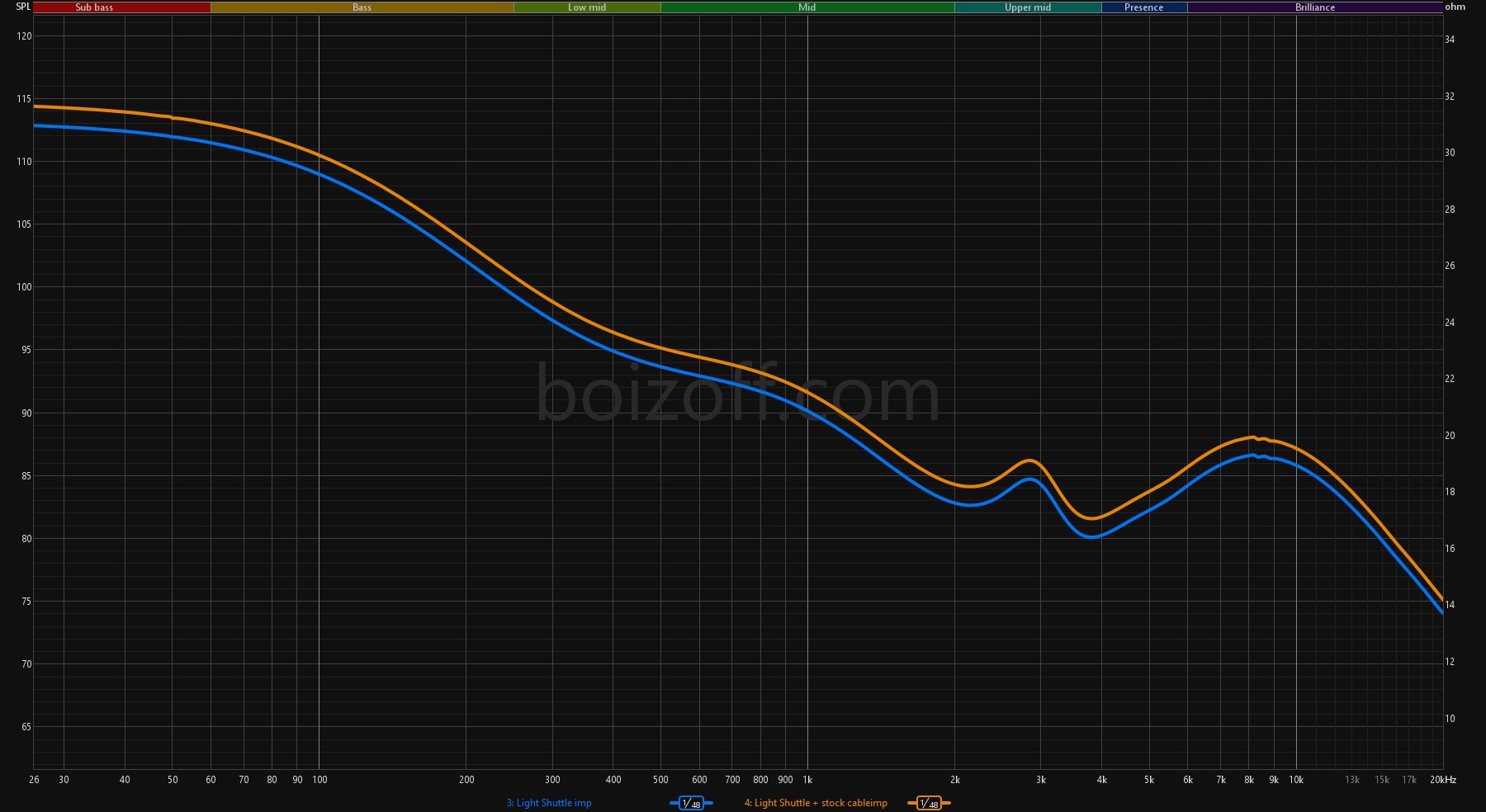
At 1,000 Hz, the earphones themselves are at 22 Ω, with the cable adding another 0.7 Ω. Across the entire frequency range, impedance varies from 31 Ω to 13.5 Ω.
About Sound
Standard links:
- the description of my rig is here;
- the audiogram of my hearing is here;
- articles on measurement theory and the whole shebang are here.
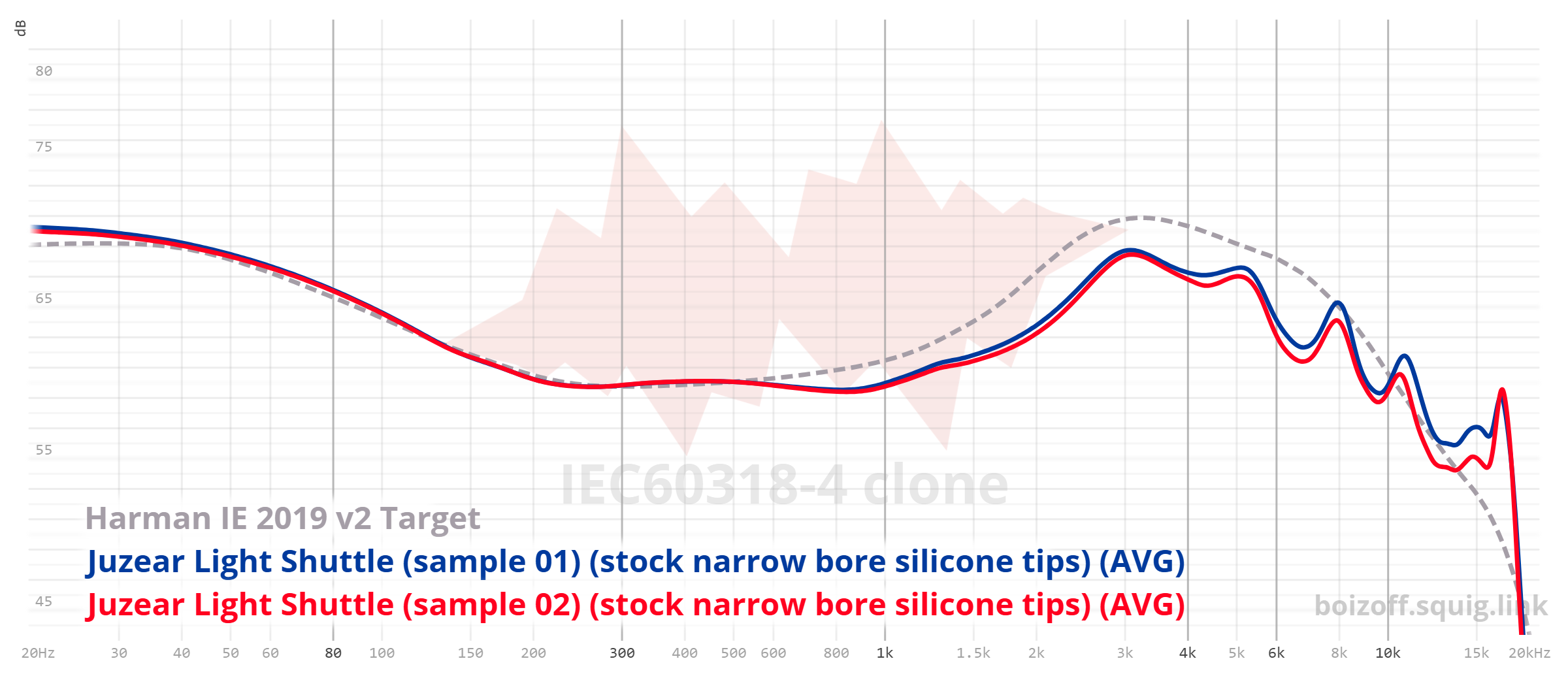
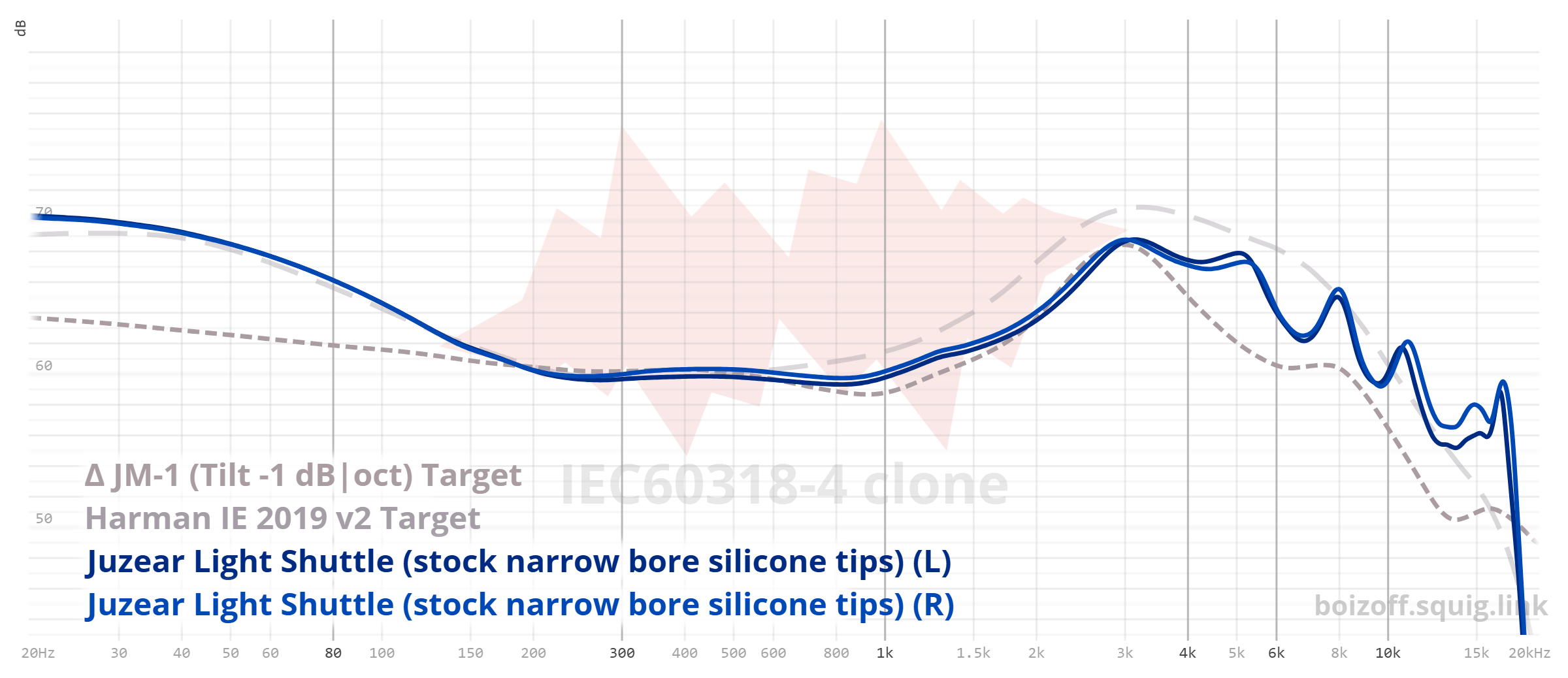
Frequency response of the Juzear Light Shuttle with the stock narrow-bore silicone ear tips, with the second resonance at 8 kHz:
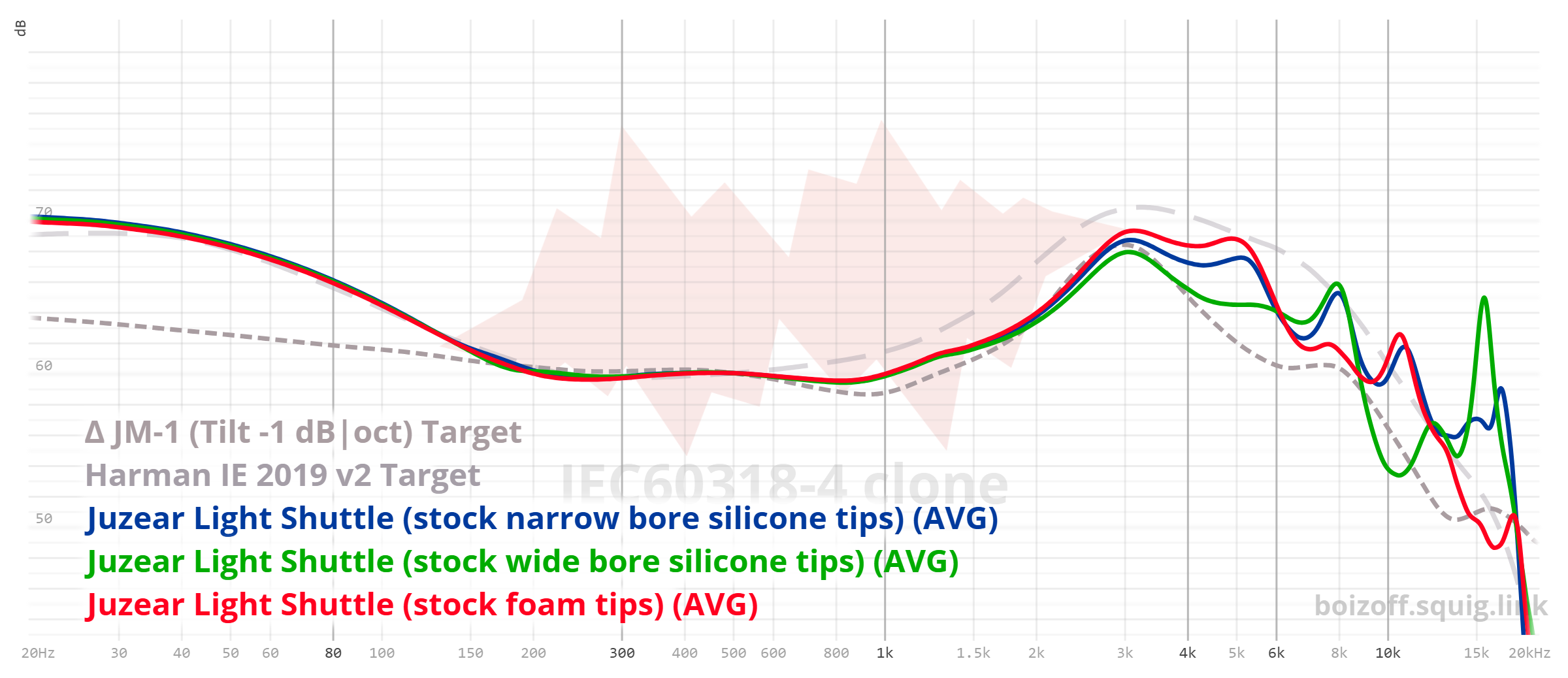
Frequency response of the Juzear Light Shuttle with the stock foam tips and wide-bore silicone ear tips, with the second resonance at 8 kHz:
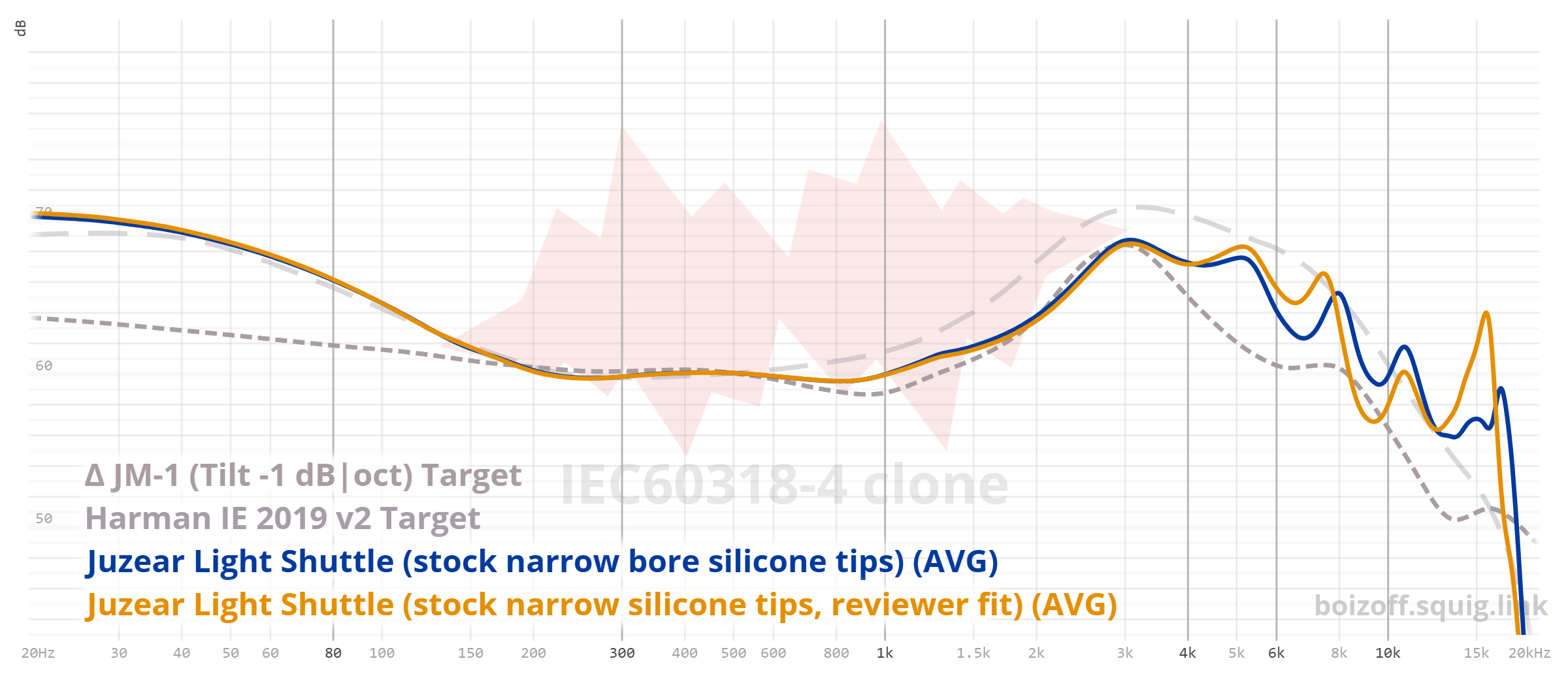
Frequency response of the Juzear Light Shuttle with the stock narrow-bore silicone ear tips, with the second resonance at 7,560 Hz, as I hear it:
What do we see?
- The overall presentation can be broadly described as “Harman bass + meta mids + hybrid treble.”
- The treble response is highly dependent on both the choice of ear tips and insertion depth.
Nonlinear distortion at 94 dB with the ‘Use harmonic frequency as ref’ option turned off and on:
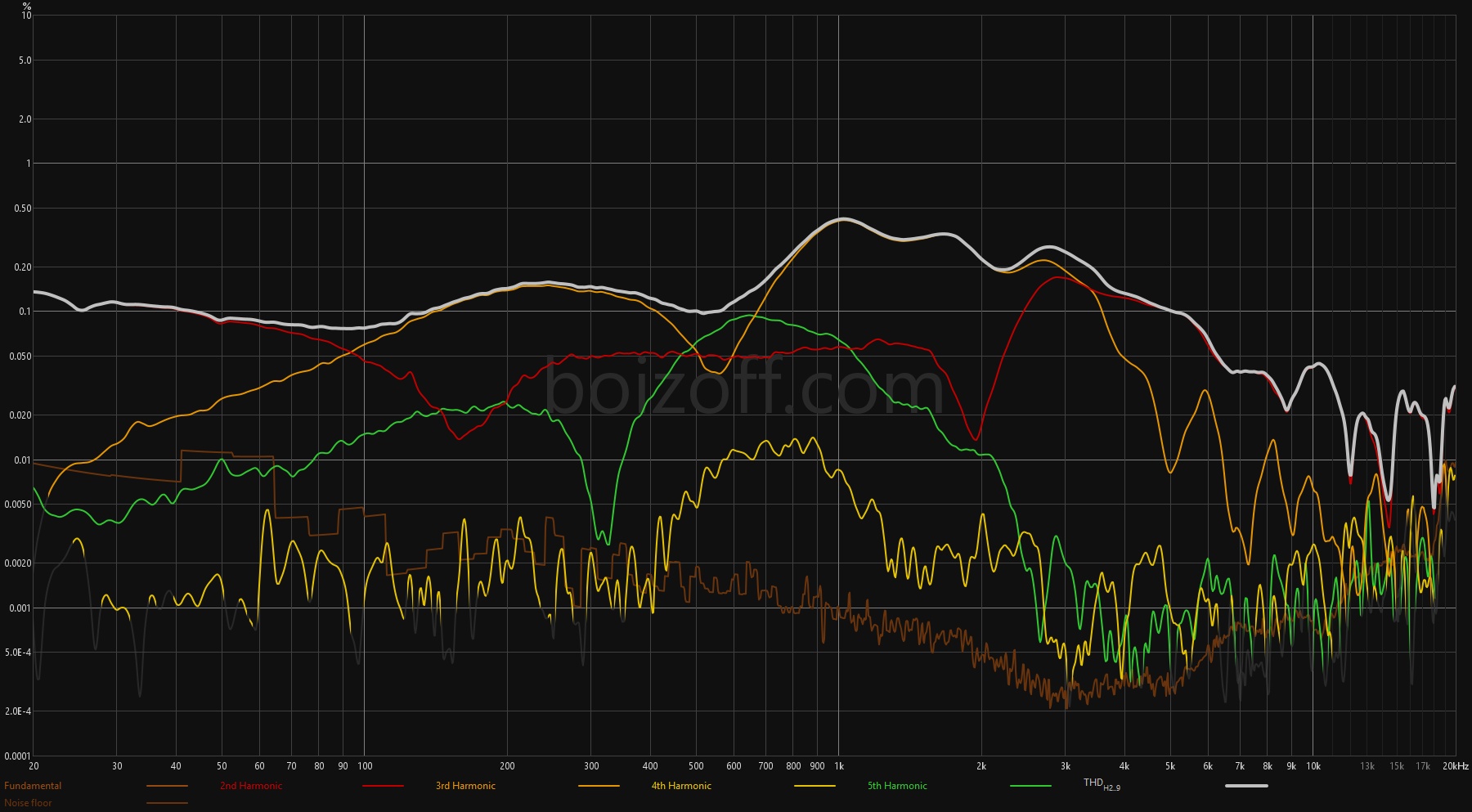
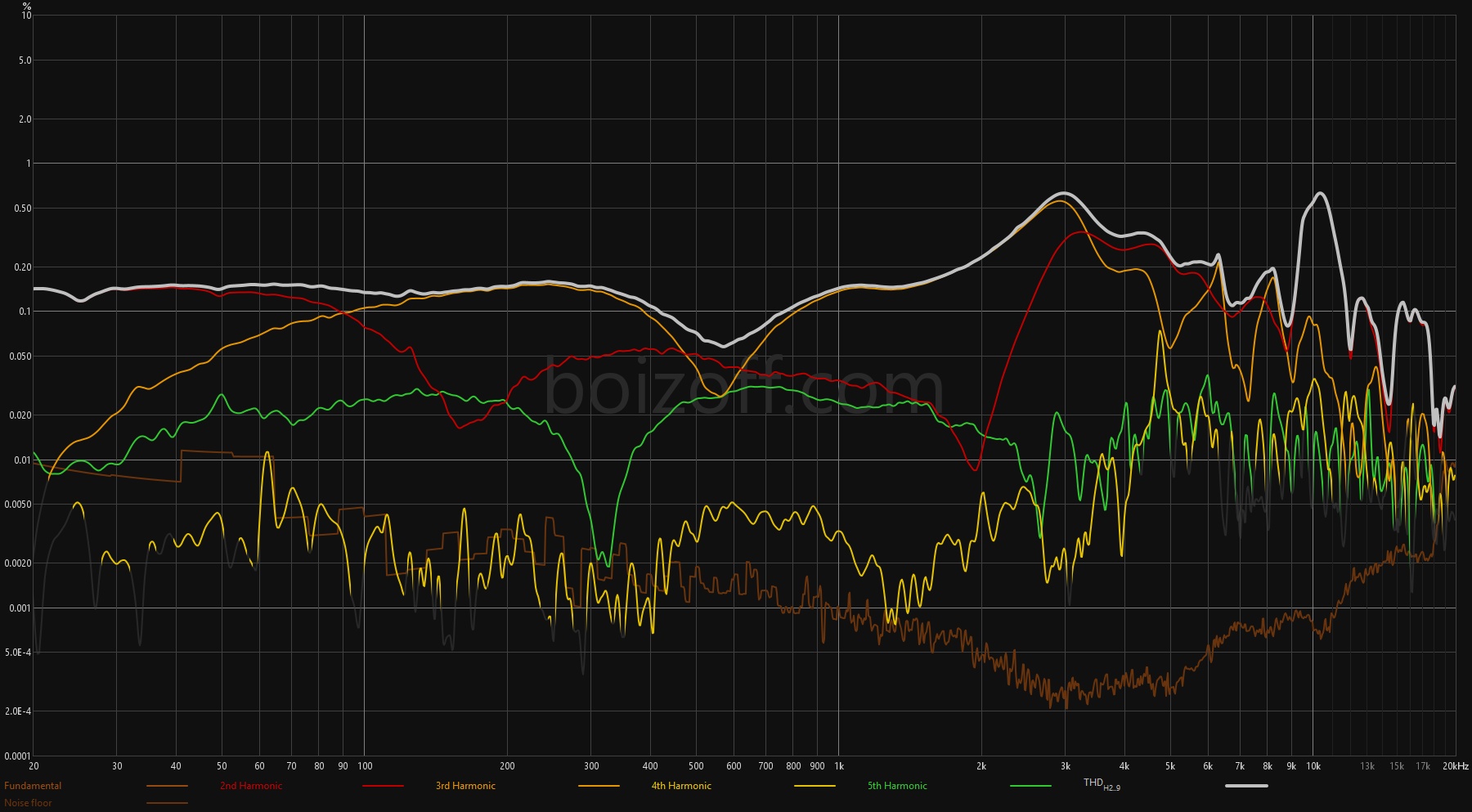
At 94 dB, distortion never exceeds 0.63%.
Nonlinear distortion at 104 dB with the ‘Use harmonic frequency as ref’ option turned off and on:
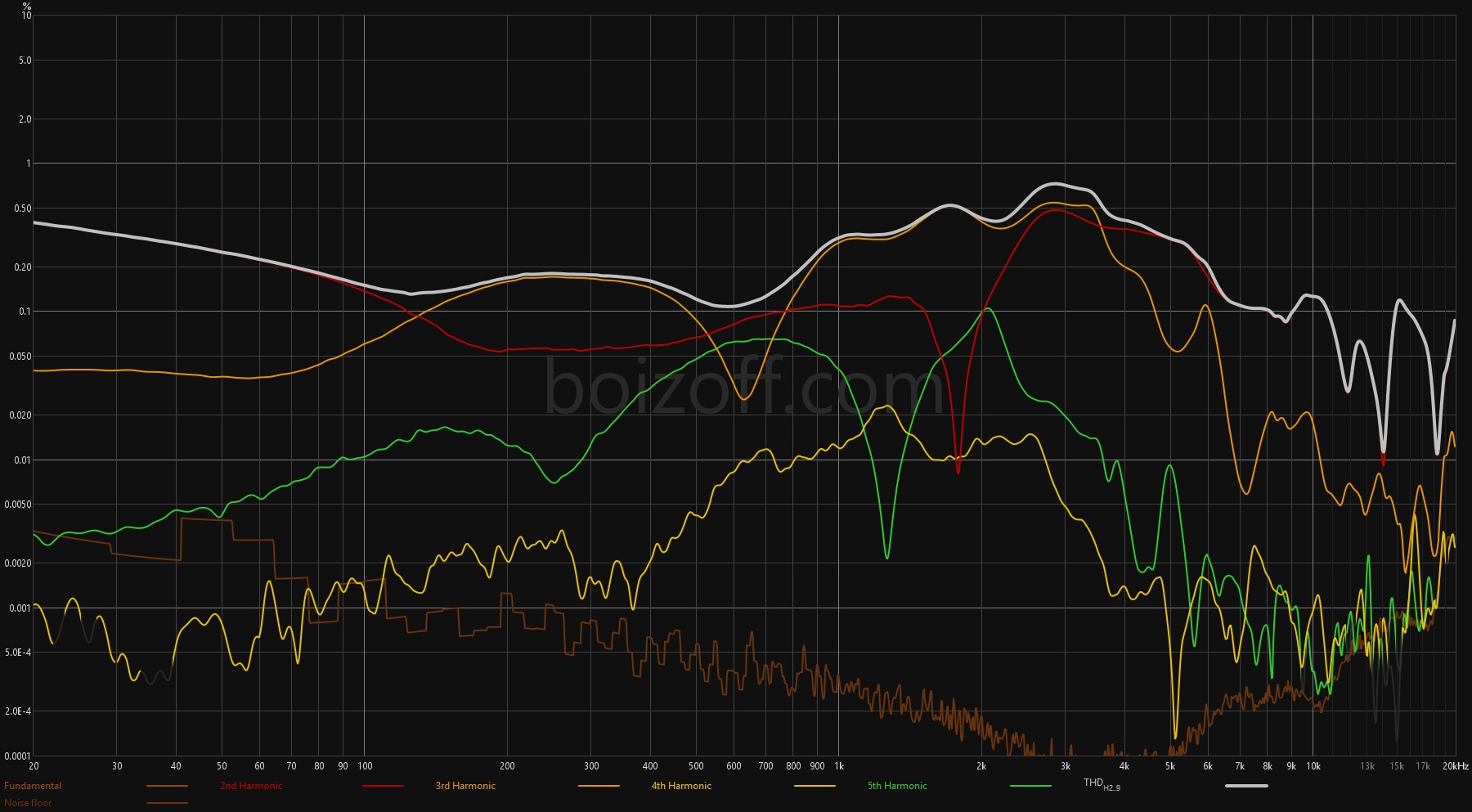
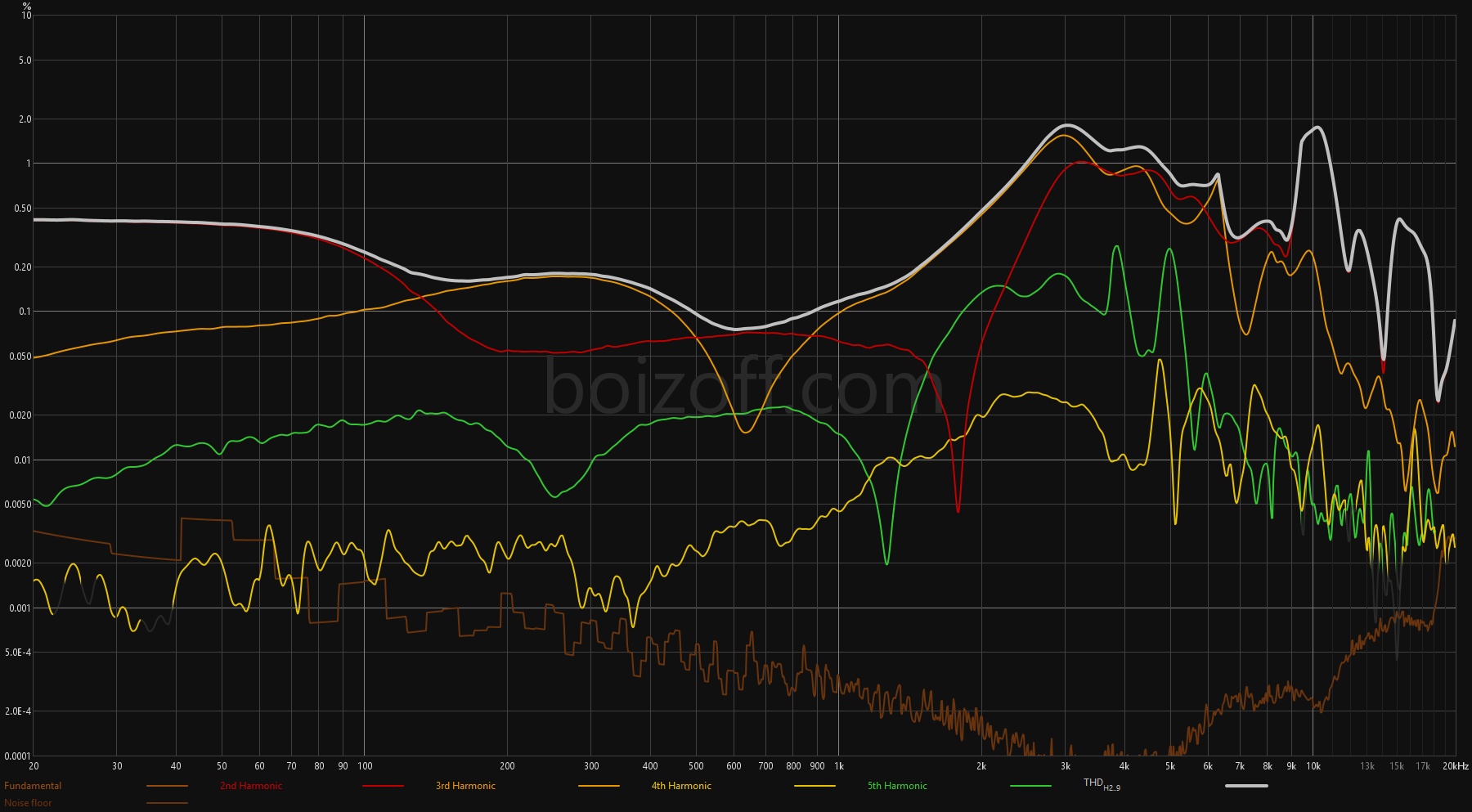
Here distortion reaches 1.8% around 3 kHz and 10 kHz. That’s a perfectly acceptable result for this price category, although not among the very best overall. It’s worth remembering that nobody actually listens to music at 104 dB; that’s an absurdly high listening level used primarily to evaluate an earphone’s EQ headroom and behavior under extreme conditions.
Minimum phase response, group delay, and spectrogram in the ‘Burst decay’ mode:
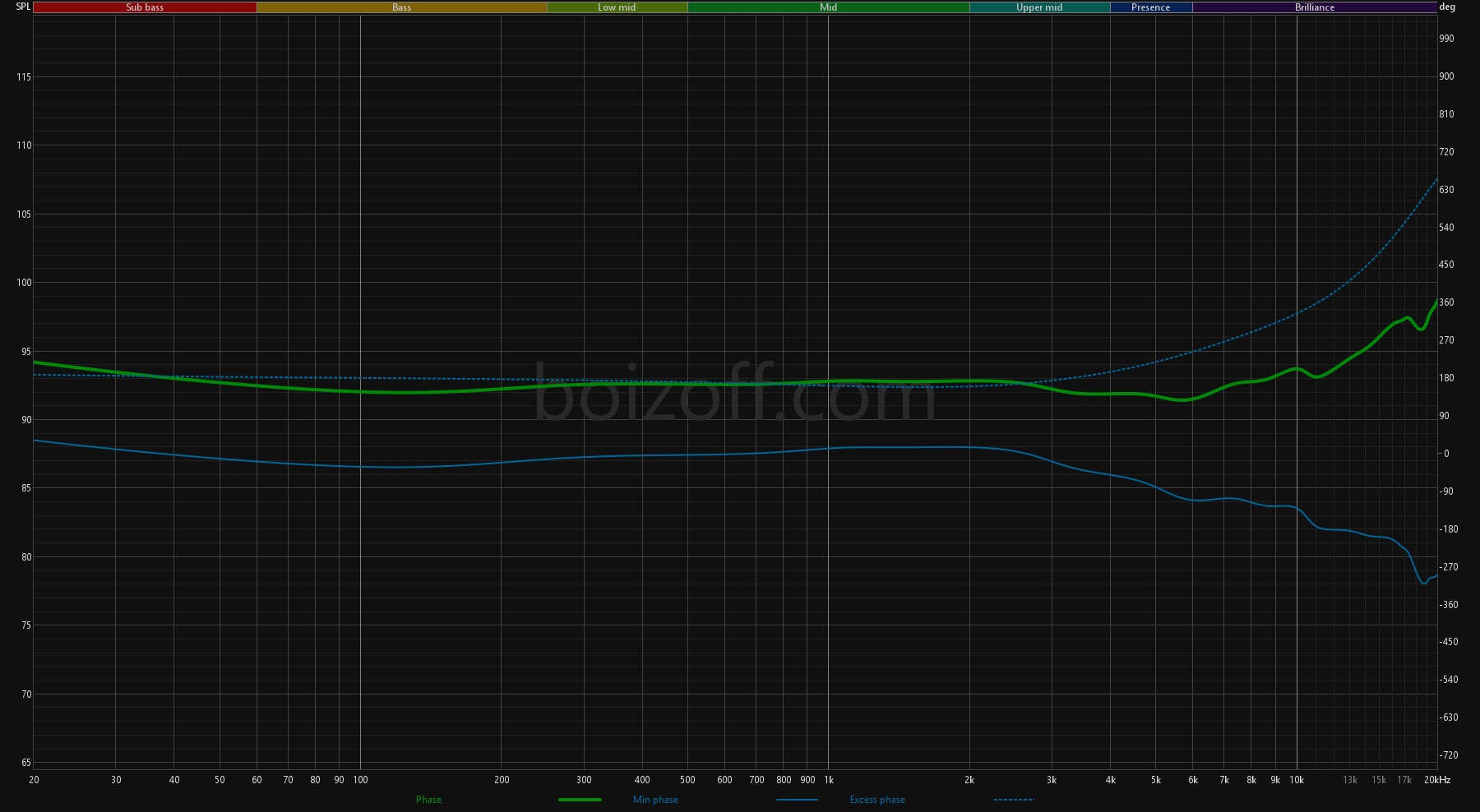
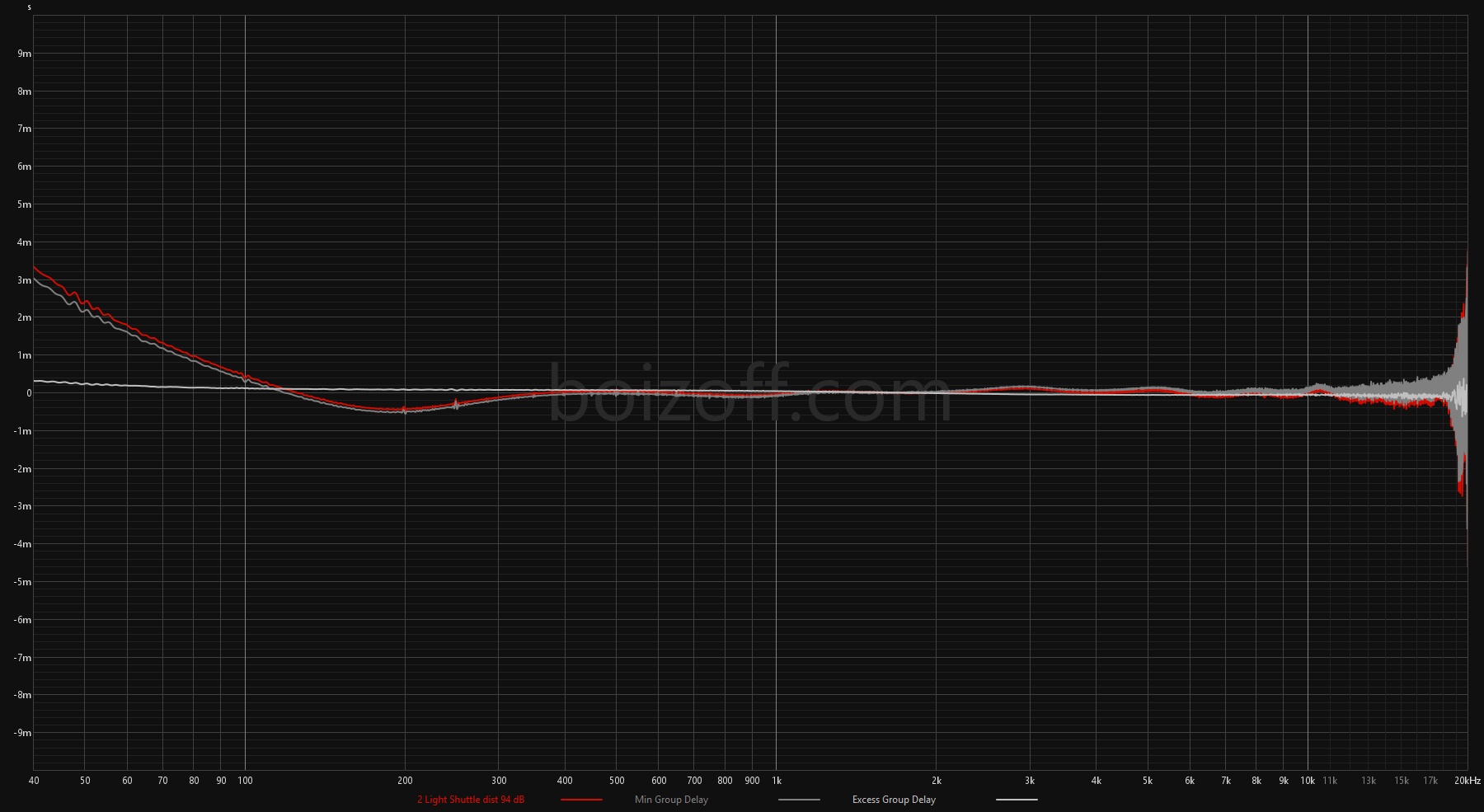
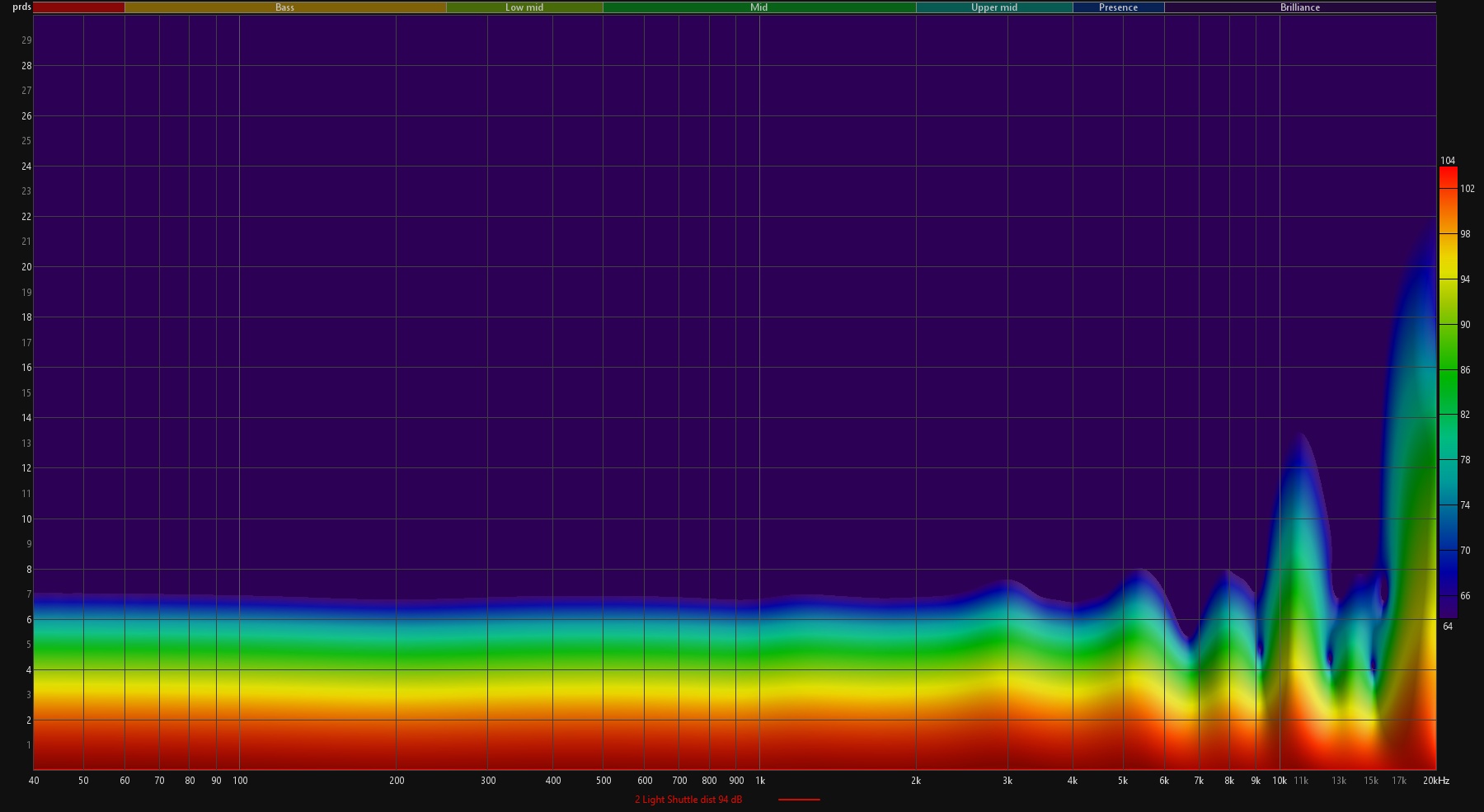
Everything looks excellent here.
Subjective impressions. When I first put the Light Shuttle in my ears, I wasn’t particularly impressed. The sound was somehow both boomy and brittle at the same time. The reason was simple: I was using TRI Clarion tips and ended up with a relatively shallow fit. What I heard corresponded to the yellow curve shown above, with a massive peak on the far right side of the audible frequency range. Later, as I continued experimenting with different tips, I eventually settled on SIRINLABS Tips-A Pro. At that point the sound became much more comprehensible and natural, resembling the blue curve shown above. The fit had become significantly deeper.
What we have here is a solid variation of the meta tuning approach, featuring emphasized sub-bass and elevated ultra-high frequencies. The 3-8 kHz range sits in a neutral position somewhere between the Harman target and Δ JM-1 (-10 dB tilt). This range is neither overly bright nor recessed. At first glance, you’d expect these earphones to sound somewhat warm, but that’s not really the case. The powerful sub-bass is balanced by a tasteful emphasis in the very top highs above 10 kHz.
The Light Shuttle attempt to maintain a delicate balance between accuracy and excitement of the sound, and for the most part they succeed. The only difficult question is the amount of sub-bass. The lowest frequencies sit 2 dB above the level of the second resonance, whereas according to the Harman target they should actually fall about 1.5 dB below it. As a result, the tuning works beautifully with some tracks, such as “Zero Gravity” (Contemporary Noise Ensemble), “Sweet Knife” (Nightstalker), and “Confession” (Sleep Dealer), making the music more engaging and immersive. With other tracks, such as “Cat People” (Cujo), “Serotonia” (Highly Suspect), and “Within My Hands” (Zetsubou P), the low frequencies start to become genuinely intrusive and fatiguing.
It’s worth noting that, according to the manufacturer, one of the Light Shuttle’s strengths is vocal reproduction. Given that, I’m not entirely sure why Juzear decided to give them such overwhelming low-end presence.
One thing the Light Shuttle undeniably excel at, and something that is entirely expected from a tuning like this, is soundstage reproduction. The earphones create an impressively precise and expansive virtual stage. In this regard, everything is exactly as it should be.
Comparisons
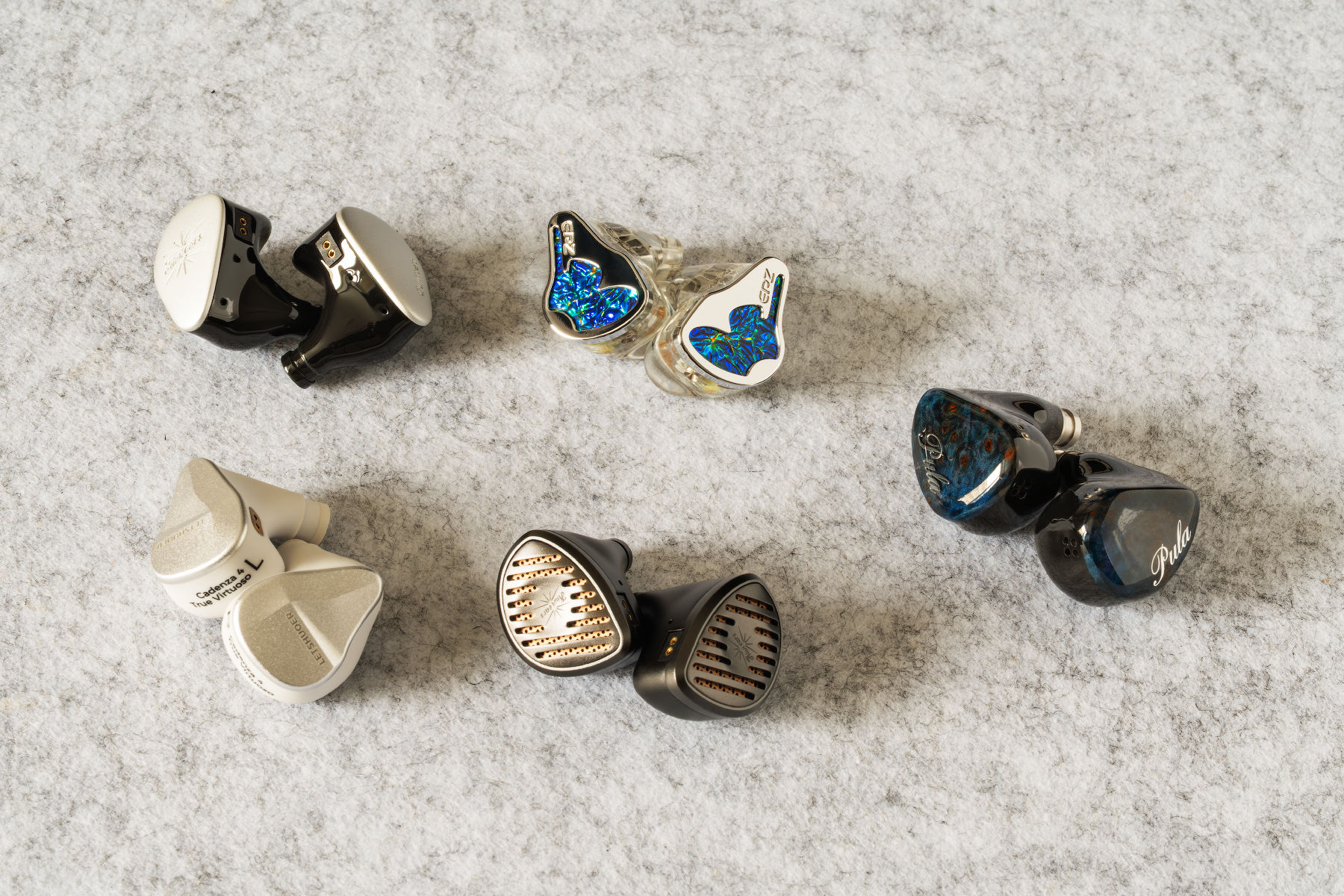
Following the greatest IEM ranking in the entire world, I’ll be comparing the Light Shuttle against the following models:
- Kiwi ears Quintet;
- EPZ K9;
- Letshuoer Cadenza 4;
- Kiwi ears Septet;
- PULA ANVIL114.
Frequency response of the Light Shuttle compared to the PULA ANVIL114:
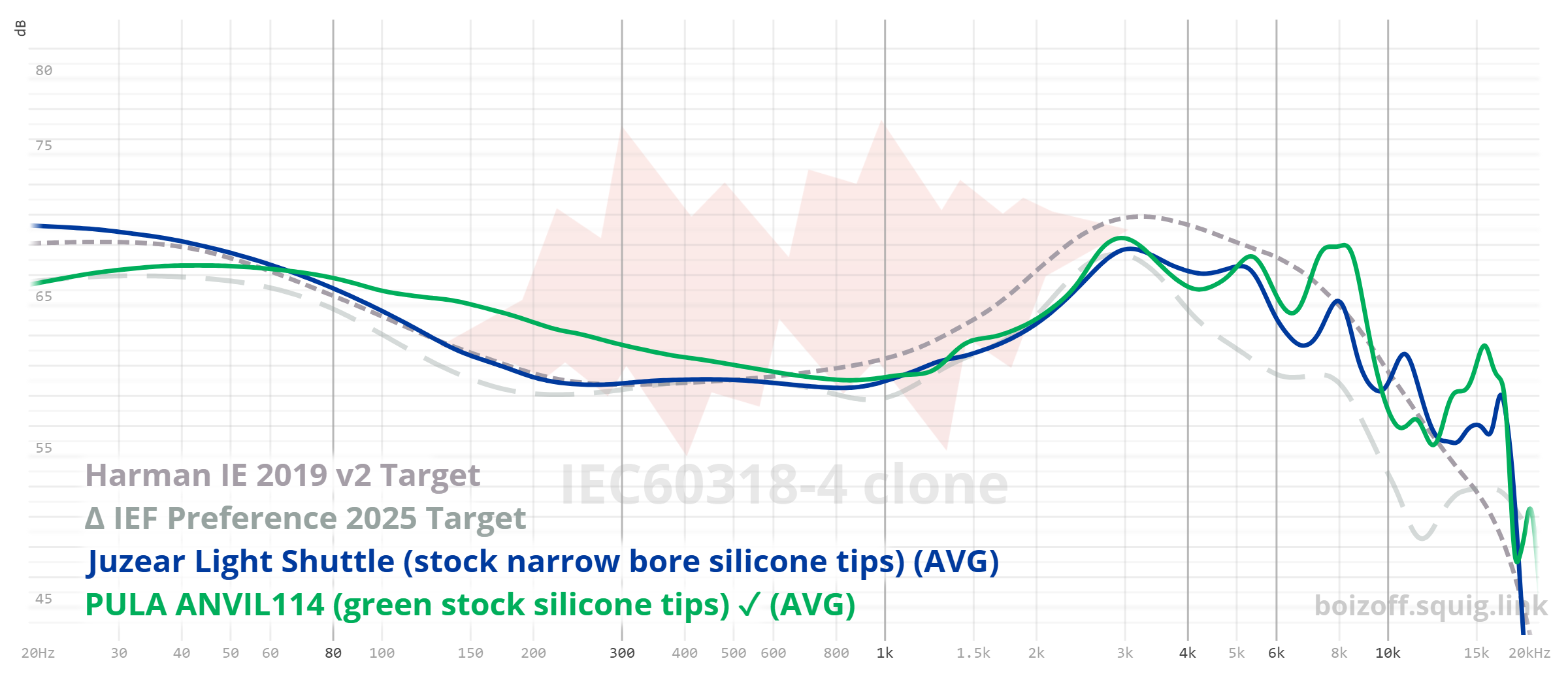
The ANVIL114 manage to make virtually any music enjoyable. I’ve already talked more than once about its aggressive nature, massive sound, infectious energy, and the excessive sharpness of its second resonance. The Light Shuttle take a more refined and balanced approach to tuning.
Frequency response of the Light Shuttle compared to the Letshuoer Cadenza 4:
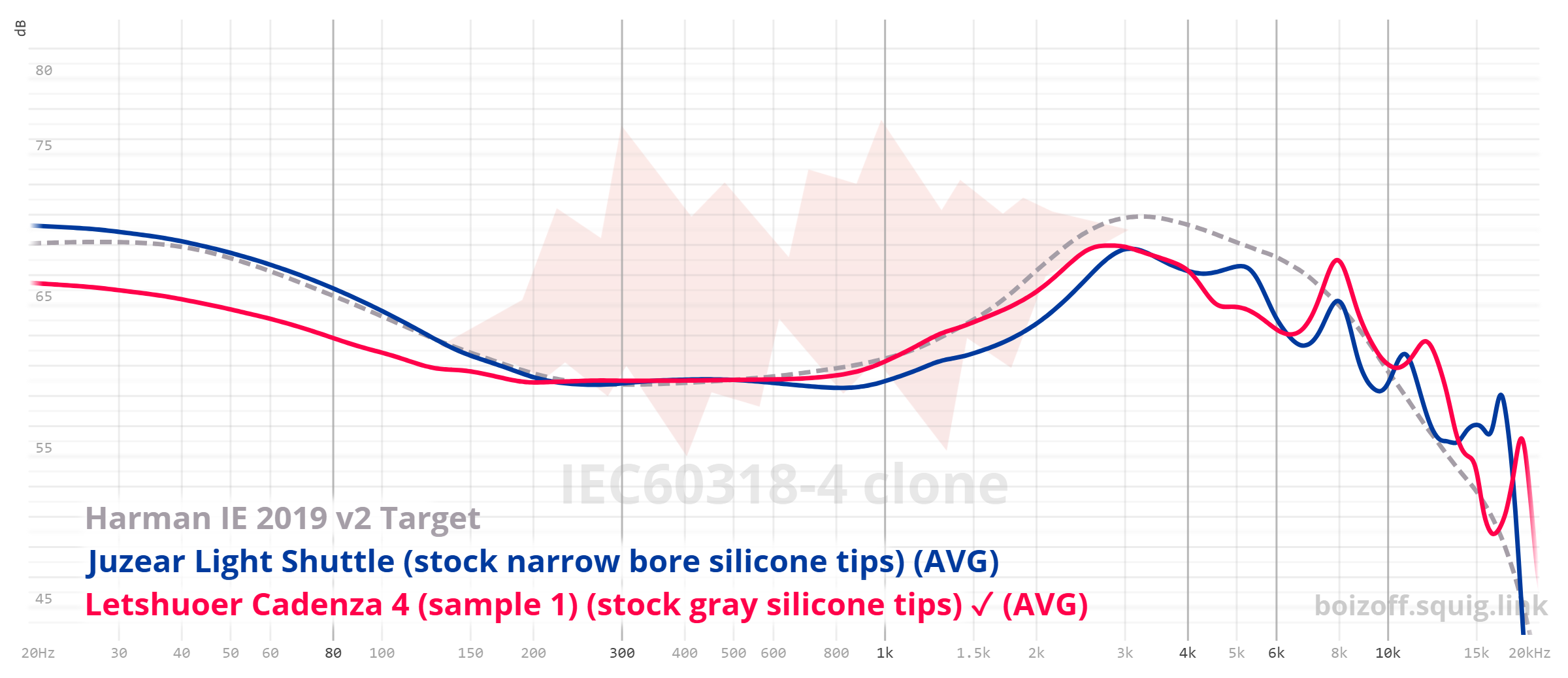
The dry and incisive sound of the Cadenza 4, with its exceptionally fast sub-bass, is the complete opposite of the slightly laid-back character of the Light Shuttle. The Cadenza 4 are brighter and more technical, a specialist tuning aimed at enthusiasts. The Light Shuttle are the more versatile of the two, and their fit is also more ergonomic.
Frequency response of the Light Shuttle compared to the EPZ K9:
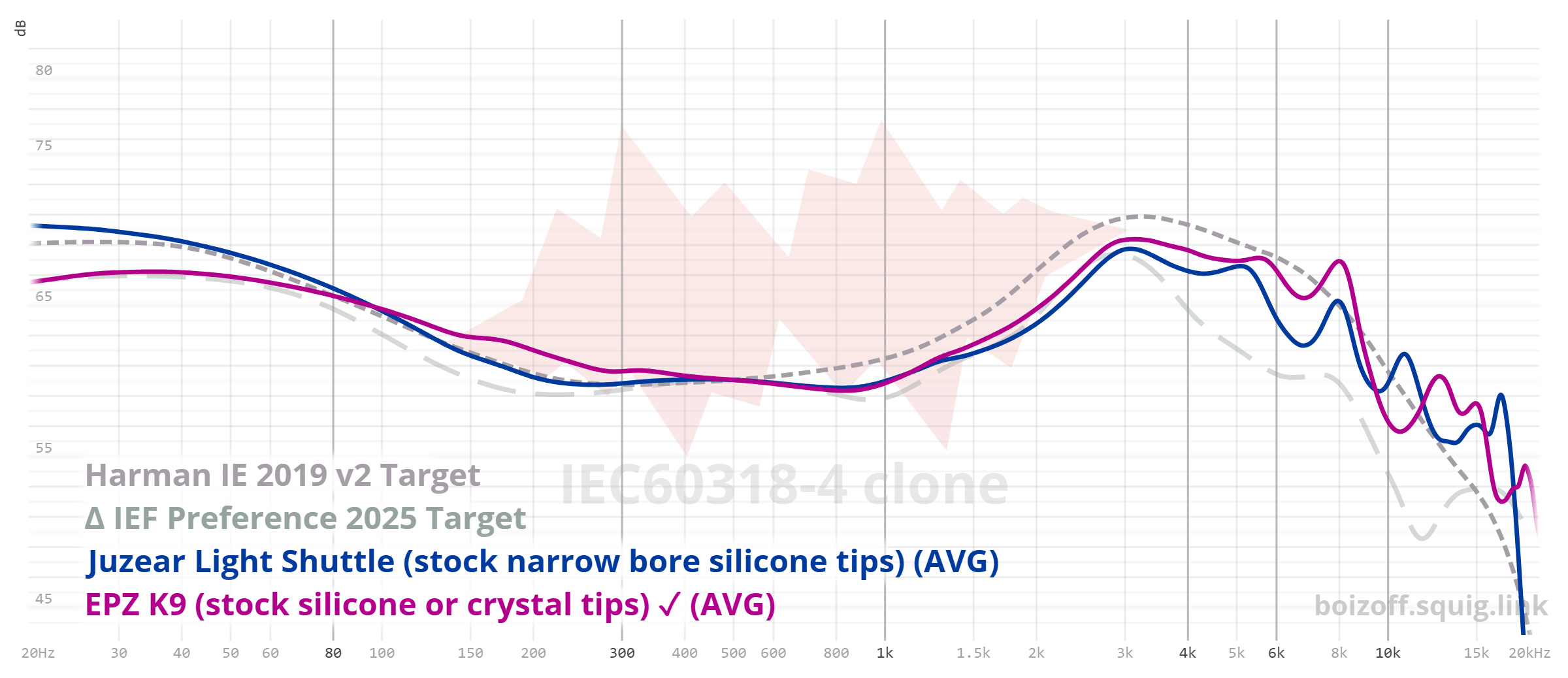
In my opinion, the K9 are one of the most serious and dangerous competitors to Juzear’s earphones. I’ve previously published a full review of the K9. While the two models present the midrange in a remarkably similar way, the K9 adds a touch more bass, which serves to highlight its sparkling treble response. Compared to the Light Shuttle, they sound more natural and more neutral, while still retaining the ability to draw the listener into the music. As for design, that’s probably the only category where choosing a winner is difficult.
Frequency response of the Light Shuttle compared to the Kiwi Ears Quintet:
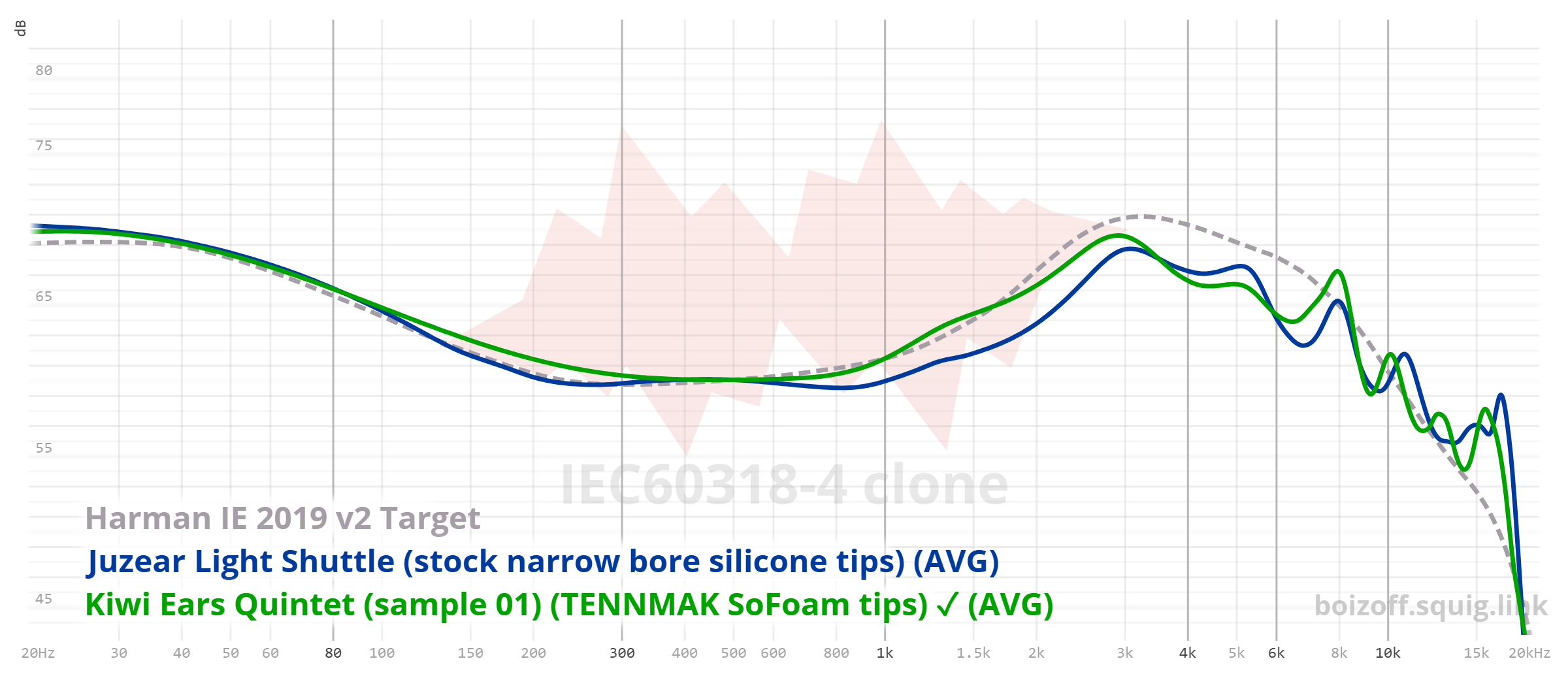
Released almost three years ago, which is practically an eternity in today’s IEM market, the Quintet remain available directly from the manufacturer’s website and continue to sell well. And for a good reason, too. Built around the Harman target, the Quintet address the most controversial aspect of that target: the treble region. The most significant differences compared to the Light Shuttle can be found between 600 Hz and 3 kHz. In this region, the Kiwi Ears earphones sound more expressive and more forward, and the first resonance is positioned slightly further to the left. The Light Shuttle play it safer and take a somewhat more straightforward approach.
Frequency response of the Light Shuttle compared to the Kiwi Ears Septet:
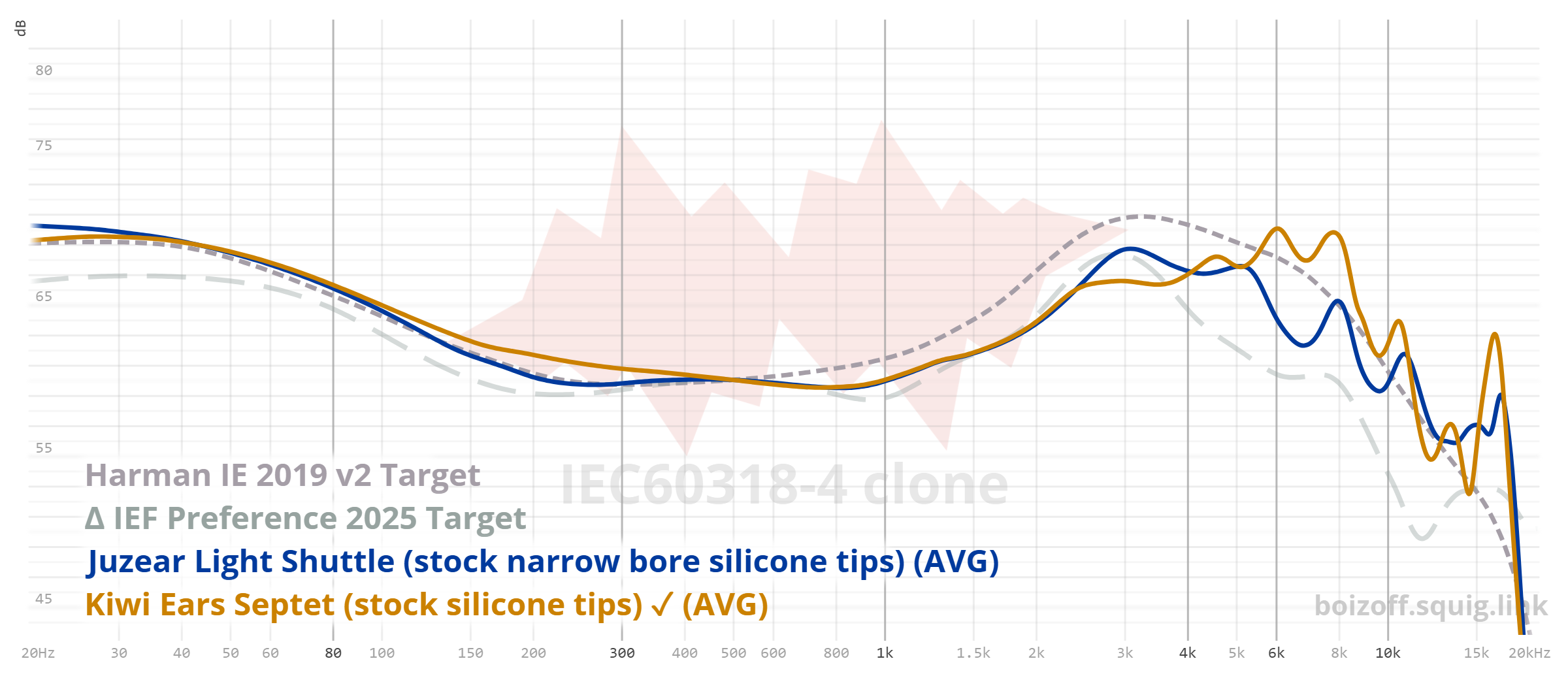
The Septet deliver an airy, sparkling, and expansive sound, but their less-than-ideal fit makes achieving the level of bass shown on the graph almost impossible in practice. The Light Shuttle, on the other hand, make no attempt to hide their thunderous sub-bass, while remaining considerably more restrained in the treble region.
Summary
Juzear has come up with a pretty solid set of earphones. The design is a matter of personal taste, and my grumbling on that front is entirely subjective. As for the sound, the Light Shuttle offers a presentation defined by a striking frequency response and an impressive sense of space, a combination that should appeal to plenty of listeners. And it’s a fairly unique presentation at that. I couldn’t really think of another set with quite the same sonic character.
In my view, this isn’t an all-rounder in terms of tuning. At both extremes of the audible range, it deviates quite noticeably from any of the established target curves. On the other hand, there are tracks that may not sound perfectly accurate or realistic, but they will certainly sound spectacular.
The Light Shuttle aren’t going to reshape the IEM market or spark a revolution in sound, but they’re definitely going to attract attention for a while. The goal was to create “a sound signature that is riskier, but more exciting,” and I’d say that goal has been achieved.
To buy or not to buy: only after you’ve had a chance to try them on, preferably with a few different ear tips.
P.S. Update from 27.09.2026: measurements of another sample.