


Sennheiser HD 490 Pro Over-Ear Headphones Review
I first got to spend some time with the Sennheiser HD 490 Pro in the middle of last year and completely fell in love with them, but back then I simply didn’t have the time to write a review. And now, thanks to my follower Alexey, I had another chance to get my hands on a pair.
So today we’re going to talk about these excellent beyond doubts headphones – the Sennheiser HD 490 Pro, priced at RUB 38,000.
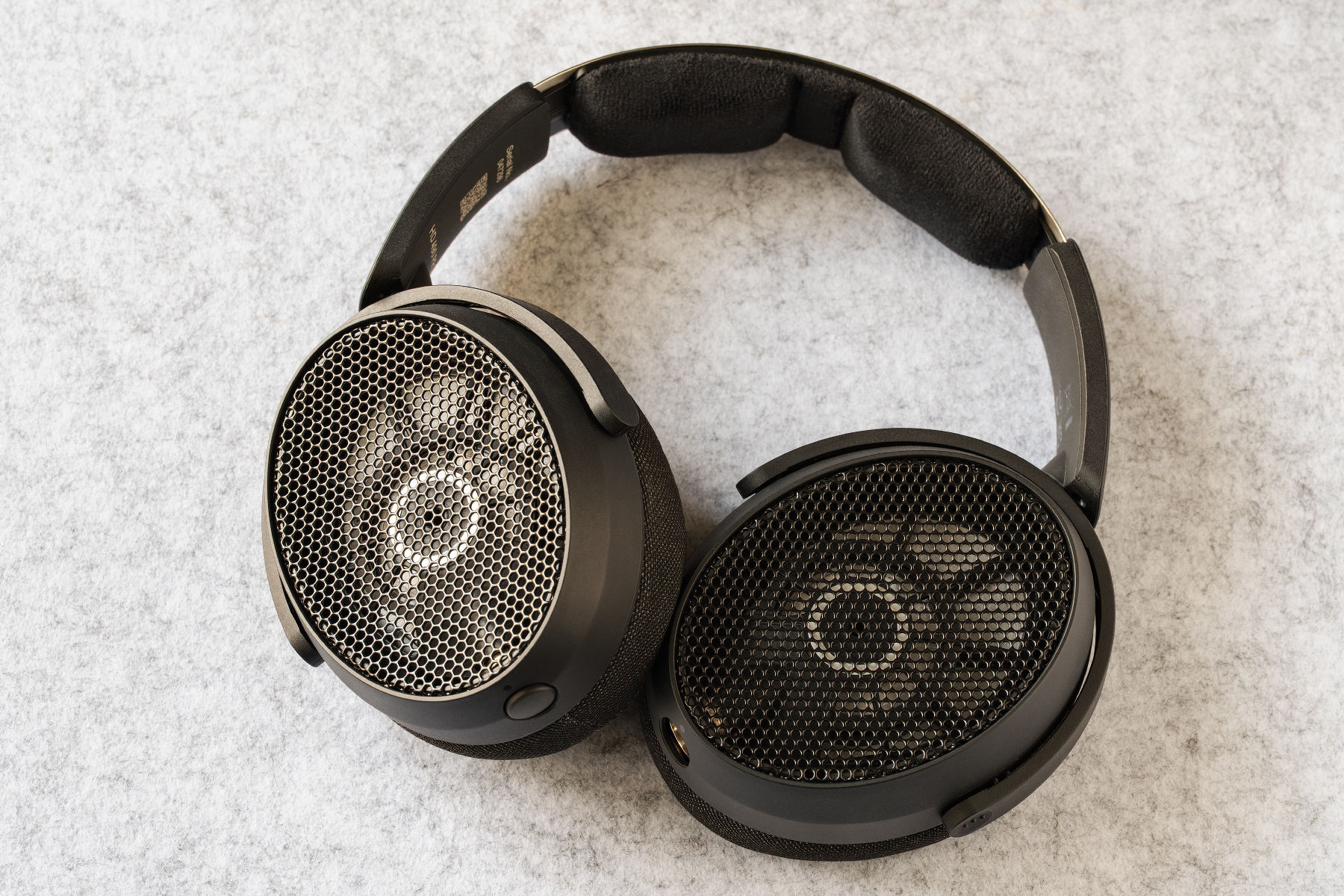
A huge thank you to Alexey for sending them in for review!
Briefly about Sennheiser’s headphone lineups and product positioning
Sennheiser’s headphone business is split between two divisions: Consumer Hearing (sold to the Swiss company Sonova in 2022) and Professional Audio, which remains under the direct management of Sennheiser electronic GmbH & Co. KG. The well-known HD 5XX, HD 6XX, and HD 8XX series belong to the Consumer Hearing side of the business, while the HD 200/300/400 Pro models are products of the Professional Audio division. In some cases, it is possible to draw direct parallels between headphones from the two branches. For example, the HD 560S and HD 400 Pro are effectively identical in terms of sound quality despite coming from the consumer and professional divisions respectively. The professional model, however, is manufactured with tighter driver-matching tolerances and comes with slightly different styling and accessories. The HD 300 Pro, on the other hand, have no direct counterpart in Sennheiser’s consumer lineup.
The star of today’s review, the HD 490 Pro, are very much a product of the Professional Audio division. These headphones are explicitly positioned as a tool for studio work, mixing, and monitoring, and they do not have a direct sonic equivalent anywhere in Sennheiser’s consumer headphone range.
All but the sound
Sennheiser has never put much effort into fancy packaging, and the HD 490 Pro are no exception. They come in a simple black-and-white box with blue side panels. The color, by the way, is officially called “Sennheiser Blue.”
Inside, you’ll find only the essentials:
- the headphones;
- a cable with a 3.5 mm to 6.3 mm adapter;
- an interchangeable pad set.
The headphones are also available in the Pro Plus package, which adds a hard carrying case, a 3 m cable, and a replacement headband pad. There are no other differences between the two versions.
The supplied cable is 1.8 m long and features a short, coiled section on the headphone side. It connects to the source via a single-ended TRS connector, while the headphone end uses a 4-pin mini-XLR connector. This hints at balanced operation, and indeed the headphones support balanced connections. Sennheiser even offers a dedicated HD 480/490 PRO Balanced Cable, sold separately.
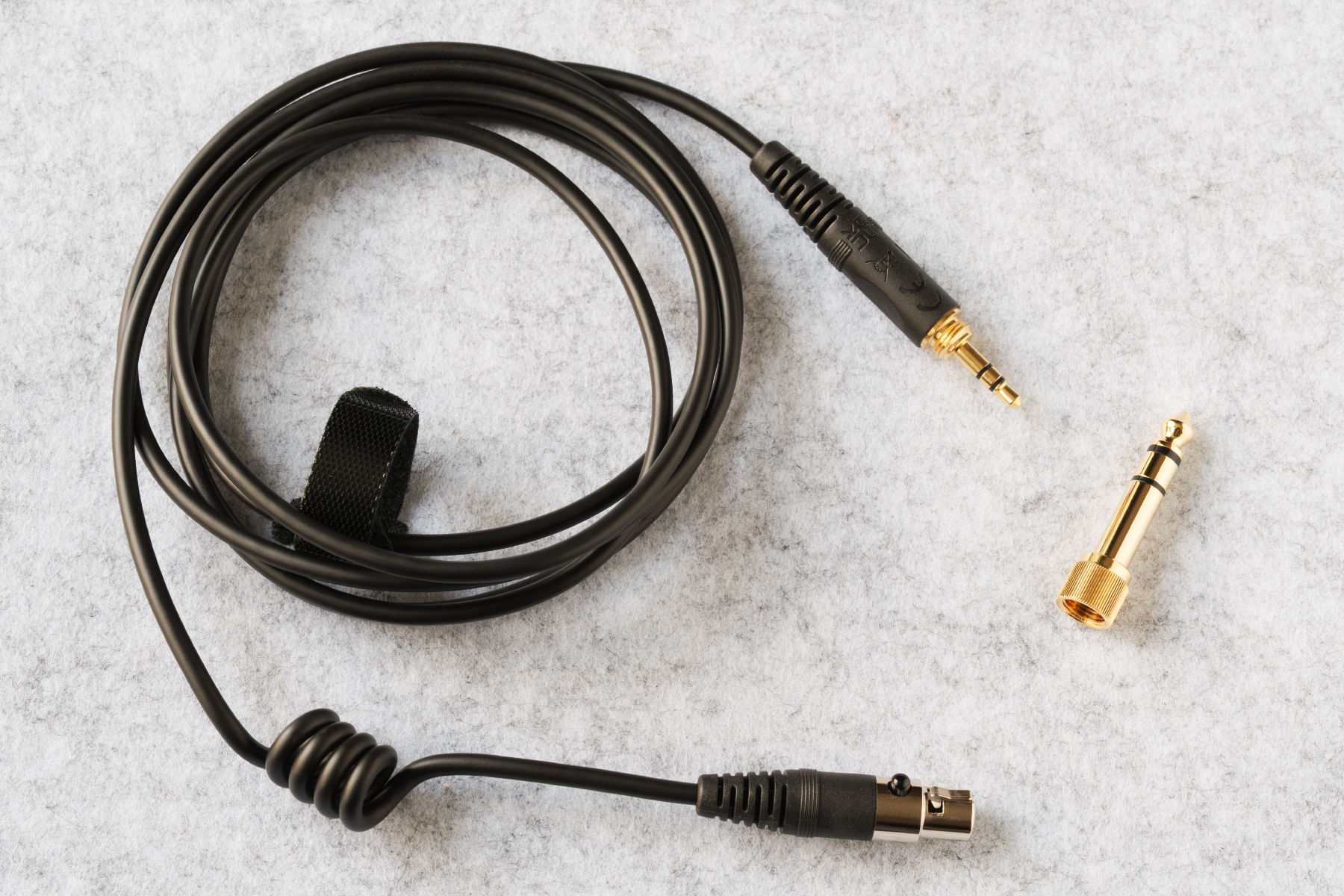
The stock cable is soft and lightweight, with strain reliefs on both connectors, while the 6.3 mm adapter uses a threaded locking mechanism.
It’s also worth noting that third-party cables with integrated microphones are available (like this).
The headphones themselves: the earcups are made from a rigid yet lightweight glass-fiber-reinforced nylon (PA6). The same material is used for parts of the headband assembly as well as the earcup swivel mechanisms.
The headband frame is made of steel, with notches for click adjustment.
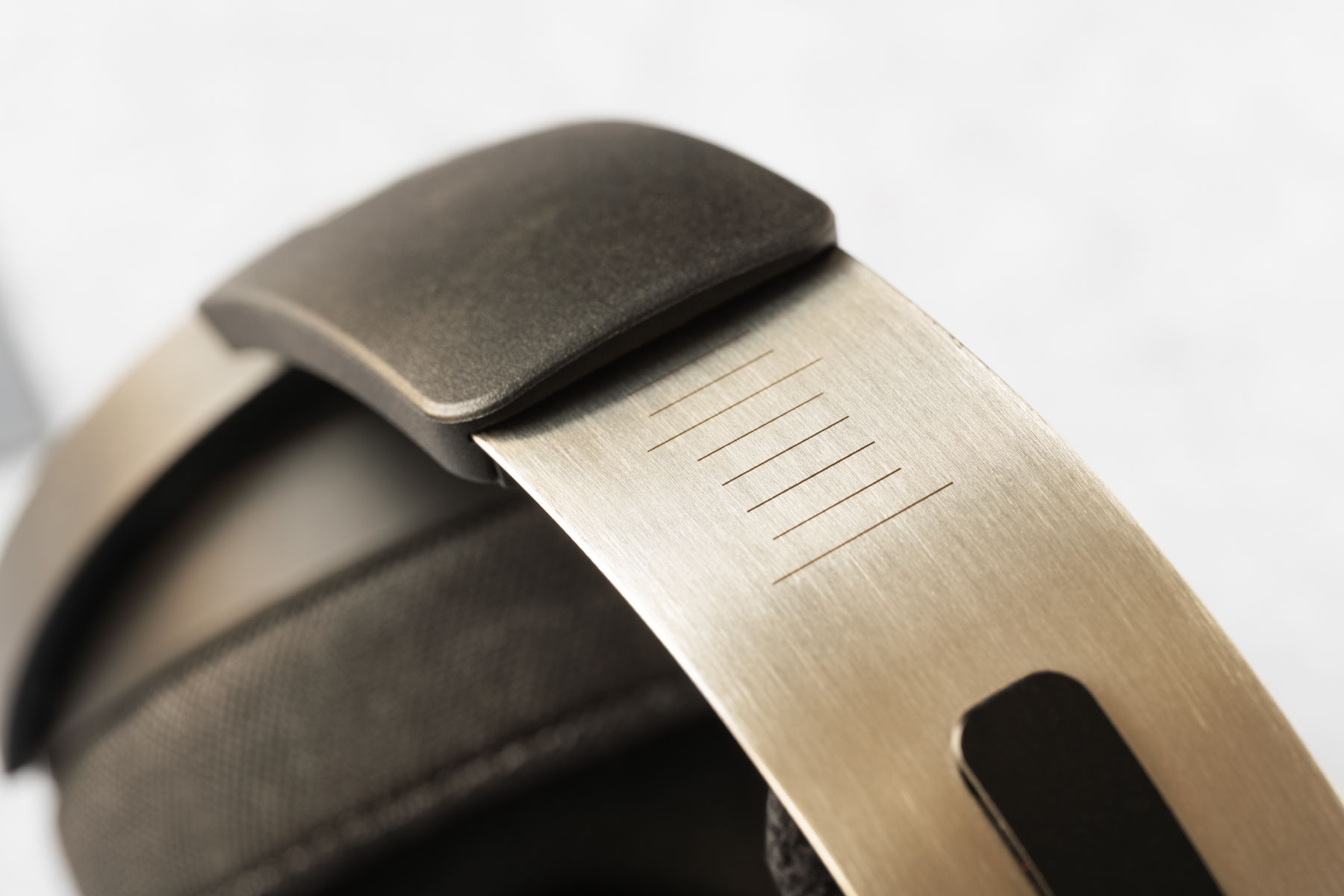
A cable connecting the left and right channels runs beneath the headband and is covered by a soft padding strip.
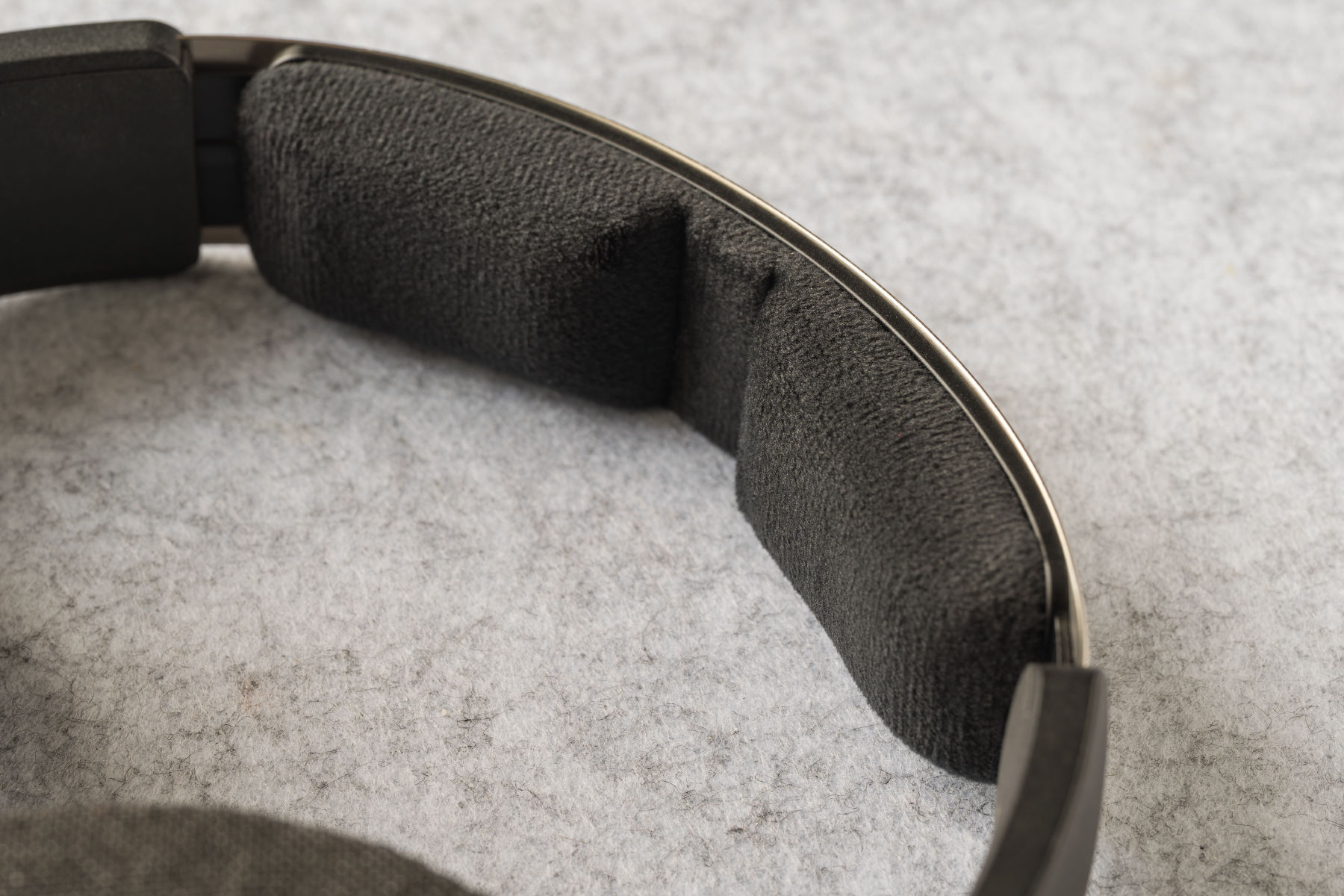
The earcups are attached to the headband via a yoke-and-hinge mechanism that allows both tilt adjustment and 90-degree rotation forward and backward around the vertical axis.
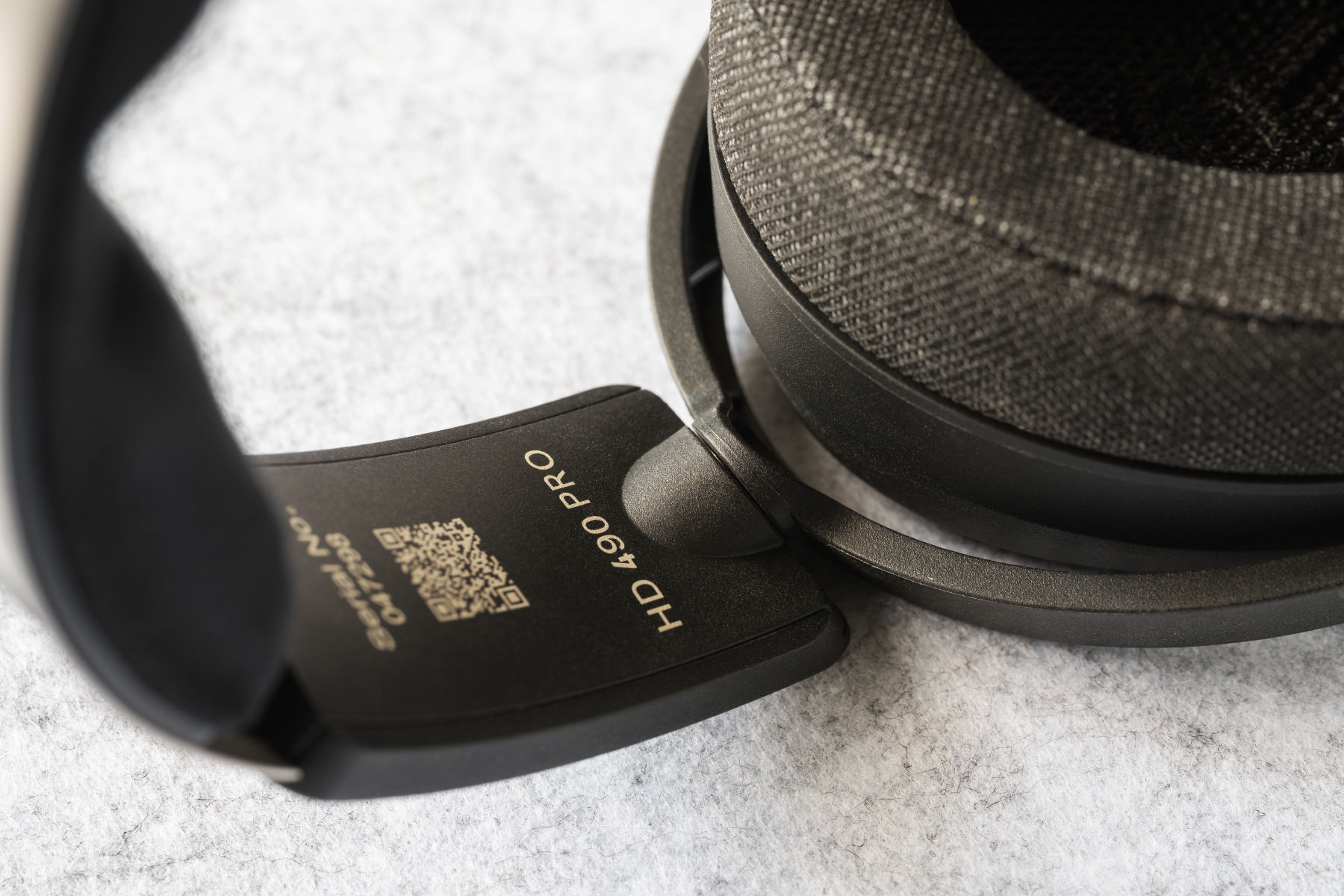
The left yoke features a tactile channel marker in the form of three raised dots, making it easy to identify by touch.
Connectors for the cable are located on both earcups.
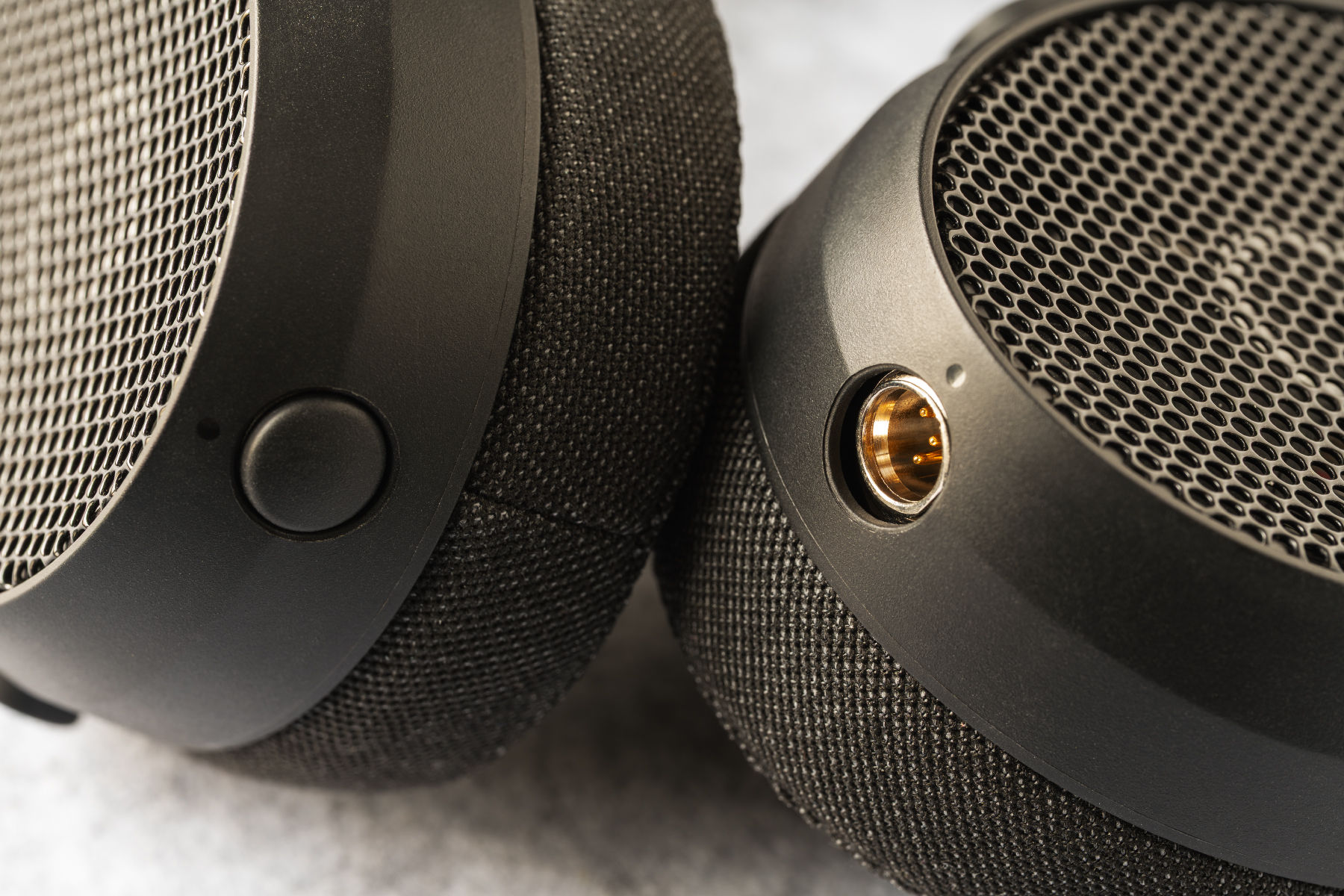
The headphones use a single-sided cable connection, and the user can choose which earcup to plug into and cover the unused connector with the supplied rubber cap. It’s an excellent solution that we’ve already seen on models such as the ADAM H200 and the RØDE NTH-100.
The earpads attach to the earcups via six sturdy snap clips.
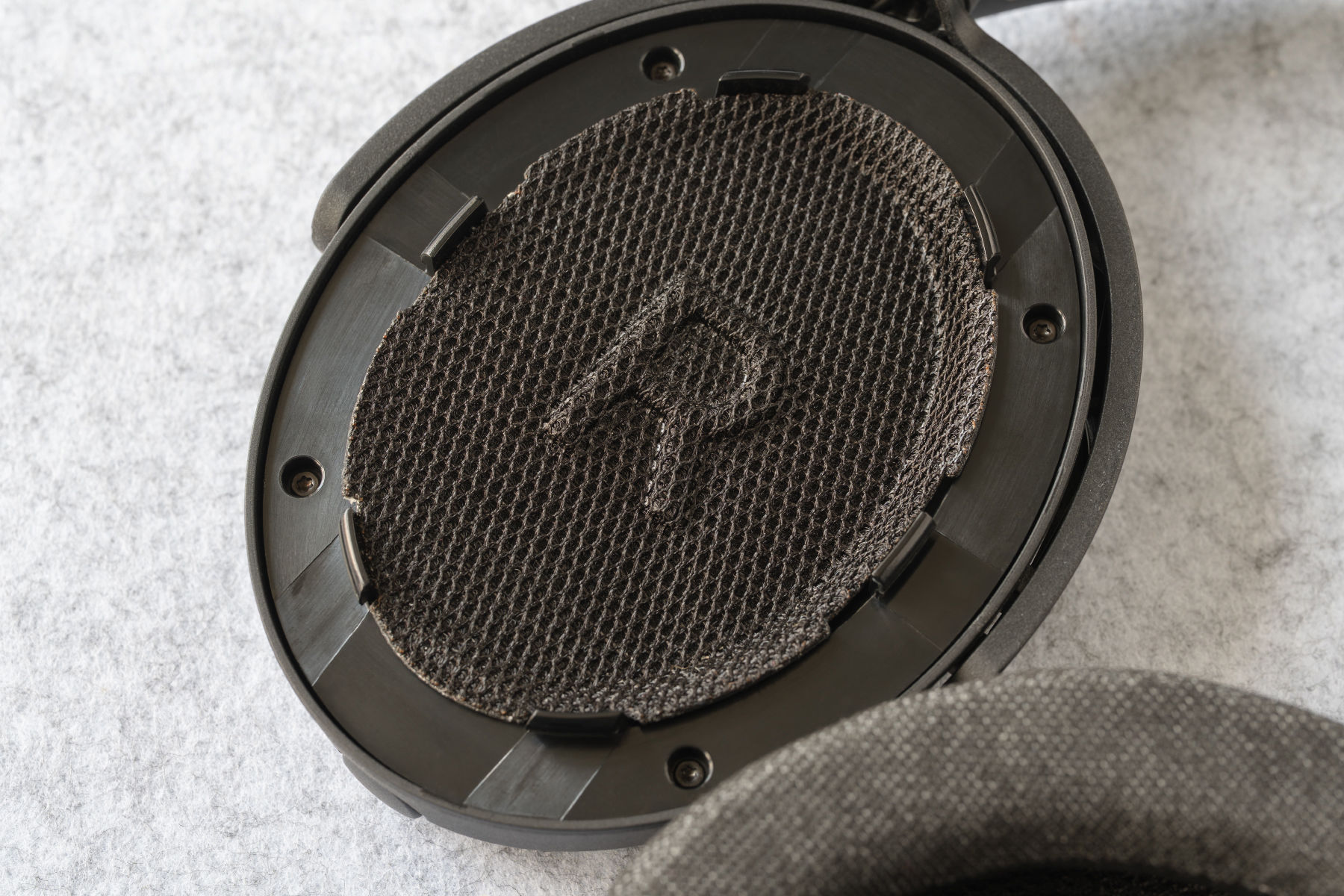
With the earpads removed, you can see a replaceable dust filter embossed with the channel marking. Beneath it sit a damping layer and the driver itself. The dust filter is user-replaceable, and a fresh pair is included with every genuine Sennheiser earpad set. As the photo shows, the drivers are mounted at a slight 6° angle toward the ear (angle is noticeably smaller than on the AR5000).
The HD 490 Pro ship with two sets of earpads. The first set, called Mixing Pads, is covered in fabric and, according to Sennheiser, is intended for mixing, monitoring, and other analytical listening tasks.
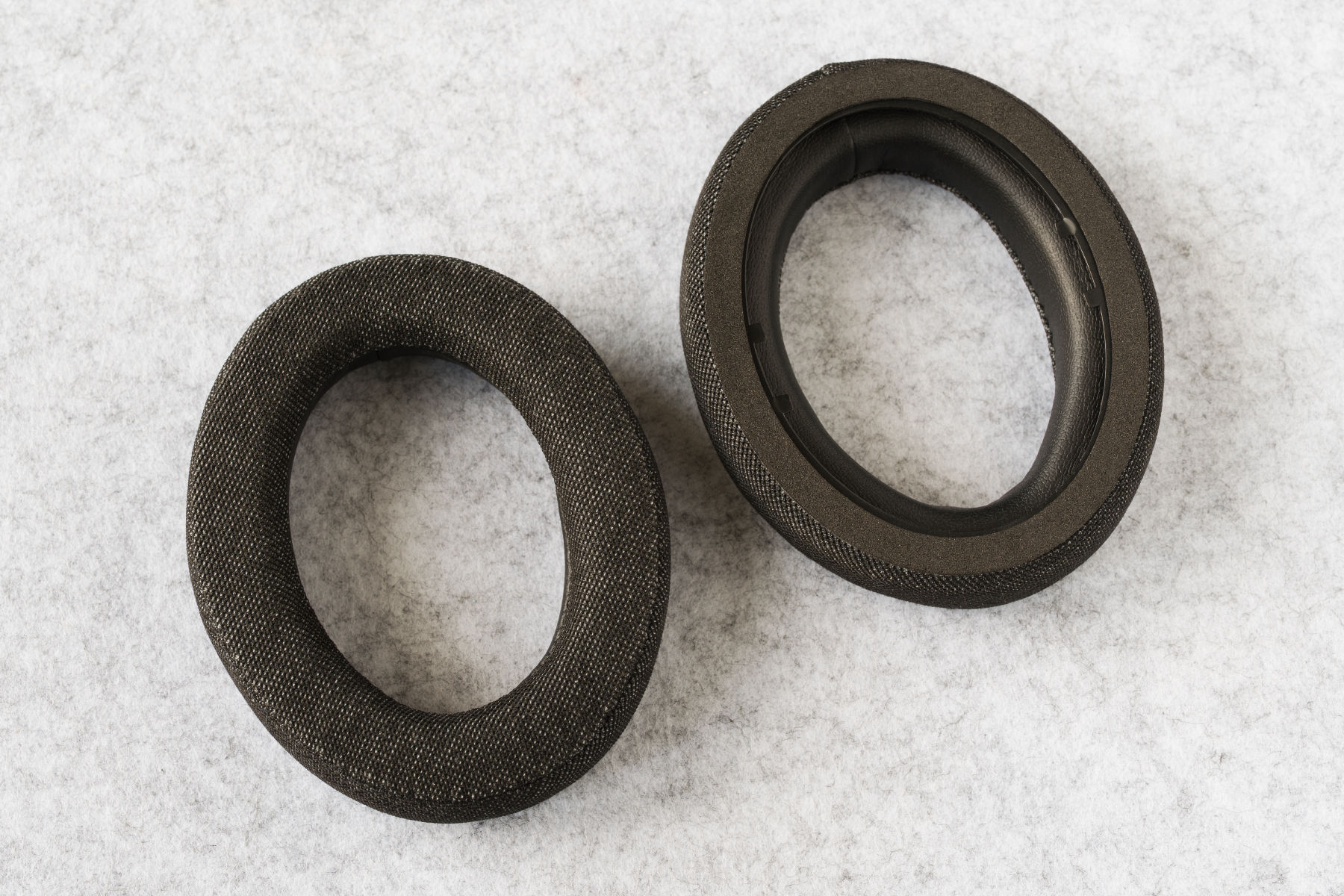
The second set, the velour-covered Producing Pads, is intended more for the creative side of music production and for simply enjoying the music.
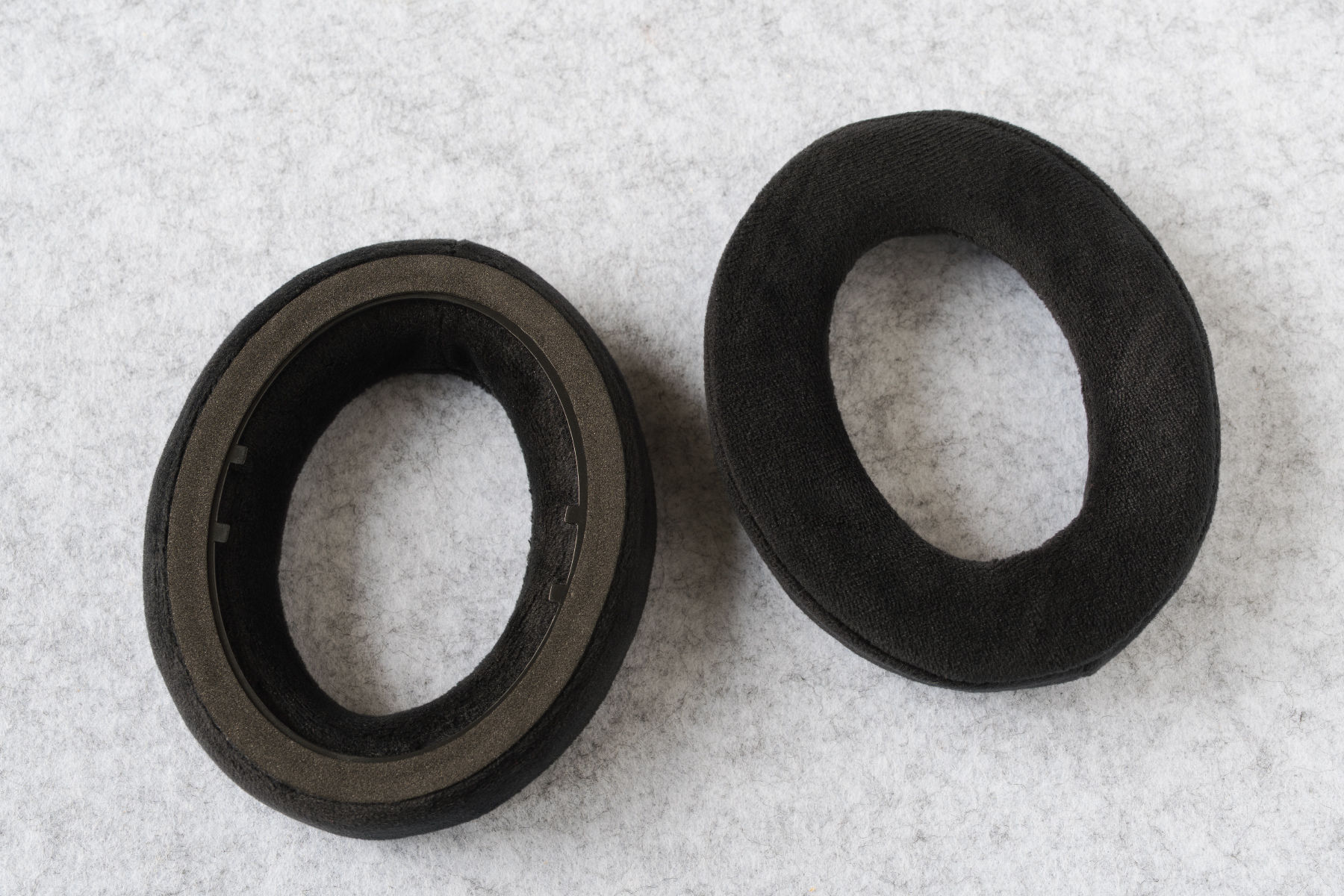
Both pad types use the same filling: an exceptionally soft memory foam. Their physical dimensions are 7 cm high, 5 cm wide, and 2.2 cm deep. In practice, the effective depth is slightly greater because the drivers are mounted at an angle.
Two details are worth highlighting:
- The earpads are vertically symmetrical, so it makes no difference whether they are installed with the seam facing up or down.
- The inner side of each earpad features a sealing ring that prevents the formation of an additional air gap, something that stretched earpads with mounting lip suffer from.
The HD 490 Pro are a masterclass in rational, purpose-driven design. Thanks to the extensive use of a cleverly engineered glass-fiber-reinforced plastic, Sennheiser has kept the weight down to just 265 g (with the Mixing Pads installed). The same material is used in the earcup pivot mechanisms, where its self-lubricating properties make perfect sense. The headphones remain completely free of creaks and squeaks, they’re lightweight, the headband has plenty of flexibility, and both the earpads and the headband cushion can be replaced without difficulty.
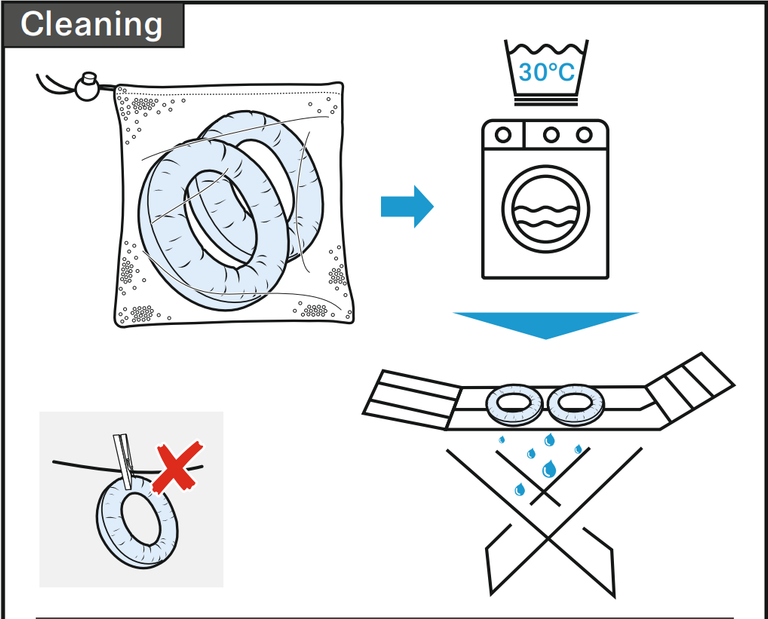
Speaking of the earpads, they are washable, and it’s explicitly mentioned in the user manual.
Ergonomically, the HD 490 Pro are just as impressive. The earcups and earpads are spacious, the memory-foam filling is exceptionally soft, the headphones are lightweight, and the clamping force is about as comfortable as it gets. They never quite disappear on your head to the point where you forget you’re wearing them, but I can confidently say these are among the most comfortable headphones I’ve ever used. I spent eight hours straight wearing them without any discomfort whatsoever.
My only minor complaint is that I would have preferred clearly visible channel markings on the outside of the headphones, so I wouldn’t have to look inside the earcups every time to check orientation. But that’s very much a personal nitpick.
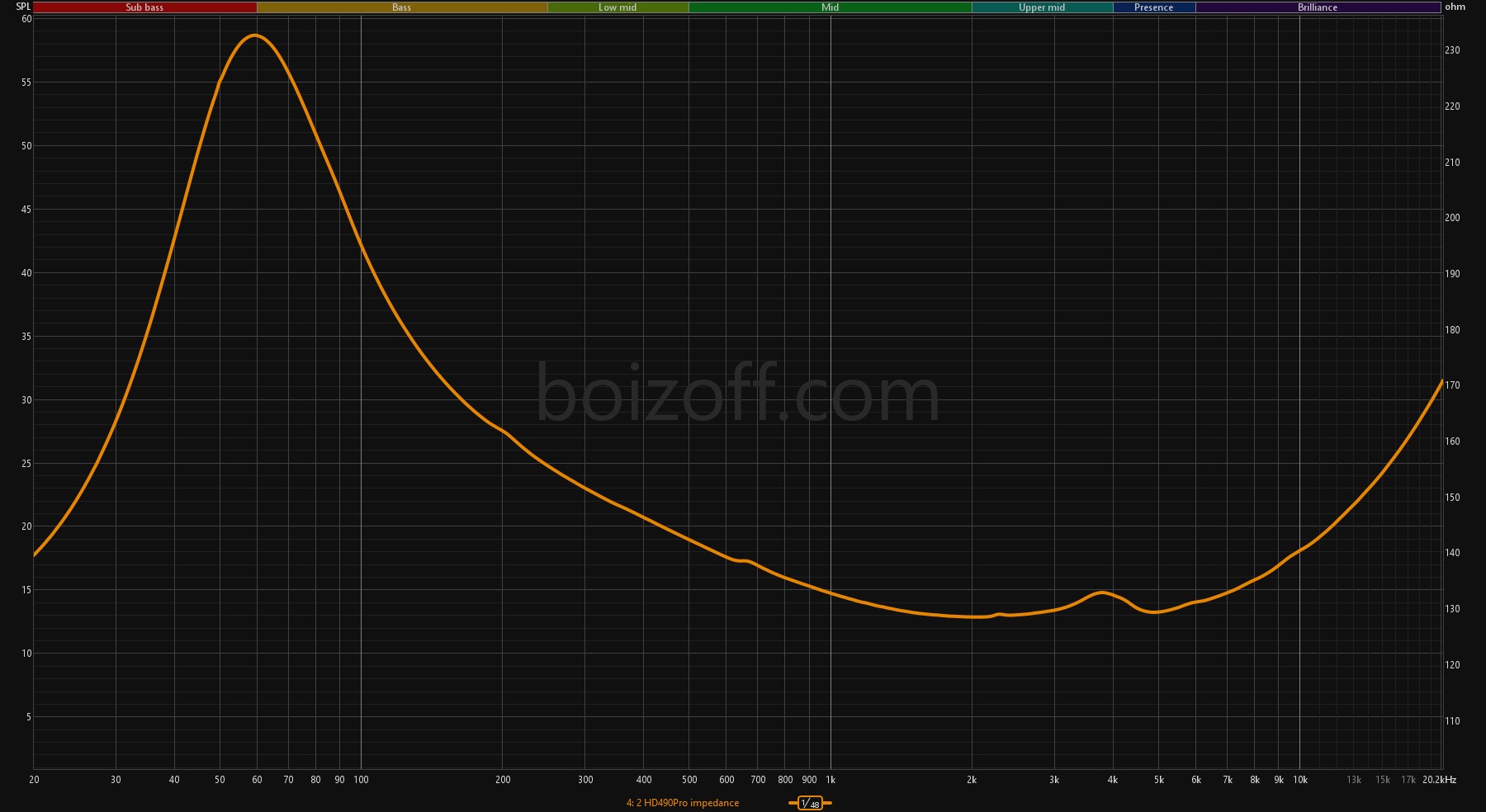
As for the electrical specifications, Sennheiser rates the HD 490 Pro at 105 dB SPL (1 kHz / 1 Vrms) with an impedance of 130 Ω at 1 kHz. My own measurement came out at 132 Ω.
When it comes to real-world source requirements:
- The RME ADI-2 DAC fs drives the HD 490 Pro effortlessly, as you would expect.
- Even the tiny Shanling M0 Pro reaches comfortably high listening levels at 70/100 on low gain.
The sound
Standard links:
- the description of my rig is here;
- the audiogram of my hearing is here;
- articles on measurement theory and the whole shebang are here;
- some fine points of over-ear headphone measurements are here.
Here’s the frequency response of the Sennheiser HD 490 Pro fitted with the Producing Pads, measured with normal clamping force and an ideal fit on the measurement rig:
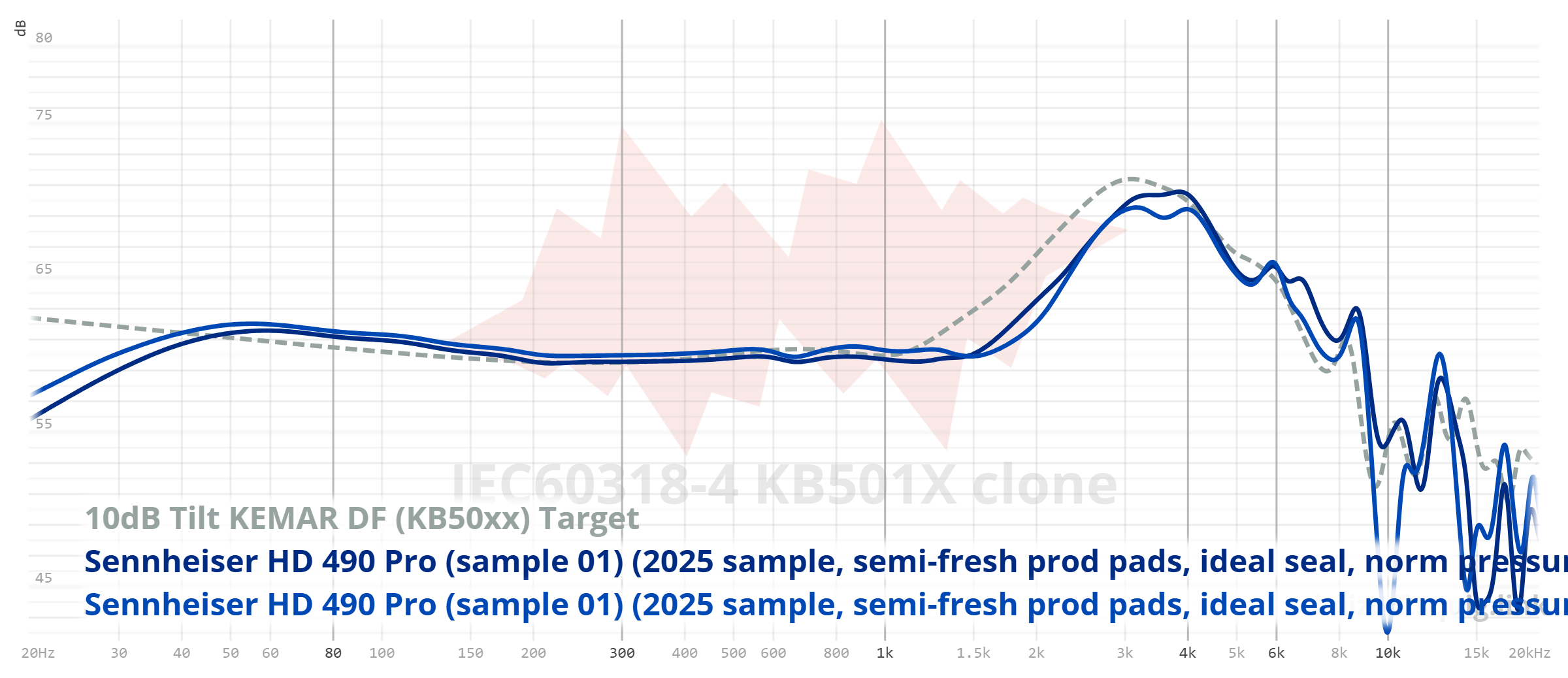
At this point, let’s simply note the channel matching, which is quite good.
Comparison of the frequency response with the Producing Pads and Mixing Pads, again measured with normal clamping force and an ideal fit on the measurement rig:
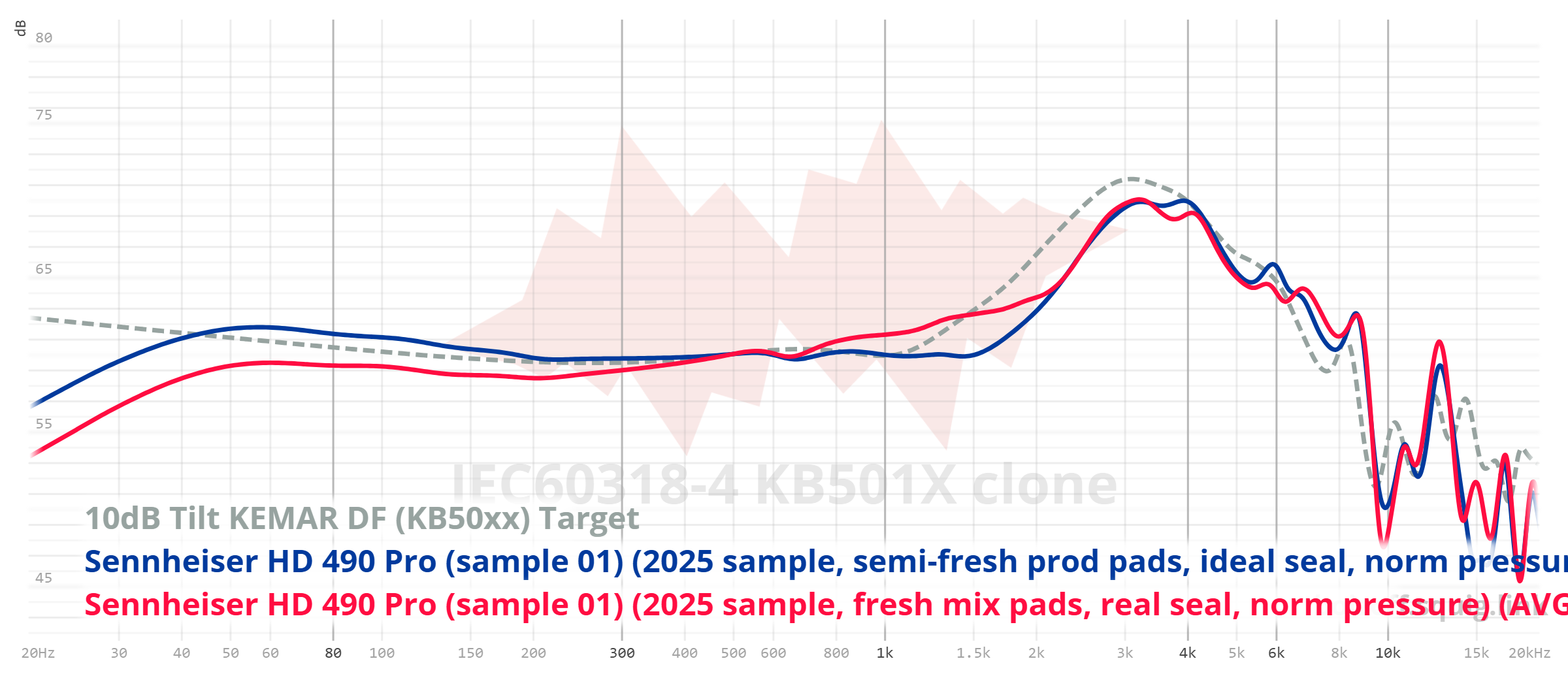
The reason I keep emphasizing clamping force is that, with this particular model, both clamping pressure and the depth to which the ear sits inside the earpad and the earcup are exceptionally important. Here’s what happens when the headphones are positioned incorrectly on the head:
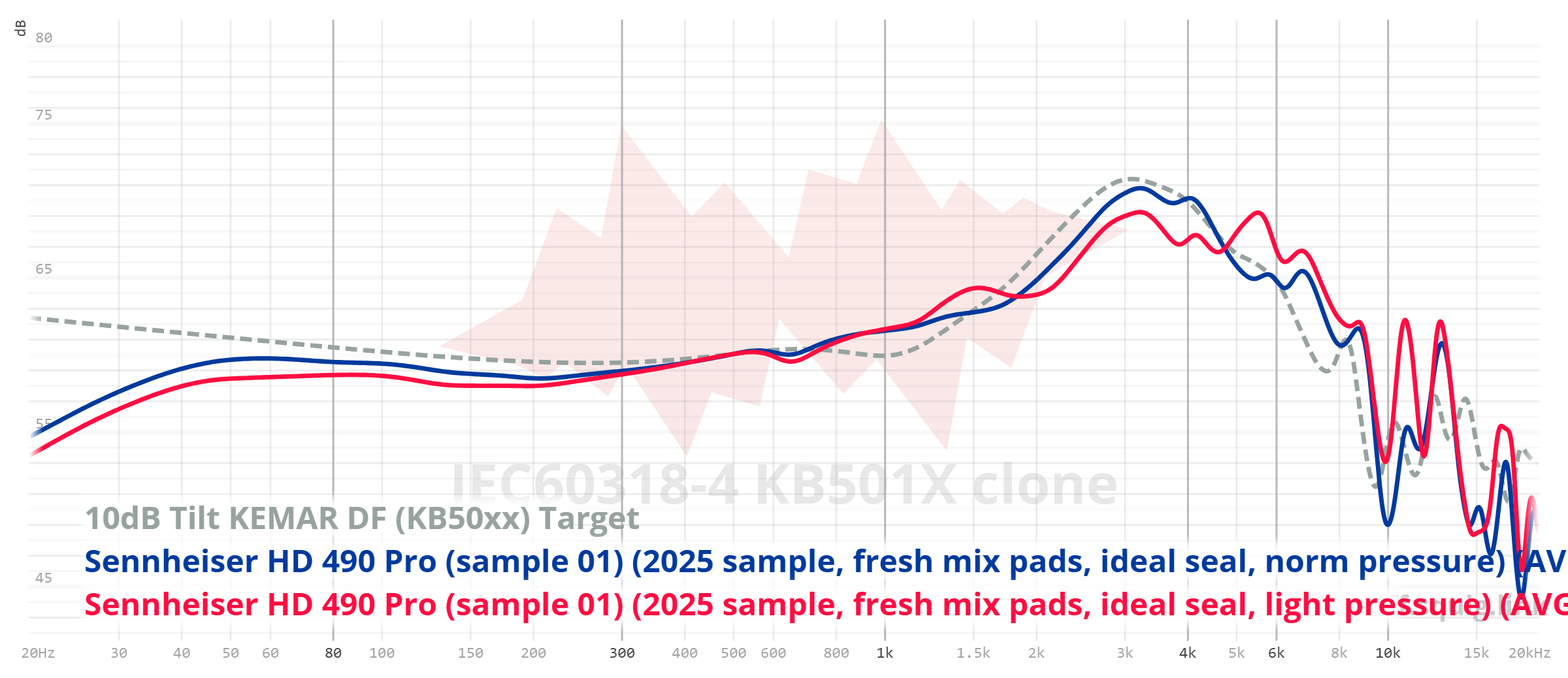
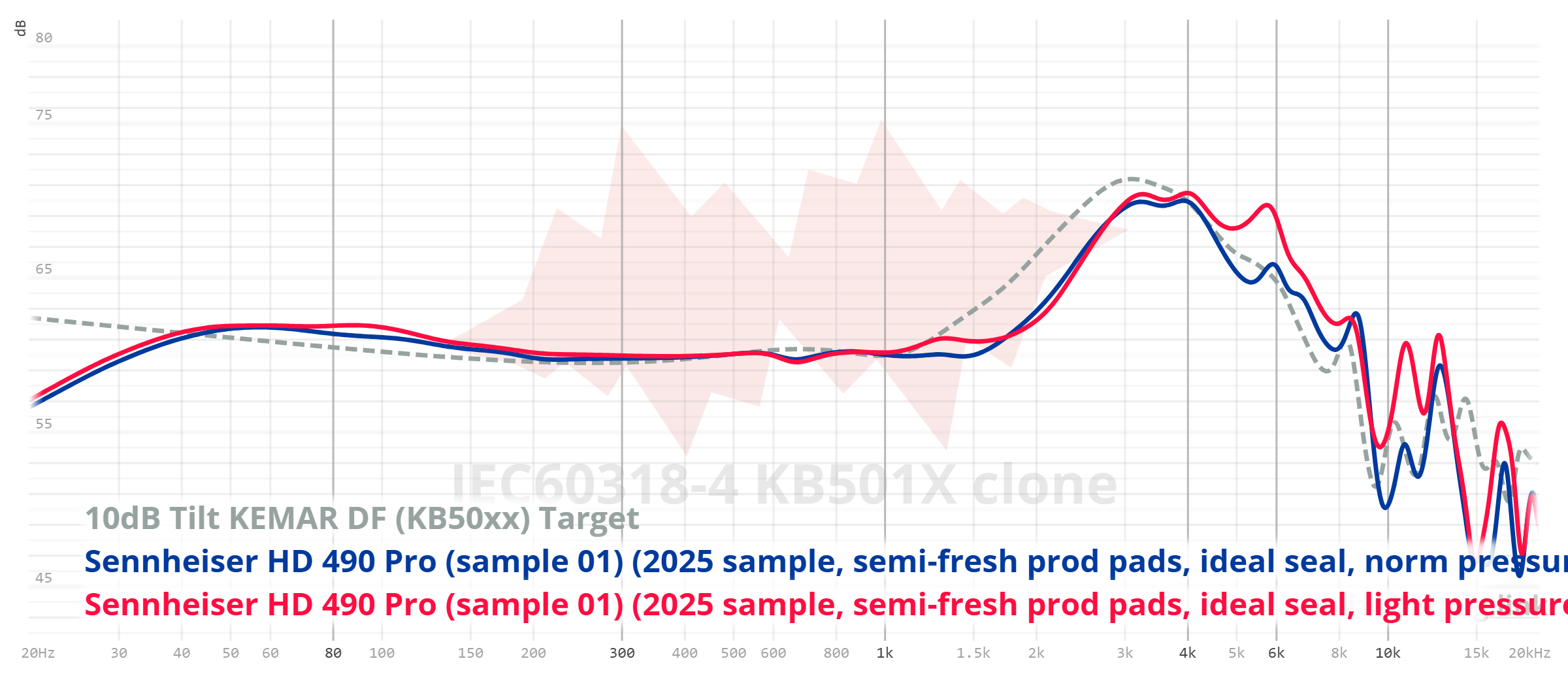
In other words, if the headphones sit too loosely, the HD 490 Pro develop an additional and clearly excessive emphasis in the treble region between 4 and 9 kHz.
Likewise, the appearance of an air gap between the earpads and the side of the head leads to a faster roll-off in the sub-bass region and a reduction in output within the frequency range mentioned above.
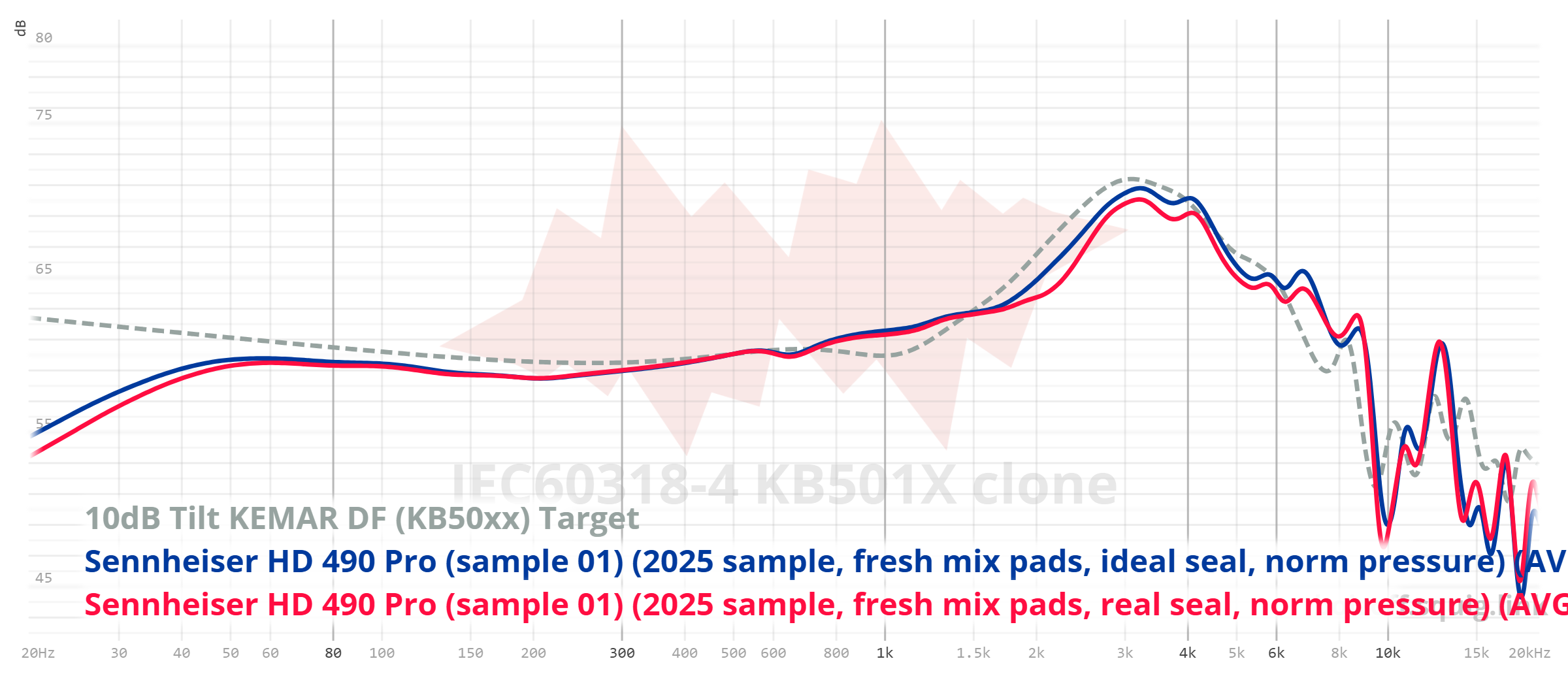
The changes aren’t dramatic, but they’re clearly visible in the measurements.
As I mentioned earlier, the earpads are fairly spacious and allow a considerable amount of freedom in positioning, particularly when it comes to moving the headphones forward or backward on the head. Here’s how that affects the sound:
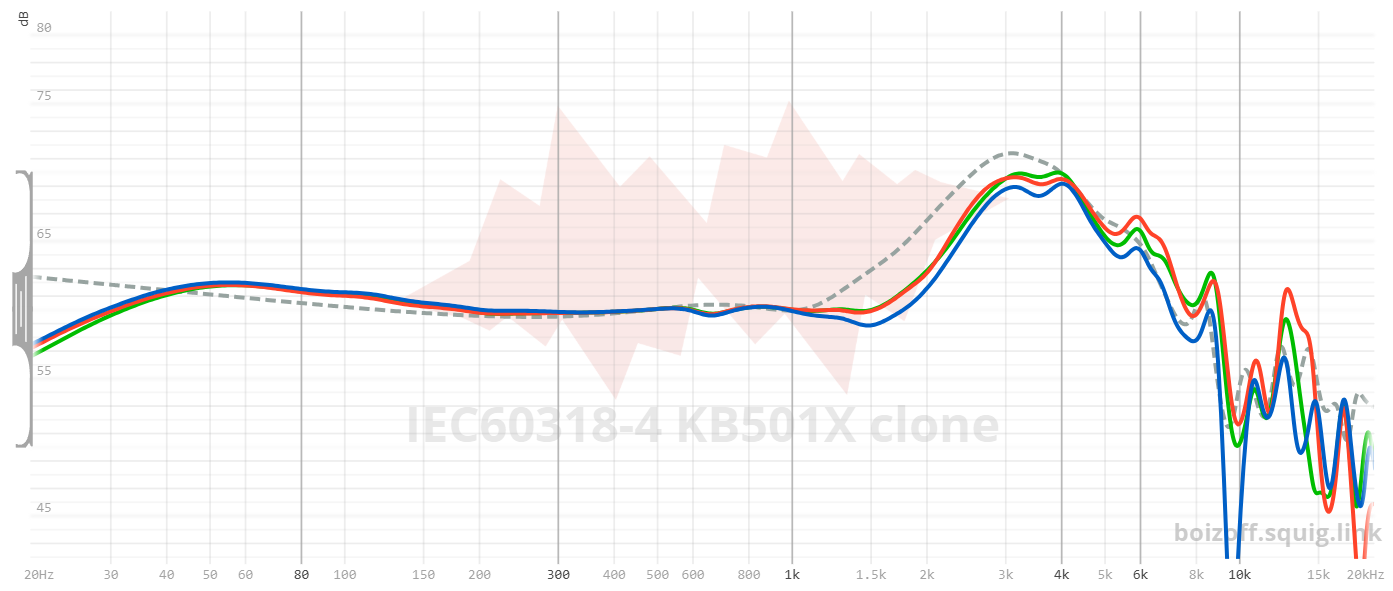
Unfortunately, squig.link let me down here and refused to display the graph labels. The green curve represents the standard fit, the blue curve shows the headphones shifted forward, and the red curve corresponds to a rearward position. Moving the headphones forward slightly reduces the level of the upper midrange and the highs. Shifting them backward, on the other hand, introduces an emphasis around 6 kHz, along with a smaller peak at 13 kHz.
What can we learn from these measurements?
- When tuning the HD 490 Pro, the manufacturer appears to have chosen a target curve based on a Diffuse Field (DF)response tilted downward at-1 dB per octave. A pure DF target tends to sound somewhat midrange-forward and lightweight, whereas a slight downward tilt produces one of the most convincing neutral tunings available for over-ear headphones, alongside the well-known Harman 2013 target. In that respect, the HD 490 Pro are one of the few headphones that genuinely deserve their studio-monitoring credentials, not because of marketing claims or industry tradition, but because the objective measurements support that positioning.
- A compact 38 mm dynamic driver can only produce so much sub-bass output. While what Sennheiser has achieved here is already impressive, there are still physical limitations. With the Mixing Padsinstalled, the bass roll-off begins at around40 Hzand reaches roughly5 dB down at 20 Hz.
- The two earpad sets also alter the tuning in meaningful ways. The Mixing Pads reduce the volume around 2 kHz by approximately 3 dB, while the Producing Pads present this region more fully and directly. The trade-off is that the Producing Pads exhibit a somewhat greater roll-off in the lower part of the frequency range.
Nonlinear distortion at 94 dB with the “Use harmonic frequency as ref” option turned off and on:
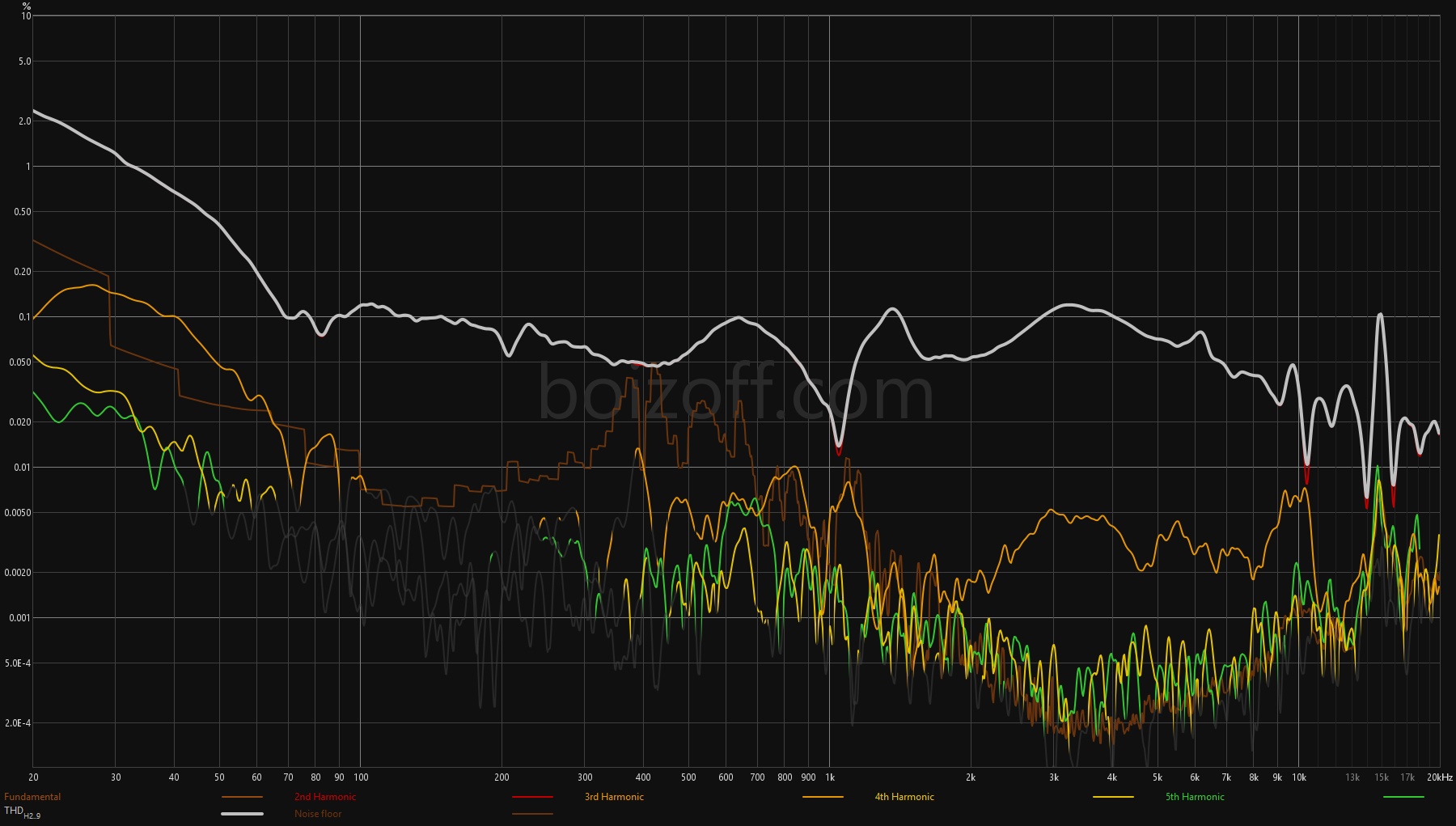
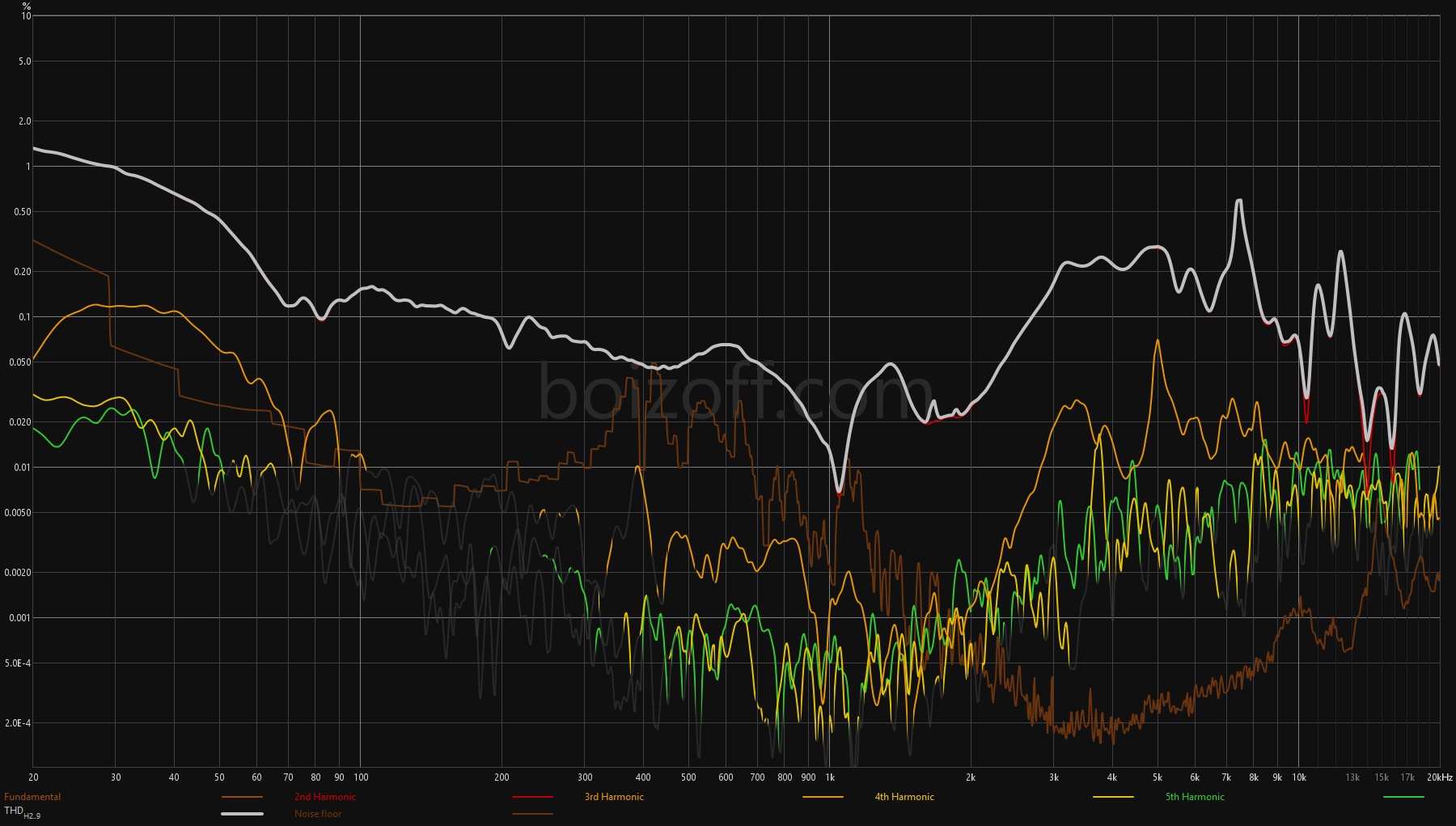
Achieving less than 1.5% distortion at 20 Hz from a driver of this size is an engineering triumph. Across the rest of the frequency range, the figure never exceeds 0.5%, which is simply excellent. Keep in mind that we’re talking about 94 dB SPL, and that’s already very loud.
Nonlinear distortion at 104 dB with the “Use harmonic frequency as ref” option turned off and on:
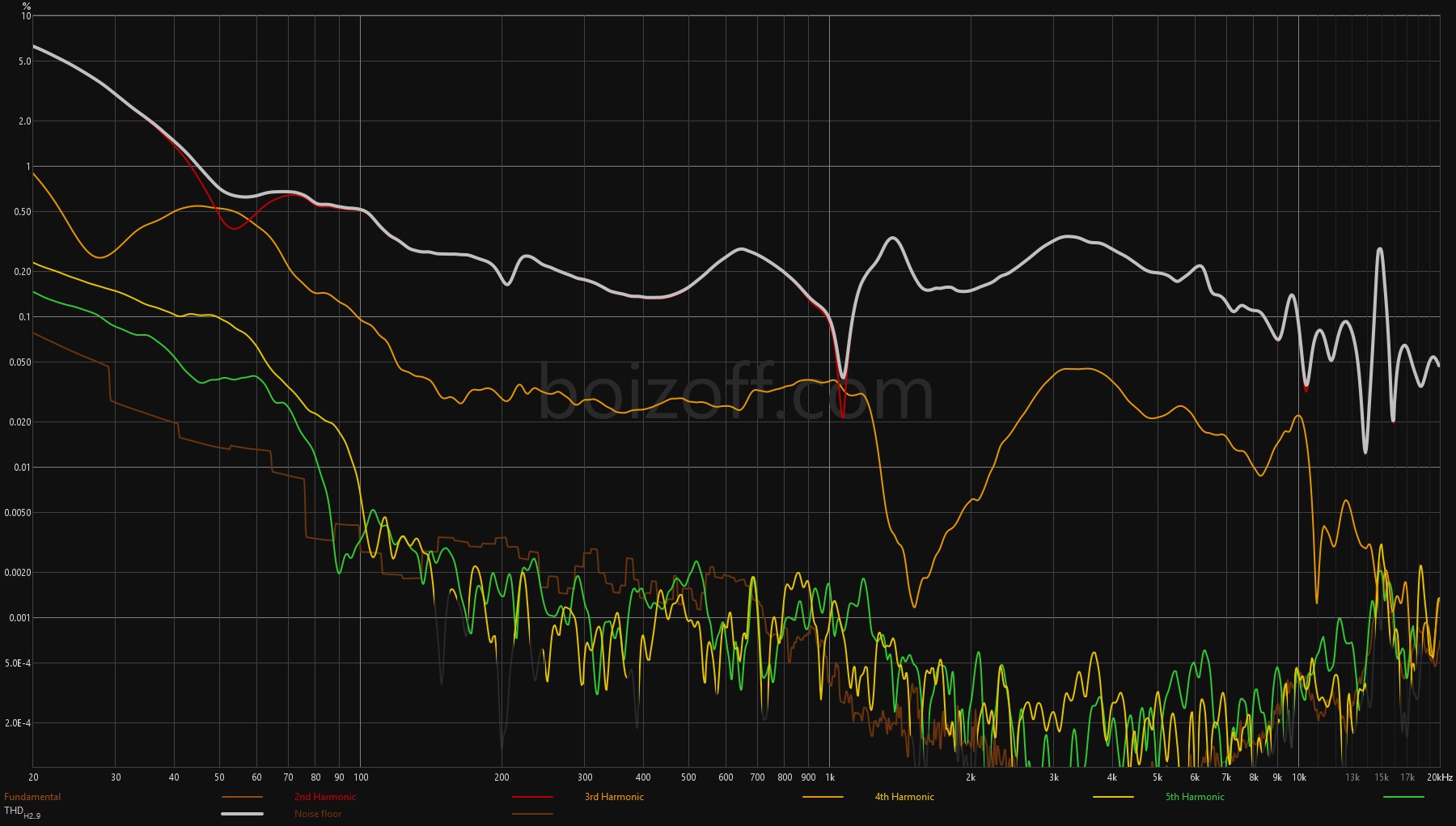
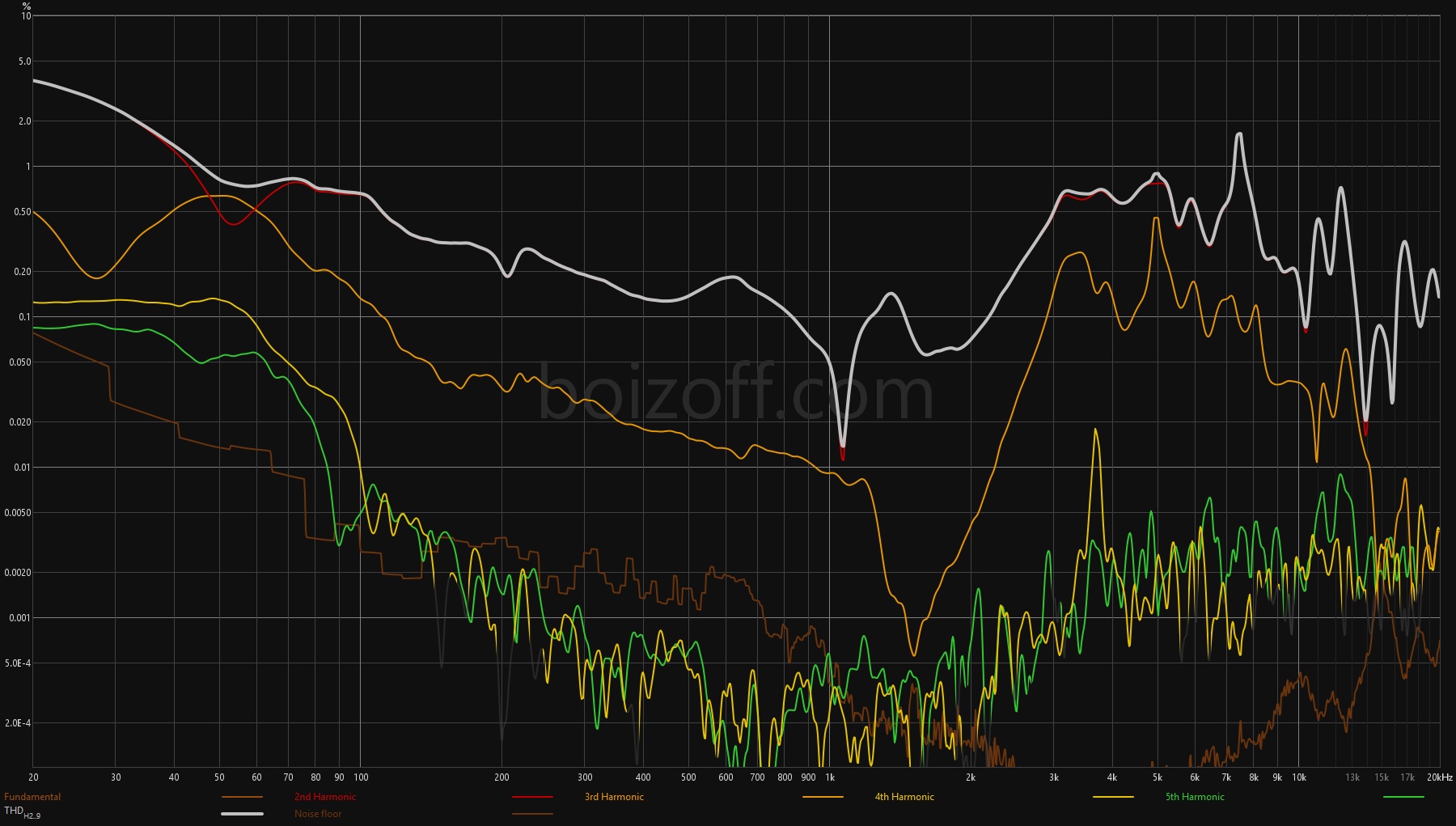
With another 10 dB added, distortion in the lowest frequencies rises beyond 5%, but across the rest of the frequency range it still barely exceeds 1%. The result is excellent. What this means in practice is that even at 94 dB SPL, there’s still enough headroom to boost the sub-bass by 3-4 dB while remaining within 3% distortion.
Phase response, group delay, and spectrogram in the “Burst decay” mode:
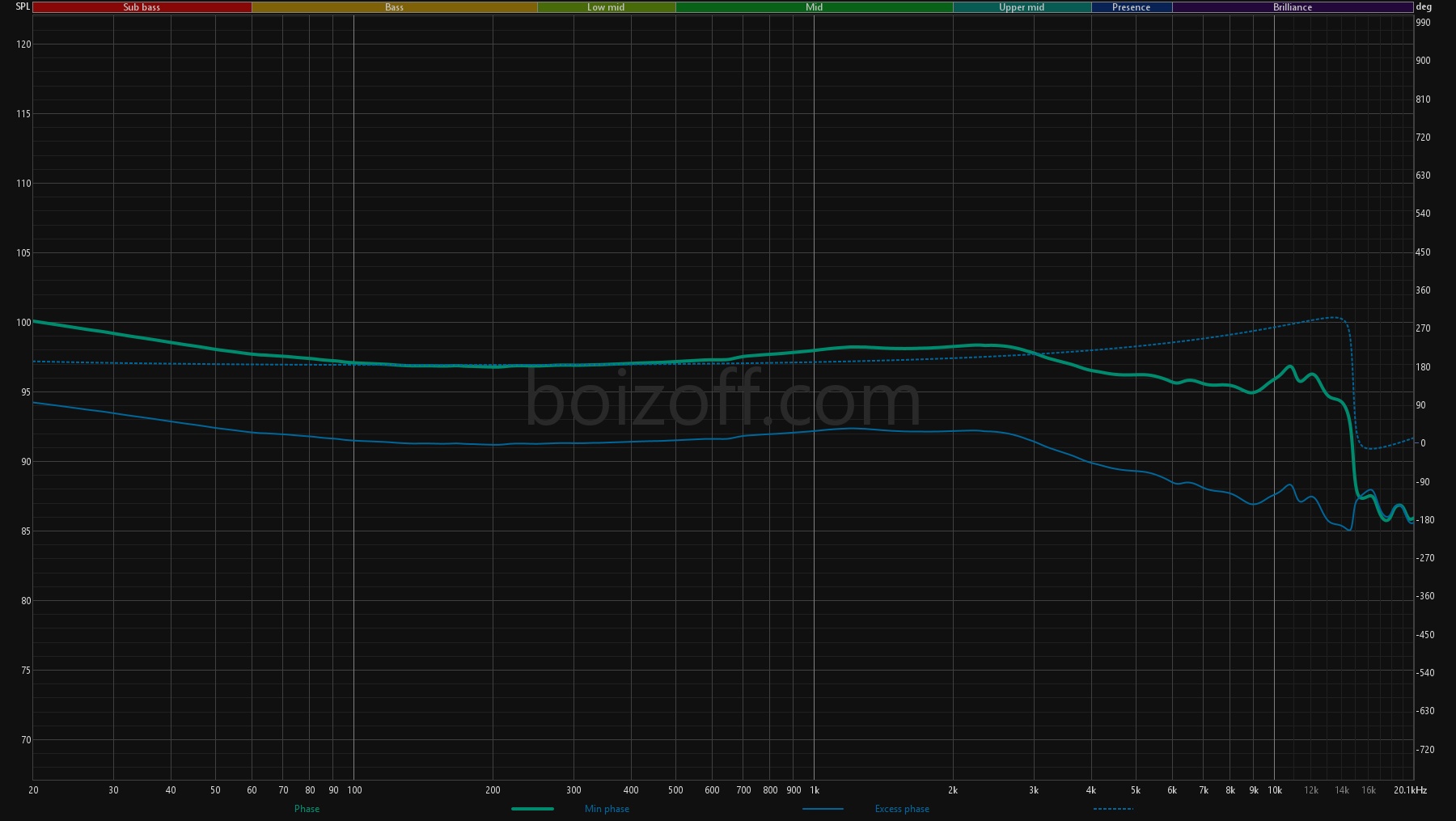
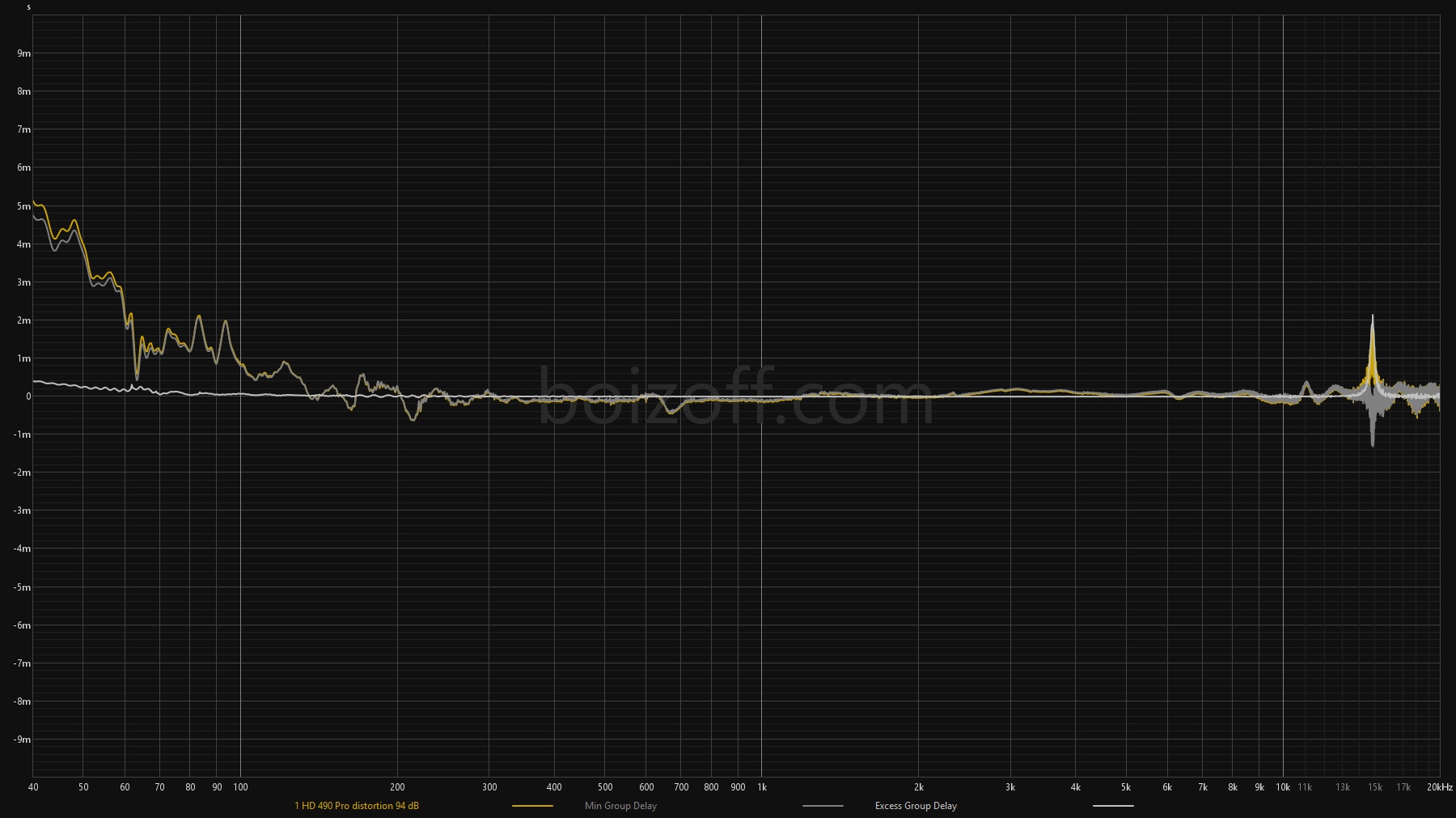
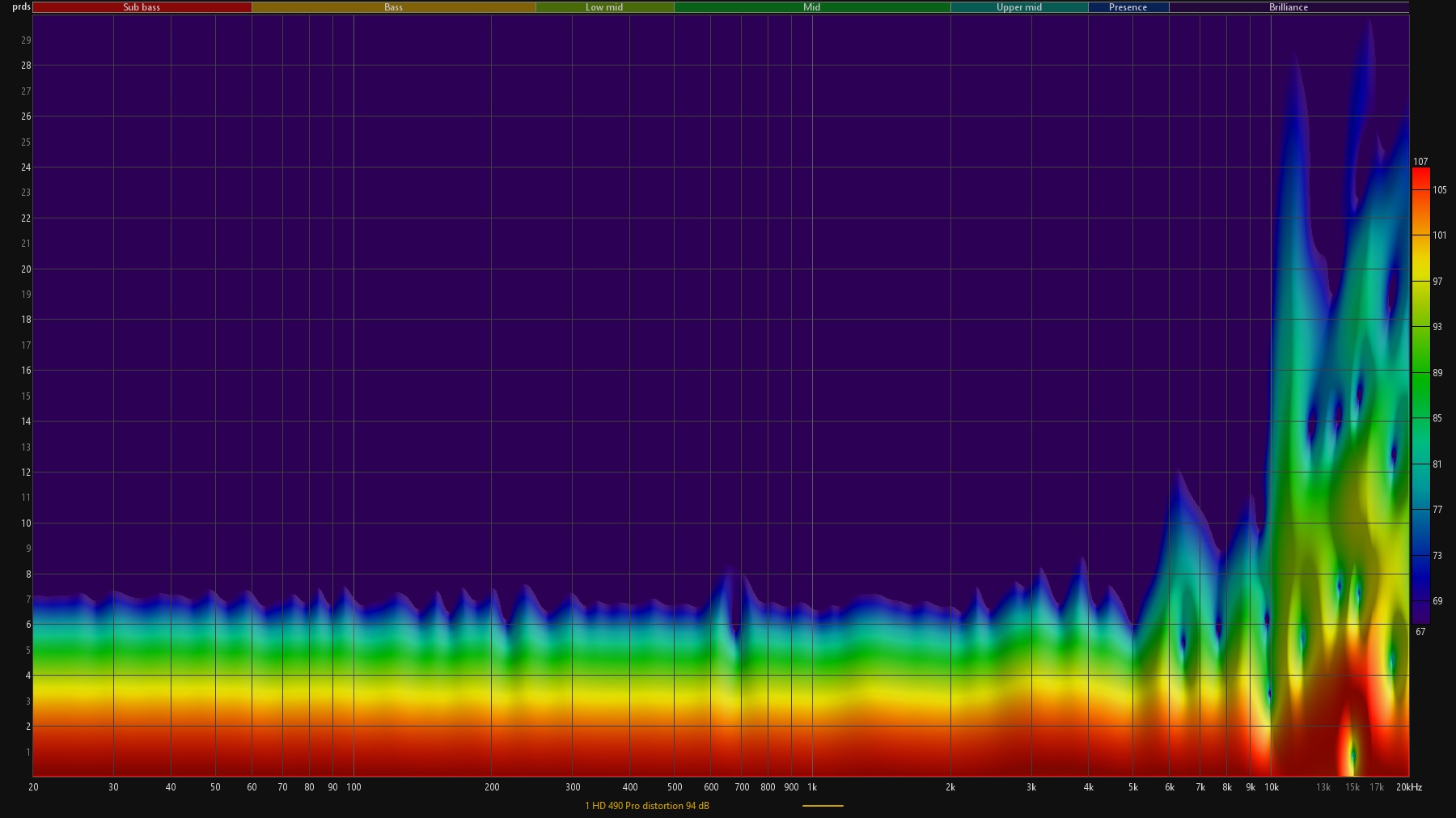
No anomalies are visible in these graphs.
My subjective impressions of the sound.
When headphones come with multiple sets of earpads, it usually doesn’t take long to figure out what’s going on: one set is the “real” one, while the others are included mostly for show, to bulk up the package and create an illusion of choice. The HD 490 Pro are not like that. Both stock earpad sets offer fully realized and genuinely distinct presentations, and I can’t honestly say that one is objectively preferable to the other.
The fabric-covered Mixing Pads deliver an analytical presentation that focuses attention more strongly on the midrange while gently, very carefully, emphasizing the 4-8 kHz region. The sound is neutral, yet anything but boring. It’s exceptionally transparent, detailed, and tonally balanced. Despite its lack of coloration and overall neutrality, it’s a remarkably engaging sound signature. At the same time, the presentation remains forgiving and non-aggressive. For long listening sessions, the sound with the Mixing Pads is the one I would personally choose.
The velour Producing Pads somehow answer the question of “Can we make it a little more fun?” Yes, we can. The low-frequency range becomes fuller and more clearly articulated, the soundstage expands (thanks to the recession around 2 kHz), and the 4-8 kHz region gains additional sparkle. Looking at the measurement graphs, one might assume that the differences between the two pad types are relatively minor, but, as the saying goes, don’t be fooled. The Producing Pads shift the tonal balance and give the HD 490 Pro a kind of exclusive V-shaped character. The sound is still fundamentally neutral, but there’s definitely more bass and treble than strict neutrality would call for. In other words, it remains truthful and natural, but also becomes more entertaining.
At this point there should probably be a discussion of genre preferences, but after nearly 40 hours of listening, the only conclusion I’ve come to is this: the HD 490 Pro are so universally capable with either set of earpads that the choice between them comes down entirely to listener fatigue and mood. As befits truly neutral headphones (like CrinEar Reference), they work equally well with virtually any kind of music.
If there’s one thing the HD 490 Pro can be taxed with, it’s the lack of strongly extended ultra-high frequencies. There’s certainly a sense of air to the presentation, but it feels like there could have been a little more of it. The width of the virtual soundstage is good, though not record-breaking. This is nitpicking, however.
And a few words on EQ:
- Sub-bass correction filter for the Mixing Pads: (PK) F=20, G=6, Q=1;
- Sub-bass correction filter for the Producing Pads: (PK) F=20, G=5.6, Q=0.9 + (PK) F=47, G=-1.6, Q=0.7.
These adjustments affect only the lowest audible frequencies, so the difference will be clearly noticeable on a relatively small selection of tracks. The required gain values will, of course, depend on how well the headphones seal against the head. And with this kind of boost at 20 Hz, it’s probably best not to push the overall listening level beyond 90-92 dB if you want to keep distortion below 3%.
And as for use cases:
- Professional music production: absolutely yes.
- Analytical listening at home, casual enjoyment, and casual gaming: yes, especially with the Producing Pads.
- Competitive gaming: easily. In this case, I’d recommend the Mixing Pads. And a cable with an integrated microphone to complete the setup.
Comparisons
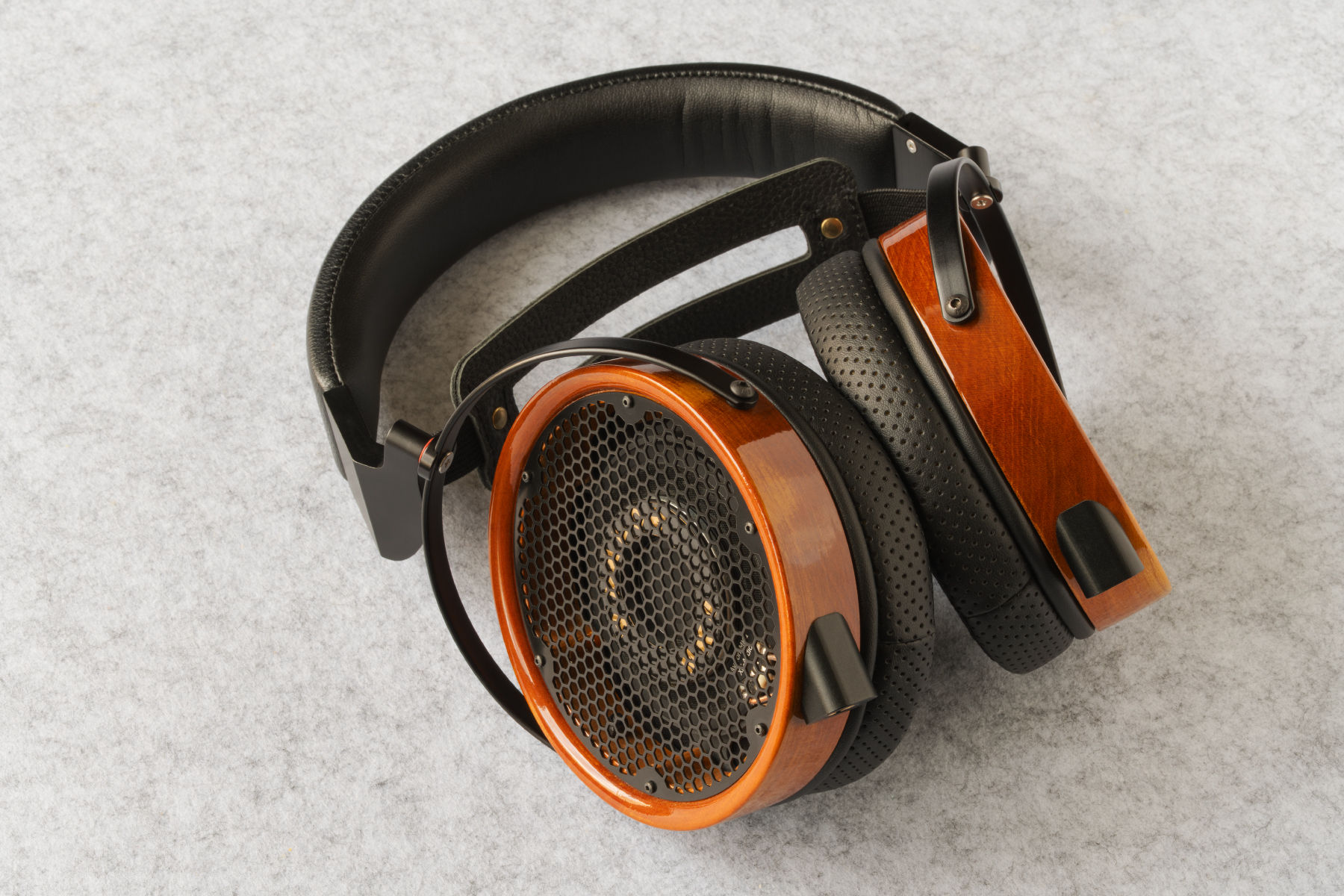
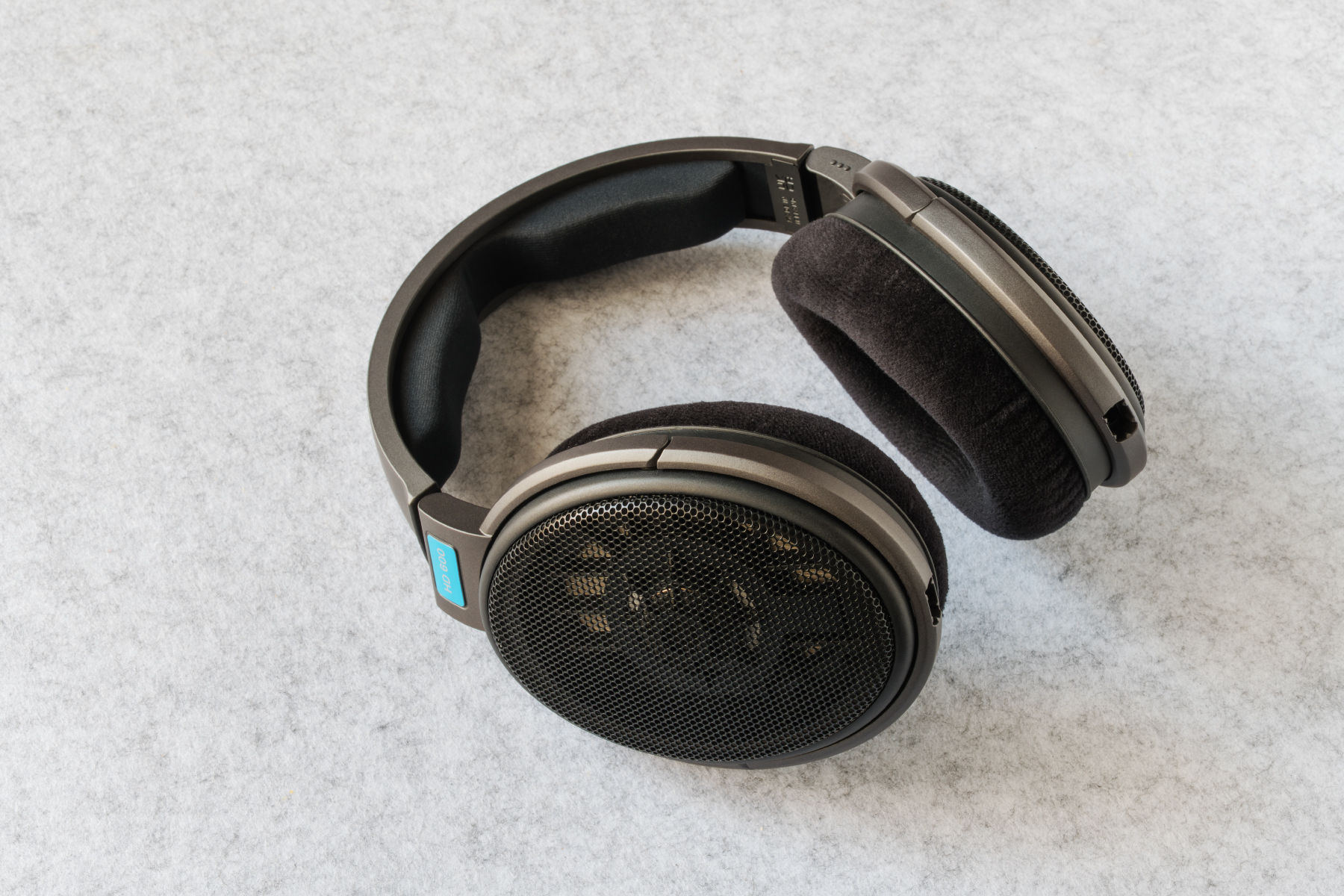
It would, of course, make sense to compare the HD 490 Pro with other headphones in the same price bracket, or with other models tuned to a Diffuse Field target. Unfortunately, comparisons based on memory are unreliable, and among the headphones I currently have on hand, the closest matches are the XK Audio Avalon mk2 and the Sennheiser HD 600.
Frequency response of HD 490 Pro vs. Avalon mk2:
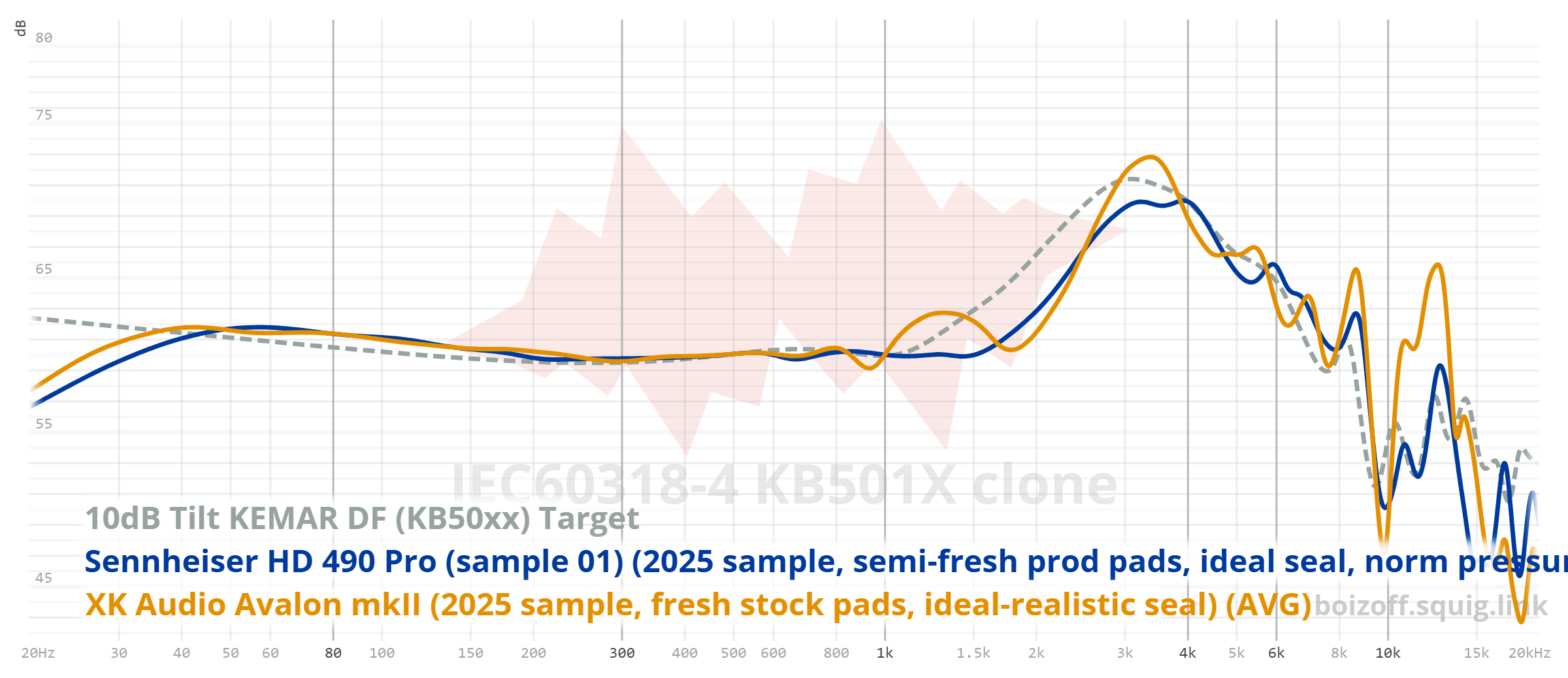
The Avalon are large, heavy (430 g), not particularly comfortable, and not especially well assembled. Their overall presentation is comparable to that of the HD 490 Pro, but the two differ dramatically in several respects. The Avalon sound considerably more airy, spacious, and grand in scale. The downside is that this comes at the cost of sharpness and excessive brightness on a good third of all tracks. The main culprit is the emphasis around 9 kHz and 12.7 kHz. At the same time, the Avalon holdsno advantage over the HD 490 Pro in the deepest bass region. For certain genres, the Avalon can sound absolutely spectacular, while with others they fall flat without reservation. The Sennheiser’s headphones, by contrast, are far more versatile. Their sound is more believable overall, and instrument placement feels more precise and convincing. As for build quality and everyday usability, the comparison is hardly worth making at all. Here, the HD 490 Pro win by a basketball score. And yet, once import duties are taken into account, the Avalon mk2 cost roughly RUB 15,000 more.
Frequency response of HD 490 Pro vs. HD 600:
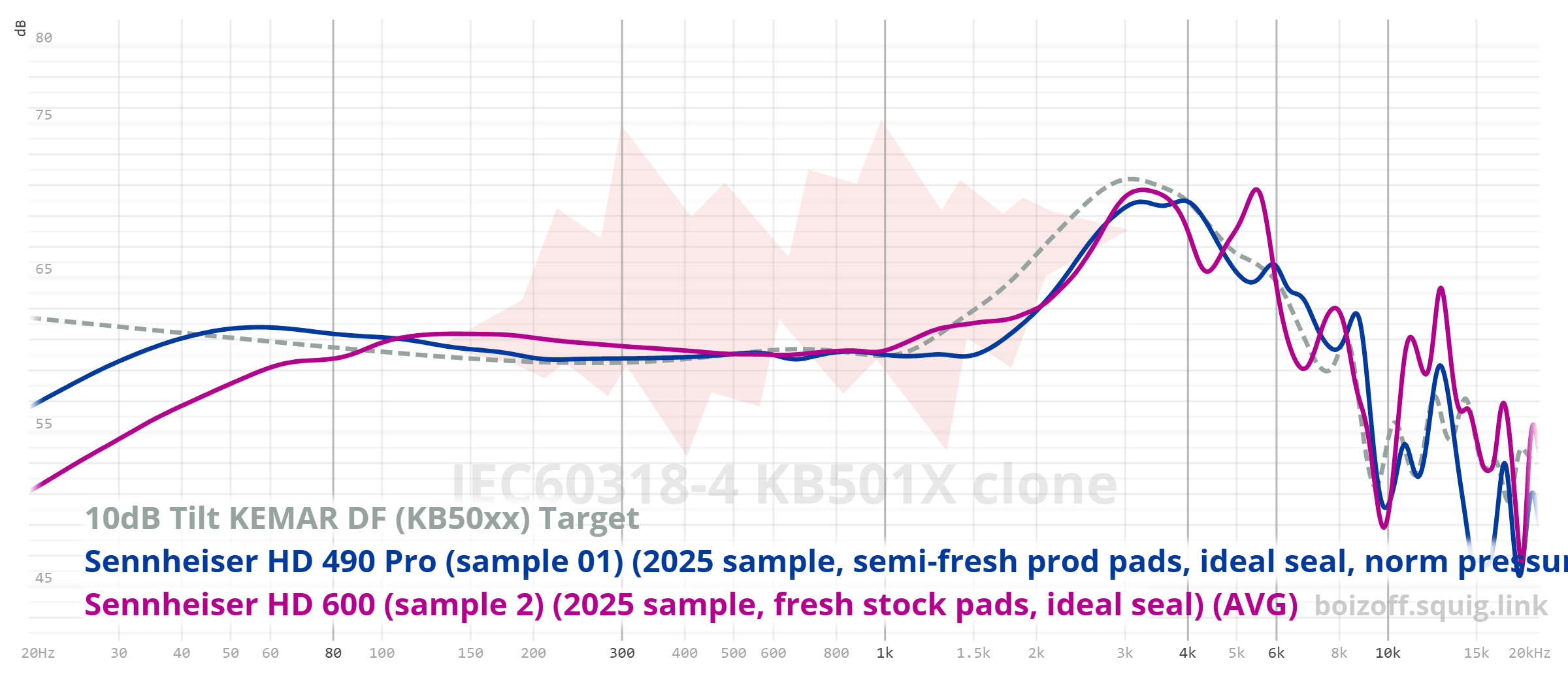
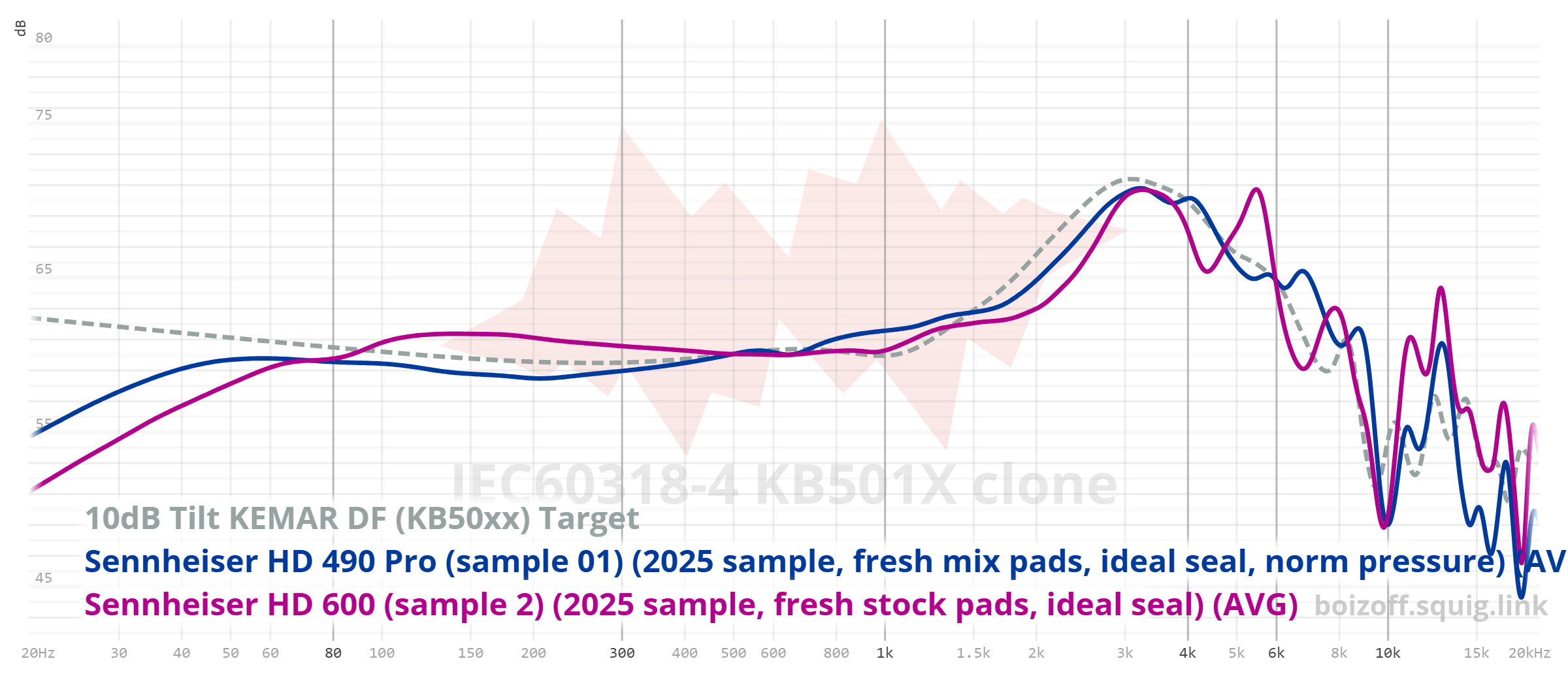
Built around exceptionally expressive and intimately presented mids, the HD 600 are often criticized for their lack of bass weight and their relatively narrow soundstage. The question is whether those traits should be considered shortcomings or simply part of their character. To my ears, the HD 490 Pro simply sound better. Forgive the simplistic description, but that’s the most honest way I can put it. With the Mixing Pads, the sound is wider and fuller, while the midrange is less insistent. With the Producing Pads, the presentation becomes noticeably more fun and engaging. What’s particularly impressive is that, in both cases, the HD 490 Pro maintain their sense of realism. The mids remain expressive and never retreat into the background. That said, the two models also differ significantly in price, with the HD 600 costing roughly half as much.
It would be fascinating to compare the HD 490 Pro directly against the HEDD Audio HEDDphone D1 and the XK Audio Cance Baffle, but unfortunately I don’t have either of those on hand.
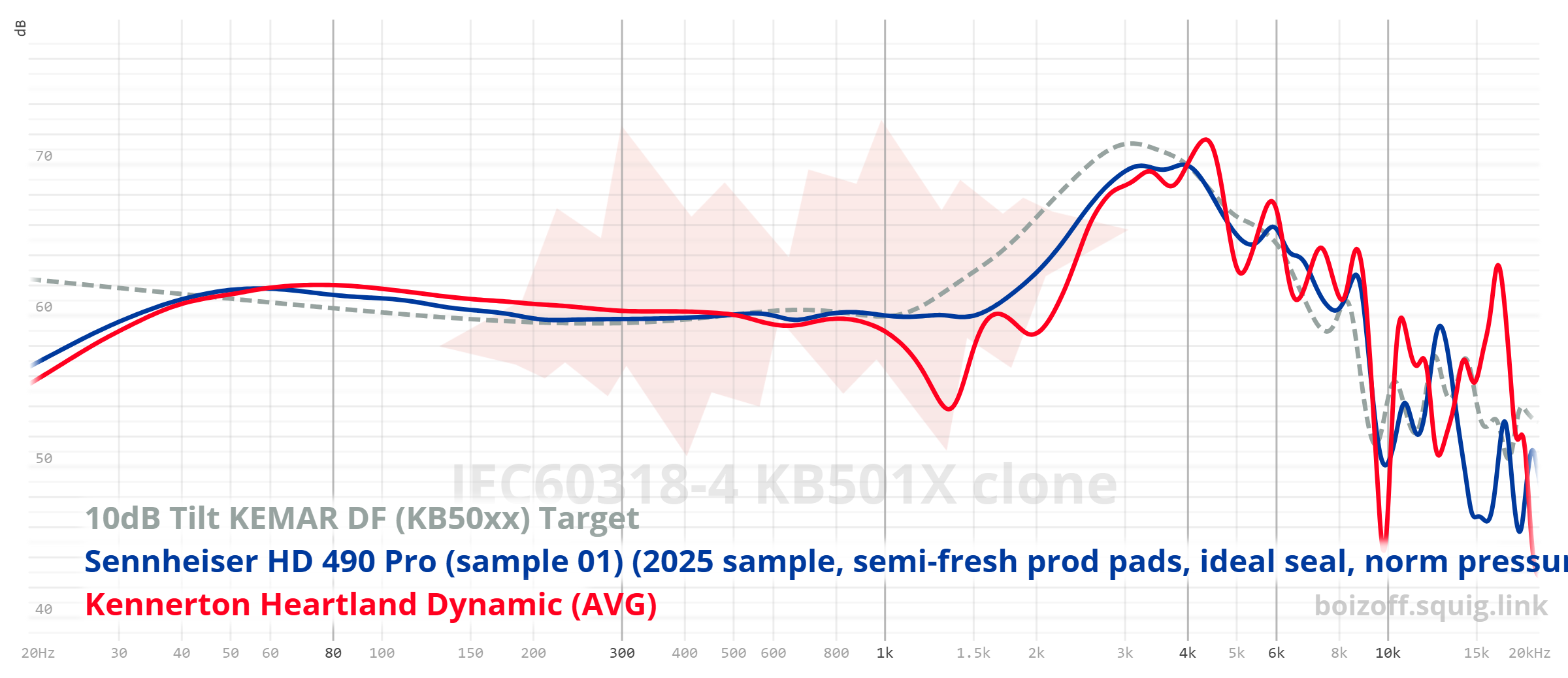
As a side note, I could mention a certain Kennerton model that retails for RUB 170,000:
Summary
It’s rare to come across a pair of headphones that can be wholeheartedly praised for its sound alone, and even then it’s usually with only one specific set of earpads. It’s even rarer to find a model that excels not only sonically, but also in terms of rational design, serviceability, and ergonomics. And only in exceptional cases do headphones prove equally suitable for enjoying music, professional work, and gaming.
The HD 490 Pro are unique because they do all these things well regardless.
For me, they answer the question: “If you could keep only one pair of over-ear headphones, which would it be?” Their sound is that versatile, that believable, and at the same time that engaging.
To buy or not to buy: Buy them with confidence.
Liked the review? Support the reviewer with a donation.
CloudTips | Boosty


